
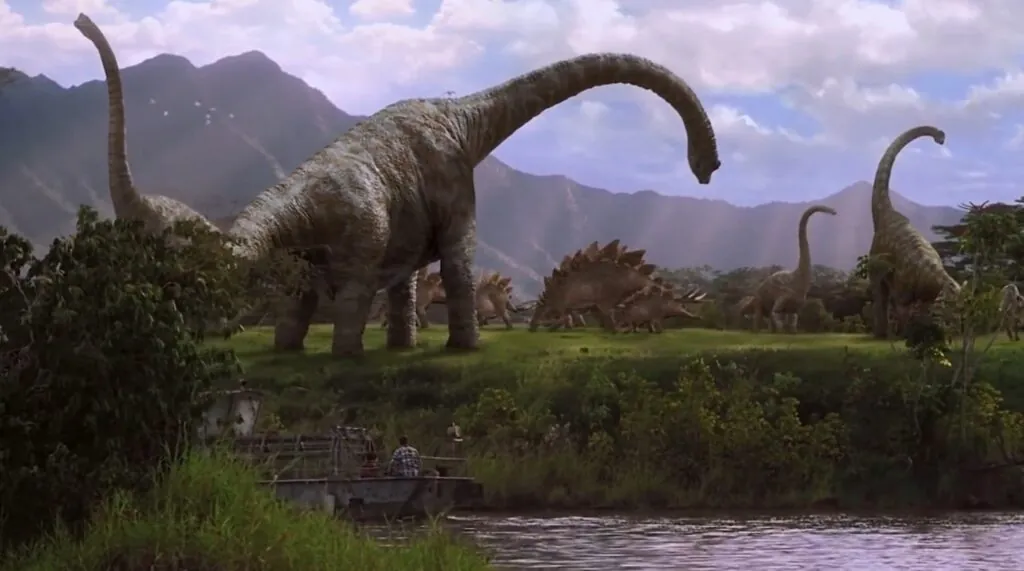
Dinosaurs have long captivated the imaginations of scientists and the public alike, their colossal frames inspiring awe and curiosity. Among these prehistoric titans, the Titanosaurs stand out not only for their sheer size but also for the mysteries surrounding their existence and extinction. This extensive listicle explores the top ten largest dinosaurs, specifically those belonging to the titanic genus of Titanosaurs, shedding light on their fascinating attributes and their incredible adaptations to an ancient world.
1. Argentinosaurus
Regarded as one of the largest known terrestrial animals, Argentinosaurus looms large in paleontological lore. Estimated to have reached lengths of up to 100 feet (30 meters) and weighing as much as 100 tons, this Jurassic behemoth roamed the landscapes of what is now Argentina during the Late Cretaceous period. Characterized by its long neck and massive body, Argentinosaurus likely fed on tree canopies, using its length to access vegetation that fewer competitors could reach. Its sheer bulk suggests that it may have had few natural predators, a notion that reinforces the awe associated with its size.
2. Patagotitan
Close on the heels of Argentinosaurus is Patagotitan, which has emerged as one of the most substantial Titanosaurs. This gargantuan creature, identified through fossil remains in Patagonia, stretches approximately 122 feet (37 meters) and weighed around 69 tons. The sheer scale of Patagotitan raises intriguing questions about the lifestyle and behavior of Titanosaurs, such as their social structures and reproductive strategies, illuminating how size influenced these ancient giants.
3. Dreadnoughtus
The name Dreadnoughtus aptly captures the essence of this massive herbivore, which is estimated to have measured over 85 feet (26 meters) in length. What sets Dreadnoughtus apart is its remarkably well-preserved skeleton, offering insights into how these massive creatures moved and lived. Researchers speculate that its massive weight would have required a robust skeletal structure and an expansive habitat to thrive, which points to the ecological dynamics of its era.
4. Futalognkosaurus
Discoveries made in Argentina introduced Futalognkosaurus to the pantheon of colossal dinosaurs. Estimated to be around 82 feet (25 meters) long, its name translates to “the great warrior lizard,” aptly reflecting its grandeur. Fossil evidence suggests that Futalognkosaurus had long limbs and a relatively shorter neck compared to its size peers, indicating a different feeding strategy that might have relied on browsing lower vegetation rather than towering trees.
5. Alamosaurus
Dominating the late Cretaceous landscapes of North America, Alamosaurus is notable for being one of the last Titanosaurs to exist before the mass extinction event. Measuring about 100 feet (30 meters) long, this giant remains one of the most significant finds in the rich fossil beds of New Mexico. Alamosaurus’s adaptations to its environment provide a deep well of insights into the evolutionary pressures faced by Titanosaurs, drawing interest from paleontologists eager to understand extinction patterns.
6. Mendozasaurus
Worthy of its mention alongside the titanic peers, Mendozasaurus reached lengths up to 70 feet (21 meters). Despite its comparatively smaller size, this dinosaur plays an essential role in understanding the diversity of Titanosaurs. Found in Mendoza Province, Argentina, Mendozasaurus reflects the evolutionary adaptability of these behemoths, illustrating how they could vary to exploit different ecological niches while coexisting with other gigantic species.
7. Brontosaurus
Though long debated within the scientific community, the Brontosaurus re-entered popular nomenclature thanks to new discoveries and reinterpretations of prior findings. Reaching lengths of approximately 75 feet (23 meters), this sauropod is emblematic of the classic dinosaur image, with its long neck and tail. Its resurgence underscores the malleability of scientific classification and how our understanding of these magnificent creatures evolves as new fossils come to light.
8. Apatosaurus
Similar in stature to the Brontosaurus, Apatosaurus was another giant sauropod that roamed the North American landscapes around 150 million years ago. Measuring roughly 75 feet (23 meters), it is often noted for its robust physique and distinctive long neck. The fossil record implies that, like other Titanosaurs, Apatosaurus likely traveled in herds, a behavior that could have provided advantages in terms of protection against predation.
9. Seismosaurus
Seismosaurus is another magnificent example of the Titanosaur lineage, with estimates placing it at lengths exceeding 100 feet (30 meters). Initially thought to be a member of the larger Jurassic sauropod clan, further studies revealed this creature’s unique adaptations, such as an elongated neck designed for high browsing. Every find associated with Seismosaurus fosters greater understanding of how these massive creatures adapted to the changing environments of their time.
10. Supersaurus
Concluding our list is Supersaurus, which measures an impressive 105 feet (32 meters) long, placing it among the longest dinosaurs known to science. The elongated nature and build of Supersaurus suggest an efficient feeding strategy that allowed it to thrive in the lush vegetation of its habitats. Its remarkable length and build provoke admiration and contemplation, serving as a reminder of the wondrous complexity inherent in the natural world.
From their gargantuan sizes to the enigmatic aspects of their behavior, Titanosaurs represent a remarkable chapter in the story of Earth’s prehistoric past. The fascination with these colossal creatures goes beyond mere size; it touches upon an innate human curiosity about nature, survival, and the intricate tapestry of life on our planet. As scientists continue to unearth new discoveries and reinterpret existing findings, the saga of the Titanosaurs—and their amazing resilience—remains one of the most riveting narratives in paleontology.







Leave a Comment