
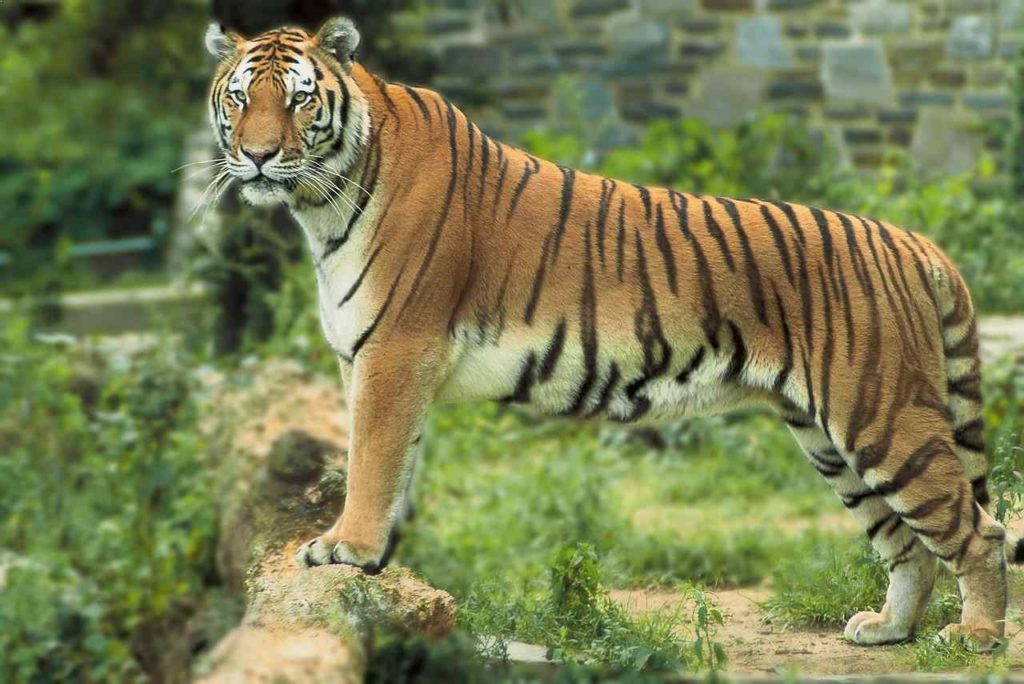
On a planet teeming with biodiversity, the confluence of size and predatory prowess creates a fascinating panorama of life. The world’s biggest creatures and apex predators command the ecosystem, each playing an indispensable role in maintaining balance. This article delves into the top ten titans of the natural world, exploring their characteristics, habitats, and impact on their respective ecosystems.
1. Blue Whale (Balaenoptera musculus)
The blue whale, the leviathan of the oceans, reigns as the largest creature to have ever inhabited the Earth. Reaching lengths of up to 100 feet and weighing as much as 200 tons, this marine mammal is an awe-inspiring embodiment of size. Blue whales glide through the oceanic expanse, primarily subsisting on krill, filter-feeding through their baleen plates. Their haunting, low-frequency calls can traverse vast distances, creating a rich tapestry of communication beneath the waves.
2. African Elephant (Loxodonta africana)
The African elephant is the largest terrestrial animal, with males weighing up to 12,000 pounds. Their massive ears, resembling fans, help regulate body temperature, while their tusks serve both as tools and weapons. Elephants are not merely behemoths; they are highly intelligent social beings, exhibiting complex emotional behaviors and deep familial bonds. These herbivorous giants play a critical role in shaping their habitat, affecting vegetation distribution and fostering biodiversity.
3. Giraffe (Giraffa camelopardalis)
Giraffes, with their iconic elongated necks and towering stature, can reach heights of up to 18 feet. These gentle herbivores are uniquely adapted to browse foliage high in the treetops, primarily feasting on acacia leaves. Despite their majestic form, giraffes face threats from habitat loss and poaching. Their extraordinary ability to run at speeds of up to 37 miles per hour further enables their survival against threats, making them fascinating subjects of study in the animal kingdom.
4. Saltwater Crocodile (Crocodylus porosus)
The saltwater crocodile holds the title of the largest living reptile, with individuals measuring over 20 feet in length. These formidable apex predators possess unparalleled strength and agility, allowing them to ambush prey with devastating efficiency. Their expansive range, from brackish lagoons to rivers, demonstrates their adaptability. With powerful jaws capable of exerting immense pressure, the saltwater crocodile is an embodiment of primal predation.
5. Great White Shark (Carcharodon carcharias)
The great white shark reigns supreme in the marine food chain, epitomizing the archetype of a fearless predator. Reaching lengths of up to 20 feet and weighing over 2,000 pounds, they are masterful hunters, equipped with keen senses to detect even the faintest vibrations in the water. Their conical snouts and rows of serrated teeth are designed for efficiency in catching a variety of prey, including seals and fish. The great white’s complex hunting strategies—including breaching—underscore its evolutionary adaptations.
6. Kodiak Bear (Ursus arctos middendorffi)
The Kodiak bear, one of the largest subspecies of the brown bear, can weigh as much as 1,500 pounds and stand over 10 feet tall when on their hind legs. These omnivorous giants feast primarily on salmon during spawning seasons, employing their remarkable sense of smell to locate food. Kodiak bears are powerful and agile, capable of sprinting at remarkable speeds, even with their bulk. Their role in the alimentary web as both predator and scavenger is vital for ecological health.
7. Sperm Whale (Physeter macrocephalus)
With males reaching lengths of 60 feet and weights up to 45 tons, sperm whales are the largest toothed predators on Earth. Their unique social structures, often involving matriarchal pods, provide insight into their complex behavior. Sperm whales dive to profound depths exceeding 3,000 feet in search of squid, showcasing their extraordinary adaptations, such as echolocation. Their vocalizations consist of a rich array of clicks and codas, whose purpose is only partially understood, revealing the depths of their social lives.
8. Komodo Dragon (Varanus komodoensis)
The komodo dragon, the largest living lizard, measures up to 10 feet in length and possesses a venomous bite. Found exclusively on a few Indonesian islands, these formidable predators hunt large ungulates, showcasing strategic ambush tactics. Their saliva contains a cocktail of bacteria and venom, which can incapacitate prey. As apex predators in their ecosystem, komodo dragons play a crucial role in maintaining the health of their environment.
9. Bald Eagle (Haliaeetus leucocephalus)
The bald eagle, a national symbol of the United States, is an avian apex predator revered for its impressive wingspan of up to seven feet. With sharp talons and keen eyesight, these birds of prey target fish and small mammals, flying at high altitudes to survey their territory. Following a near-extinction due to habitat destruction and pesticide use, conservation efforts have allowed their populations to rebound, affirming their status as formidable hunters.
10. Grey Wolf (Canis lupus)
As the largest member of the canine family, the grey wolf epitomizes sociability and intelligence in the animal kingdom. Weighing between 50 to 110 pounds, these apex predators are vital to maintaining the ecological balance through their role as top hunters. Their packs, characterized by complex social structures, display cooperative hunting strategies, showcasing their adaptability and communication skills. The revitalization of wolf populations has proven instrumental in restoring the health of ecosystems disturbed by overpopulation of grazers.
These majestic creatures, each a testament to nature’s extraordinary design, reflect the intricate tapestry of life on Earth. Understanding their roles not only enriches our knowledge of biodiversity but also underscores our responsibility to protect and conserve the habitats that sustain them.







Leave a Comment