
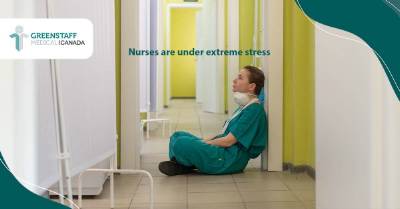
Nursing is an indispensable pillar of the healthcare system, characterized by its commitment to patient care, advocacy, and the relentless pursuit of improving health outcomes. As the healthcare landscape evolves, nurses face a plethora of challenges that not only test their resilience but also shape the future of this revered profession. Below, we explore the ten most formidable obstacles prevalent in nursing today.
1. Staffing Shortages
One of the most pressing issues plaguing the nursing profession is the pervasive shortage of qualified staff. With an aging population and an increasing prevalence of chronic illnesses, the demand for nurses has surged dramatically. This shortage results in overwhelming workloads for existing nurses, compromising patient care quality and escalating the risk of burnout. High turnover rates further exacerbate this issue, creating a cyclical pattern that hampers healthcare delivery.
2. Burnout and Mental Health Struggles
The relentless pace of work, compounded by emotional labor and exposure to traumatic experiences, renders nurses particularly vulnerable to burnout. Mental health struggles among nurses have reached alarming rates, prompting calls for systemic changes in workplace culture and support systems. The stigma surrounding mental health often prevents nurses from seeking the necessary help, resulting in a silent epidemic that threatens both their well-being and patient care quality.
3. Technological Advancements
While technology has the potential to revolutionize healthcare, it also presents significant challenges for nursing professionals. The rapid integration of sophisticated electronic health record (EHR) systems and telehealth platforms requires nurses to continually adapt and hone their technical skills. This can lead to frustration, particularly among those who may be less familiar with technology, highlighting a need for robust training programs that empower nurses rather than alienate them.
4. Policy and Regulatory Changes
The nursing profession is often subject to shifting regulatory frameworks and policy mandates, which can create a precarious working environment. Frequent changes in healthcare laws impact staffing ratios, reimbursement models, and scope of practice regulations. Navigating this convoluted landscape is essential for nurses to advocate effectively for their patients, yet it demands constant vigilance and adaptability.
5. Patient Advocacy and Ethical Dilemmas
As patient advocates, nurses often find themselves at the forefront of ethical dilemmas, particularly when patient autonomy intersects with institutional policies and resource limitations. Balancing the ethical imperatives of care against operational mandates can lead to significant moral distress. Nurses must cultivate robust ethical frameworks and engage in open dialogues to address these conflicts, ensuring that patient welfare remains paramount.
6. Diverse Patient Populations
The healthcare landscape reflects a tapestry of diverse patient populations, each with unique cultural, linguistic, and socioeconomic backgrounds. Nurses are increasingly tasked with transcending these barriers to provide equitable care. This necessitates not only cultural competence but also an understanding of social determinants of health that impact patients’ access to care. Investing in diversity training and resources is crucial for addressing these disparities effectively.
7. Work Environment and Safety Concerns
The physical safety of nurses is an ever-present concern, particularly in high-stress environments such as emergency rooms and behavioral health units. Workplace violence, exposure to infectious diseases, and ergonomic hazards are notable risks that can compromise nurse safety. Establishing a culture of safety, wherein nurses feel supported to voice concerns and implement preventative measures, is essential for fostering a healthier work environment.
8. Continuing Education and Professional Development
In an era where medical knowledge and practices evolve at breakneck speed, the imperative for continuing education in nursing is undeniable. However, the time and resources required for professional development often conflict with demanding work schedules. Nurses must advocate for institutional support, including tuition assistance and flexible scheduling, to facilitate lifelong learning and enhance clinical competencies.
9. The Opioid Crisis and Substance Use Disorders
The opioid epidemic represents a profound challenge for nurses, who are frequently on the frontline of addressing substance use disorders. Knowledge of pain management, addiction, and harm reduction strategies must be ingrained in nursing curricula to prepare future nurses effectively. Furthermore, continual professional development is necessary to equip existing nurses with the skills to navigate this complex public health challenge.
10. The Role of Nursing in Public Health
Finally, nurses play a pivotal role in shaping public health initiatives, yet their involvement is often underappreciated. The nursing profession must advocate for more prominent roles in policy-making to influence public health strategies effectively. By leveraging their clinical expertise and firsthand experiences, nurses can contribute significantly to addressing broader health disparities within communities.
In conclusion, nursing today is fraught with challenges that require a multifaceted approach to change. Addressing staffing shortages, supporting mental health, enhancing technological competence, and advocating for policy reform are essential steps toward mitigating these barriers. As the guardians of patient care, nurses must unite, fostering a collaborative spirit that empowers them to navigate these complexities and continue providing exceptional care in an ever-evolving healthcare landscape.







Leave a Comment