
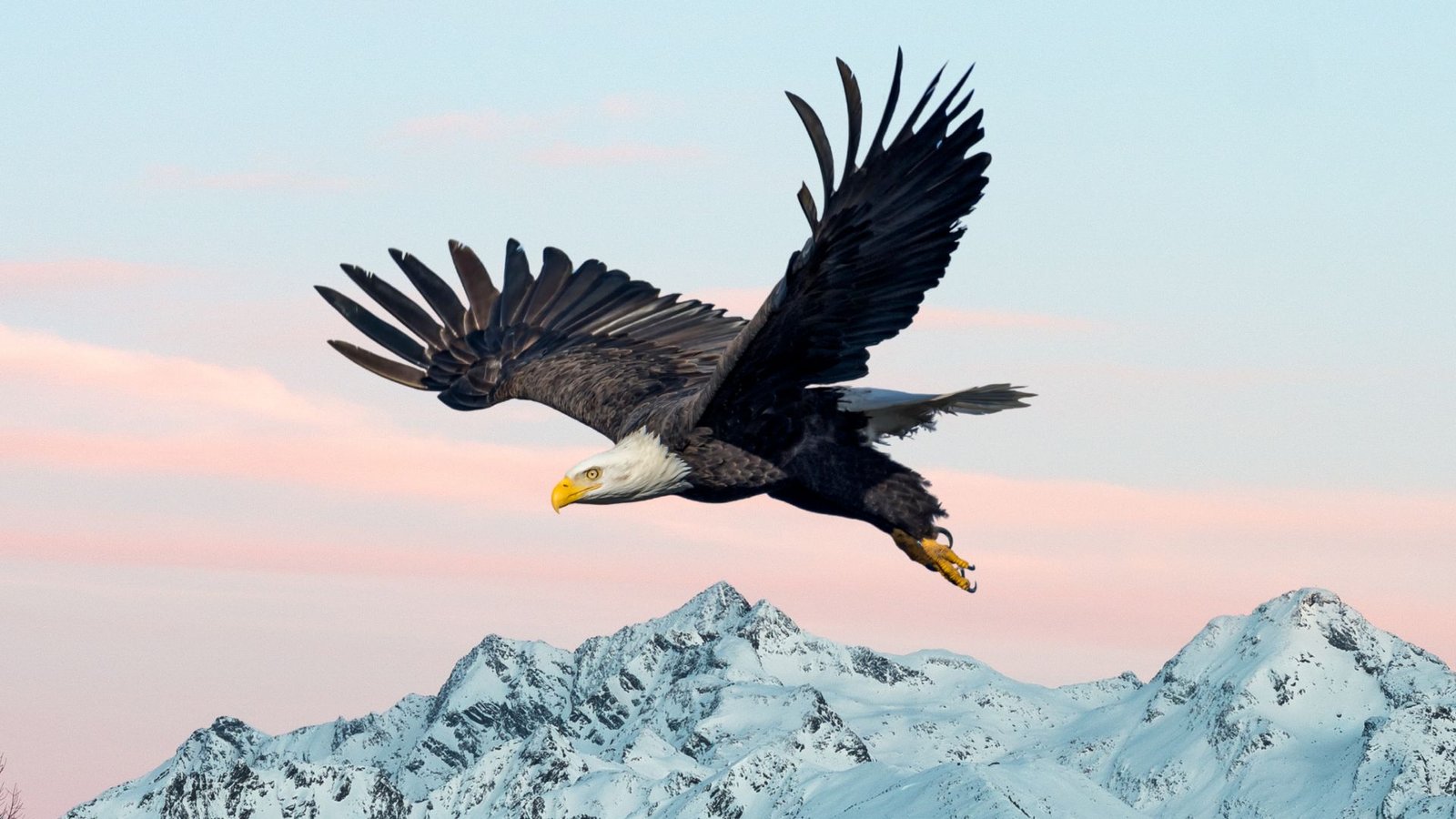
Birds possess an enchanting presence, captivating the hearts of many with their vibrant plumage, melodious calls, and astonishing agility. Yet, have you ever pondered what it would be like to witness some of the biggest avian wonders soaring through the sky or strutting on the ground? This inquiry leads us to a fascinating exploration of the top ten biggest birds and flying birds in the world. However, a playful challenge lies ahead: Can you name these magnificent creatures before diving into their intriguing profiles?
Let’s embark on this ornithological journey and discover some of the world’s most impressive birds, both in size and in flight!
1. Common Ostrich (Struthio camelus)
The common ostrich reigns supreme as the largest bird on the planet, reaching heights of up to 9 feet (2.7 meters) and weighing in at a staggering 300 pounds (136 kilograms). Native to the African savanna, these colossal birds are flightless, yet their long legs allow them to sprint at astonishing speeds of up to 45 miles per hour (72 km/h). With their large eyes that provide excellent vision, ostriches are equally adept at spotting predators and navigating their vast environments. Their unique ability to survive in arid habitats has rendered them fascinating subjects of study.
2. Cassowary (Casuarius)
Next in line is the cassowary, often dubbed the world’s most dangerous bird. Found in New Guinea and surrounding islands, this flightless avian giant can grow up to 6 feet (1.8 meters) tall and weigh about 130 pounds (60 kg). Characterized by its striking blue and black plumage, the cassowary possesses a formidable casque atop its head and powerful legs capable of delivering lethal kicks. Despite its fearsome reputation, the cassowary plays a crucial role in the ecosystem, dispersing seeds and maintaining the health of its rainforest habitat.
3. Emu (Dromaius novaehollandiae)
Australia’s emblematic bird, the emu, presents an amalgamation of grace and awkwardness. Standing around 6.5 feet (2 meters) tall and weighing between 50 to 130 pounds (23 to 59 kg), these flightless marvels are renowned for their long necks and legs, which allow them to cover great distances in search of food. The emu’s curious demeanor and protective nature make it a fascinating creature to observe, especially when raising its young. Moreover, emus have been a significant aspect of Aboriginal culture for centuries, symbolizing resilience and adaptability.
4. Andean Condor (Vultur gryphus)
Transitioning to the skies, the Andean condor is among the largest flying birds, boasting an impressive wingspan of up to 10.5 feet (3.2 meters). This magnificent scavenger glides effortlessly through the mountainous terrains of South America, utilizing thermal updrafts to conserve energy. Weighing up to 33 pounds (15 kg), the Andean condor primarily feeds on carrion and plays a pivotal role in maintaining ecological balance. Its majestic appearance and soaring flight are hauntingly beautiful, embodying freedom in its purest form.
5. Wandering Albatross (Diomedea exulans)
Another spectacular flying bird, the wandering albatross, boasts the longest wingspan of any living bird, reaching up to 12 feet (3.6 meters). These magnificent aviators traverse vast stretches of ocean, exhibiting incredible endurance as they can fly for hours without flapping their wings. Their impressive wingspan, coupled with their ability to soar on ocean winds, makes them some of the most efficient travelers. Witnessing a wandering albatross gliding across the waves is a breathtaking spectacle that evokes a sense of wanderlust and freedom.
6. Greater Rhea (Rhea americana)
The greater rhea, often found roaming the grasslands of South America, is an intriguing flightless bird that can reach heights of 5.5 feet (1.7 meters) and weigh up to 110 pounds (50 kg). Their graceful appearance, characterized by elongated necks and long legs, allows these birds to sprint in short bursts. Though they lack the ability to fly, they display curious behaviors while foraging for seeds and insects. The greater rhea is often found in loose flocks, showcasing their social nature as they engage in amusing antics among themselves.
7. Kori Bustard (Ardeotis kori)
Regarded as the heaviest flying bird, the kori bustard can tip the scales at approximately 40 pounds (18 kg). Found across African savannas, this massive bird stands tall at 3.3 feet (1 meter) and is known for its spectacular courtship displays. Males often engage in impressive puffing displays, showcasing their elaborate feathers. While the kori bustard possesses the ability to fly, it prefers to roam the ground, relying on its strong legs to navigate its habitat.
8. African Grey Parrot (Psittacus erithacus)
On the other end of the size spectrum, the African grey parrot, though small in comparison to the giants listed above, is celebrated for its exceptional intelligence and remarkable ability to mimic human speech. It measures approximately 12 to 14 inches (30-35 cm) in length and weighs around 13 ounces (375 grams). Native to the rainforests of Africa, these birds exhibit vivid grey plumage and striking red tail feathers. Their social nature and cognitive prowess make them popular companions, captivating avian enthusiasts around the globe.
9. Harpy Eagle (Harpagornis harpyja)
The harpy eagle, one of the largest and most powerful eagles, showcases a wingspan of 4.9 to 7.4 feet (1.5 to 2.3 meters). Found in tropical rainforests of Central and South America, this formidable predator primarily preys on monkeys and sloths. With its striking appearance—prominent crests and formidable talons—the harpy eagle embodies both beauty and ferocity. Its ability to navigate dense forests and capture agile prey exemplifies the wonders of evolution in avian life.
10. Secretary Bird (Sagittarius serpentarius)
The secretary bird, an intriguing raptor native to sub-Saharan Africa, stands out with its long legs and unique hunting style. Measuring around 4 feet (1.2 meters) tall, it is renowned for its ability to hunt snakes with remarkable finesse. The secretary bird’s long, elegant tail and distinctive plumage render it a striking figure amidst the savanna. Its quirky demeanor and adept hunting skills invite admiration and curiosity alike, making it a true avian wonder.
In conclusion, the avian world is a tapestry of diversity, ranging from the towering ostrich to the elegant wandering albatross. Exploring these colossal and soaring birds presents an opportunity to appreciate their unique adaptations, roles in ecosystems, and the breathtaking beauty they bring to our planet. As you ponder whether you can name them all, consider this: how many of these incredible birds have you encountered or wish to see in their natural habitats? The challenge lies in not just identifying them but also in cherishing the marvels of avian life that fill our skies and landscapes.







Leave a Comment