
When contemplating the grandeur of nature, one might marvel at the colossal forms that inhabit our planet. Have you ever wondered which creatures truly reign as the giants of the animal kingdom? What if you were to encounter a blue whale in the depths of the ocean or stand next to a towering elephant on the savanna? Today, we delve into the intriguing comparison between the largest marine mammal, the blue whale, and the largest land mammal, the African elephant. As we explore the top ten largest animals in the world, prepare to confront an astonishing challenge: can you think of any other animals that could rival these titans in terms of sheer size?
1. Blue Whale: The Marine Colossus
The blue whale (Balaenoptera musculus) is not only the largest animal alive today; it is the largest animal known to have ever existed. These majestic marine mammals can reach lengths up to 100 feet and weigh as much as 200 tons. Imagine the enormity of a creature that could be equivalent to three school buses in length! Their sheer bulk is complemented by an incredible heart that can weigh as much as a small car, all servicing its massive frame while propelling it through the vast oceans.
2. African Elephant: The Land Giant
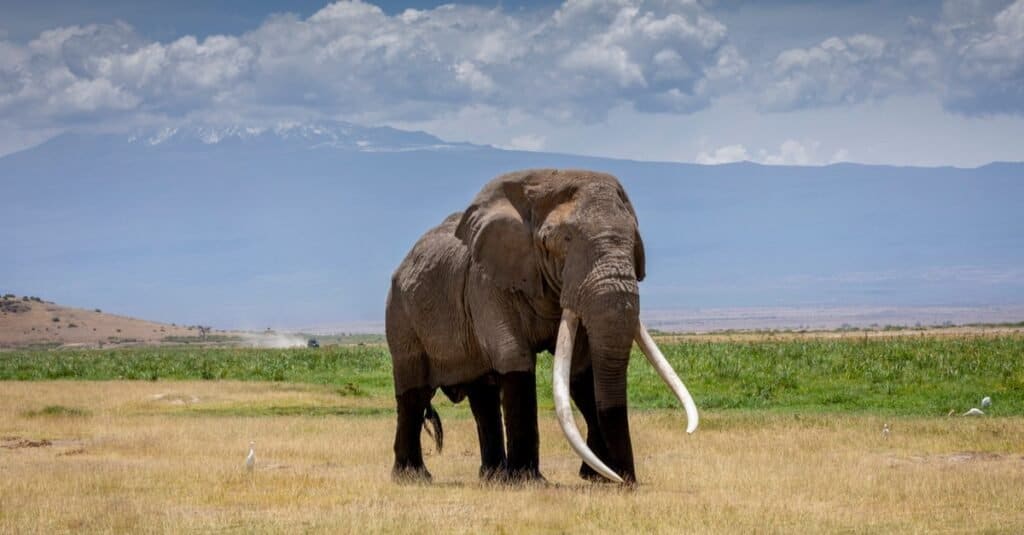
On solid ground, the African elephant (Loxodonta africana) claims its title as the largest land mammal. Adult males can tower up to 13 feet at the shoulder and weigh up to 12 tons. These elephants are distinguished by their large ears, which not only provide excellent hearing but also function as radiators to regulate body temperature. As they forage through the savannah, their trunks—versatile appendages used for grasping, feeding, and social interaction—highlight both their strength and dexterity.
3. Fin Whale: The Long and Lean
Fin whales (Balaenoptera physalus) are the second-largest creatures on Earth, reaching lengths of approximately 85 feet. With a streamlined body built for speed, they may appear less massive than their blue counterparts but can weigh up to 80 tons. Fin whales are often dubbed the “greyhounds of the sea” due to their graceful swimming abilities, allowing them to navigate the ocean with breathtaking agility.
4. Sperm Whale: The Deep Diver
While the blue whale may hold the record for size, the sperm whale (Physeter macrocephalus) boasts the title of the largest toothed predator. Males can grow to about 60 feet long and weigh up to 45 tons. Their enormous heads, which make up about one-third of their body length, contain a substance called spermaceti. This rich, waxy oil has puzzled scientists for decades, leading to theories about its role in buoyancy and echolocation.
5. Bowhead Whale: The Arctic Nomad
Bowhead whales (Balaena mysticetus) are noteworthy for their remarkable adaptations to cold waters. They can exceed lengths of 66 feet and weigh around 75 tons. Their thick blubber, measuring up to 18 inches, not only provides insulation against frigid temperatures but enhances their buoyancy. These gentle giants are also known for their longevity, with some individuals living over 200 years—a testament to their resilience against the harsh Arctic environment.
6. Northern Right Whale: The Rare Behemoth
Exceeding lengths of 50 feet and weighing up to 70 tons, the northern right whale (Eubalaena glacialis) is critically endangered. With an estimated population of fewer than 350 individuals, the stories of their gigantic presence are becoming rarer. They are characterized by their distinctive callosities, which help researchers identify individuals. Their plight highlights the importance of conservation efforts for the largest creatures roaming our seas.
7. Southern Right Whale: The Graceful Giant
Similar to their northern relatives, southern right whales (Eubalaena australis) can reach lengths of about 55 feet and weigh around 60 tons. These whales are known for their acrobatic displays, often breaching and tail-slapping, showcasing their formidable size. Their baleen plates filter food from the water, allowing them to consume vast quantities of small organisms, while their slow movements reflect a gentle nature.
8. Colossal Squid: The Mysterious Invertebrate
Venture into the depths of the ocean, and you may encounter the colossal squid (Mesonychoteuthis Hamiltoni), which can reach lengths of up to 46 feet. While not as heavy as the whales, their elongated bodies and enormous eyes, the largest in the animal kingdom, make them formidable predators of the deep. These enigmatic creatures tantalize scientists with their elusive nature, as much remains unknown about their habitat and behaviors.
9. Giraffe: The Tallest Mammal
Onland, the giraffe (Giraffa camelopardalis) holds the title of the tallest mammal, reaching up to 18 feet. Their elongated necks and long legs allow them to browse foliage high in trees, a specialized adaptation for survival. While they may not compare to the weight of an elephant, their height is a remarkable evolutionary trait, making them a unique component of the African landscape.
10. Saltwater Crocodile: The Largest Reptile
The saltwater crocodile (Crocodylus porosus) represents the largest living reptile, with some individuals exceeding 20 feet in length. Known for their powerful jaws and ability to thrive in both salt and freshwater, these apex predators are revered and feared alike. Their formidable size and stealth make them one of the top hunters in their habitats, showcasing the immense diversity of large animals across various environments.
As we reflect on the staggering variety of the largest animals in the world, from the immense blue whale gliding through oceanic expanses to the stately elephant roaming the plains, the challenge lingers: can you possibly fathom the extraordinary adaptations that these giant animals have evolved over time? It is a testament to nature’s ingenuity that such diversity exists, each species uniquely suited to their habitat and the dance of life.







Leave a Comment