
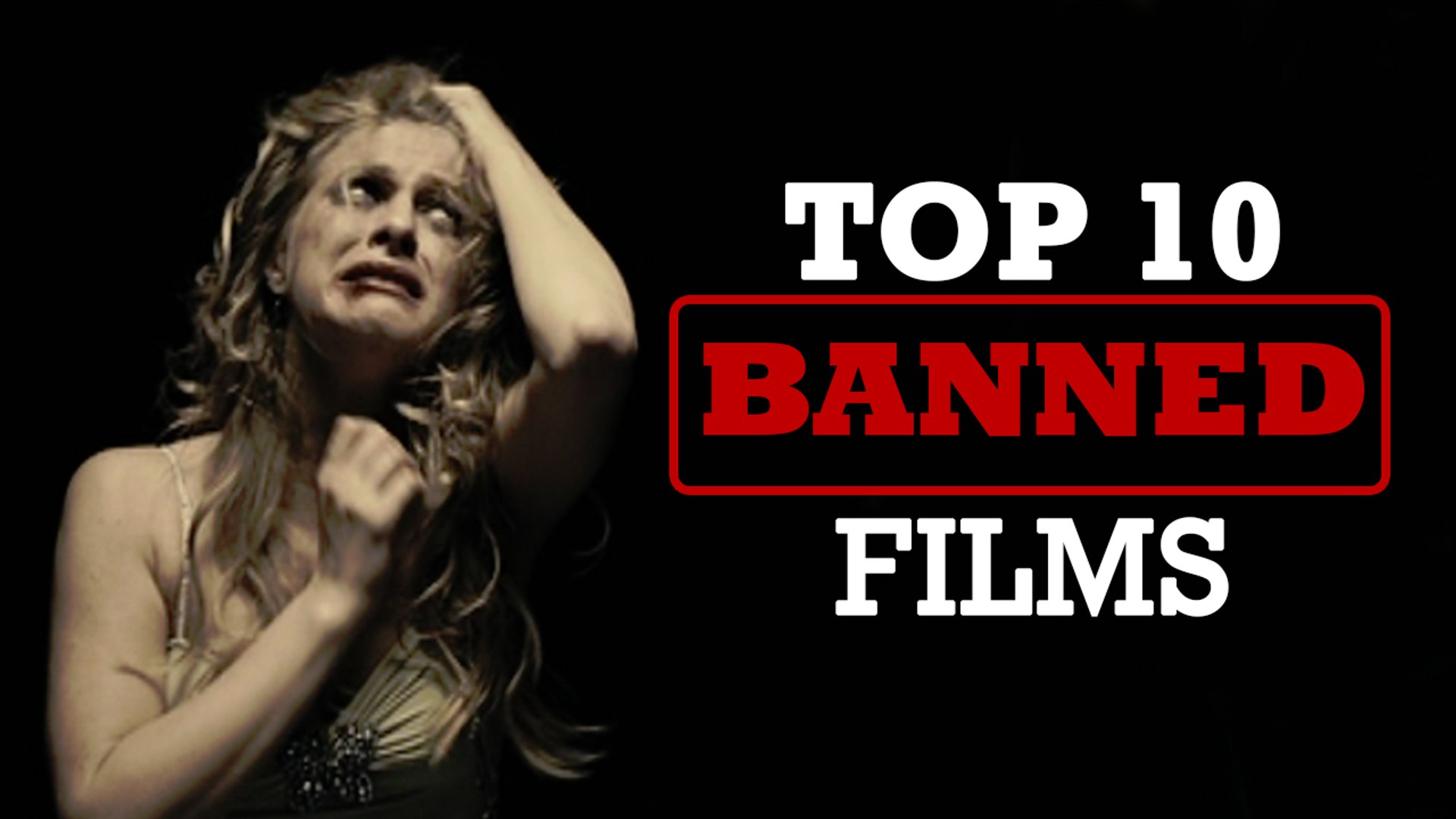
Throughout history, various forms of media have incited outrage, fear, and moral outrage, leading to their prohibition in different regions of the world. The reasons for censorship vary from political dissent to societal norms being challenged, and the artifacts of this censorship often reveal significant cultural fissures. This compilation explores ten notable banned movies, books, and games that have managed to infuriate, provoke, and bemuse audiences, igniting debates about freedom of expression and the limits of artistic endeavor.
1. A Clockwork Orange (Film)
Stanley Kubrick’s A Clockwork Orange, based on Anthony Burgess’s novel, flouted conventional boundaries, depicting a dystopian world that oscillates between extreme violence and the concept of free will. The film was met with vehement backlash, notably in the UK, where its portrayal of ultraviolence catalyzed fears of social decay. What adds an intriguing layer is the paradox of its subsequent ban and the allure it continues to hold: audiences remain magnetized by its audaciousness, torn between horror and appreciation for its cinematic brilliance.
2. 1984 (Book)
George Orwell’s prescient narrative concerning totalitarianism and surveillance has found itself under scrutiny in numerous political regimes. Particularly in the Soviet Union during the 1950s, 1984 was considered a treacherous tome, feared for its capacity to awaken revolutionary sentiments. Its banned status has paradoxically rendered it a cult favorite among readers, nurturing a fascination with Orwell’s eerily prophetic truths about government control, a theme all too resonant in contemporary conversations about privacy and autonomy.
3. The Catcher in the Rye (Book)
J.D. Salinger’s The Catcher in the Rye has become synonymous with teenage rebellion and disillusionment. Its ban in various educational institutions across the United States often stemmed from its candid discussions of sexuality, profanity, and existential angst. The very act of censorship has only amplified its status as a rite of passage for countless adolescents. The contentiousness surrounding the book reflects deep-seated anxieties about societal norms and the struggle for authenticity in a conformist world.
4. Natural Born Killers (Film)
Oliver Stone’s Natural Born Killers stands as a scathing satire of the media’s complicity in sensationalizing violence. Upon its release in the mid-90s, it faced bans in several film festivals and countries due to its graphic content and the perception it glorified crime. This film serves as a mirror to society’s obsessions, striking chords with audiences who grapple with their own consumption of violent media versus their moral compass. Its polarizing narrative continues to provoke discussions about media influence and societal violence.
5. Grand Theft Auto: San Andreas (Video Game)
This landmark image of the gaming industry became a focal point in the debate over video game violence when a controversial modification revealing explicit content circulated, inciting calls for an outright ban in multiple jurisdictions. The crux of the outrage lies not merely in the content itself, but rather in the implications for youth and societal morals. The public’s intrigue with this title in the face of adversity opens up dialogues about autonomy, the evolving landscape of digital interaction, and the threshold of objectionable material.
6. The Anarchist Cookbook (Book)
This notorious manual on creating disruptive devices and survivalist tactics has been a point of contention since its publication in the 1970s. Various schools and libraries have since banned it, citing issues of promoting violence and encouraging anti-establishment sentiments. The book’s notoriety is inextricably linked to its controversial status; it has almost mythic qualities for those desiring to challenge conventional wisdom, leading to a deeper inquiry into authority, rights, and rebellion.
7. Basilisk (Game)
The thought-provoking and morally complex title Basilisk, while not overtly violent, raised eyebrows due to its exploration of consent and reality. When released, it treaded dangerously close to ethical boundaries defined by various cultural standards, leading to protests that resulted in its ban. This game’s contentious nature elicits an important dialogue regarding the intersection of morality in gameplay and highlights the sort of ‘thought experiments’ games can provoke, as players grapple with unsettling scenarios.
8. Salò, or the 120 Days of Sodom (Film)
Pasolini’s Salò is perhaps one of the most harrowing films ever created, based on the work of Marquis de Sade. Its graphic depictions of abuse and debauchery earned it a notorious reputation, leading to bans across the globe. The visceral reaction it triggers is not solely about its content but rather about the discomfort it instills regarding human nature and societal decay. The film’s transgressive elements challenge viewers to confront their own aversion to violence and depravity, making it a subject of both revulsion and profound contemplation.
9. Persepolis (Book)
Marjane Satrapi’s Persepolis, a poignant autobiographical graphic novel, faced bans particularly in countries with strict regimes like Iran. Its narrative, which scrutinizes the impacts of war and cultural oppression, is perceived as a direct challenge to authoritarian narratives. The act of censorship surrounding this work not only highlights the fragility of free thought in totalitarian states but also points to a universal longing for the storytelling that transcends borders, empowering voices that resist oppression.
10. The House of the Spirits (Book)
Isabel Allende’s sweeping narrative in The House of the Spirits, which entwines themes of magical realism with the struggle against political tyranny, faced censorship in Chile under Pinochet. The ban encapsulates the fear of dissenting narratives that challenge the status quo. The enduring nature of Allende’s work is a testament to the resilience of human expression, inspiring readers to reflect on the intertwined destinies of hope and despair that punctuate their own histories.
These ten media artifacts, whether through the power of their narratives or the shock of their content, serve as vivid reminders of society’s unease with diverging thoughts and moral ambiguity. Each ban not only reflects cultural norms but also provokes profound inquiries about the nature of censorship itself, the societal responsibilities of artists, and the intricate dance between freedom and restraint. The fascination surrounding these works raises essential questions about what it means to confront unsettling truths and the value of art as a medium for questioning and understanding the human experience.




Leave a Comment