
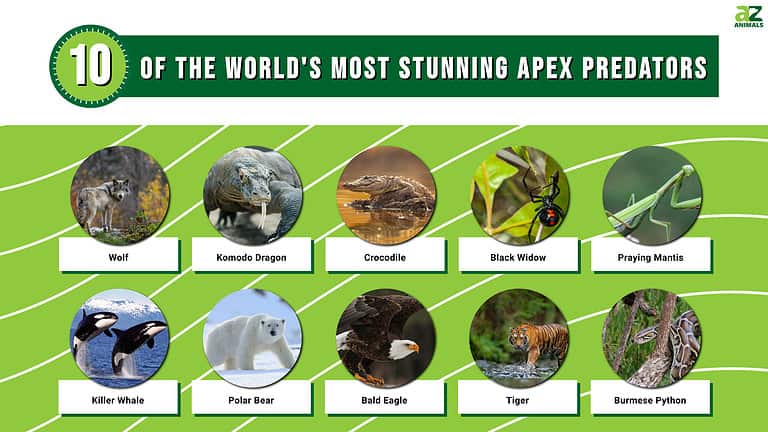
Nature is a realm of remarkable wonder, populated by astonishing creatures that dominate their environments and some that astonishingly stretch the limits of longevity. Have you ever pondered what it takes for certain animals to sit atop the food chain? Or how some species can witness the passage of centuries? In this exploration, we will delve into the top 10 apex predators and longest-living animals, distinguishing these extraordinary beings by their unmatched prowess and remarkable lifespans. Perhaps you’ll find a hidden challenge within their stories—one that encourages us to reflect on our own place in the tapestry of life.
1. Great White Shark
The great white shark reigns as an exclusive monarch of the oceans, lurking with a predatory grace that belies its formidable power. Known scientifically as Carcharodon carcharias, this apex predator can reach lengths of over 20 feet and can weigh up to 5,000 pounds. With keen sensory abilities, they can detect a drop of blood in 25 gallons of water, making them relentless hunters of seals, fish, and even smaller sharks. Their ability to navigate the vastness of the ocean, coupled with the raw ferocity of their hunting techniques, solidifies their status as oceanic royalty. What’s your opinion on their role in maintaining marine ecosystems?
2. African Lion
With their magnificent manes and commanding roars, African lions embody regal power. As social predators, they live in prides, showcasing a complex social hierarchy and cooperative hunting strategies. Lions primarily hunt large ungulates, such as wildebeests and zebras, often employing teamwork to bring down their prey. Their size, strength, and coordinated efforts ensure their place atop the African savanna’s food chain. What would you feel like if you encountered a lioness poised for the hunt?
3. Killer Whale (Orca)
Dubbed the “wolves of the sea,” orcas are striking and sophisticated cetaceans that demonstrate complex behaviors and social structures. As apex predators, they prey on everything from fish to marine mammals, using sophisticated techniques to outsmart their quarry. With a dorsal fin that can reach heights of six feet, orcas are not only visually impressive; their intelligence and adaptability further elevate them to the apex of marine biodiversity. Imagine the thrill of witnessing an orca pod in synchrony, hunting with the precision of a well-rehearsed symphony.
4. Saltwater Crocodile
Emerging as one of history’s most enduring reptiles, the saltwater crocodile possesses an ancient lineage stretching back over 200 million years. These formidable ambush predators can grow to lengths exceeding 20 feet, exhibiting stealth and unparalleled aggression in their hunting. Their rich predatory instincts allow them to thrive in brackish waters, deftly maneuvering through mangroves where they await unsuspecting prey. The call of the wild resonates in their primordial presence—how does the ancient nature of crocodilians move you when contemplating the survival of the fittest?
5. Bald Eagle
A symbol of freedom and power, the bald eagle possesses remarkable aerial prowess, soaring heights with grace. Known for their keen eyesight and razor-sharp talons, these majestic birds are expert hunters. With a wingspan of up to 7.5 feet, they are adept at locating and swooping in on fish, their primary food source. With their ranks among the apex of avian predators, bald eagles also serve as the emblem of resilience and grandeur. Have you ever found yourself captivated by their flight—the very essence of tenacity?
6. Greenland Shark
Among the longest-living vertebrates on the planet, the Greenland shark can surpass an incredible lifespan of 400 years. Found in the icy waters of the North Atlantic, these enigmatic creatures—known scientifically as Somniosus microcephalus—grow at an excruciatingly slow pace. They possess a unique diet, primarily feeding on fish and seal carcasses. Their remarkable longevity sparks fascination, raising questions about the impact of time on life itself. How might we learn from the patience of the Greenland shark?
7. Bowhead Whale
The bowhead whale is an iconic behemoth, thriving in cold Arctic waters and boasting an astonishing lifespan of over 200 years. Characterized by their abundance of baleen plates, they are filter feeders that consume vast quantities of krill and copepods. Their robust physique and adaptability have allowed them to withstand severe climatic variations. The bowhead whale personifies endurance and resilience—what lessons might we glean from their long, storied existence?
8. Tortoise (Galápagos)
The Galápagos tortoise holds the title of the longest-living terrestrial animal, with some individuals recorded at over 177 years of age. This gentle giant embodies steadfastness, exploring the arid terrains of the Galápagos Islands in pursuit of native plants. Their slow metabolism and deliberate pace contribute to their lengthy lifespan; they are true living wonders. What reflections arise as we consider the slow, purposeful journey of these magnificent creatures?
9. Asian Elephant
Asian elephants, revered for their intelligence and memory, can live up to 80 years in the wild. These majestic mammals form strong social bonds and exhibit complex behaviors, including communication through infrasound—a frequency inaudible to humans. Their presence is vital to the ecosystems they inhabit, fostering regeneration by dispersing seeds and maintaining biodiversity. What might the wisdom of an elephant teach us about the interconnectedness of life?
10. Ocean Quahog Clam
With a lifespan of over 500 years, the ocean quahog clam is a true marvel of longevity. Residing in the cold waters off the coast of North America, this bivalve demonstrates the wonders of marine life. Displaying growth rings similar to those of trees, these clams provide valuable insights into historical climate conditions. In contemplating their long existence, how might we approach our time on Earth with greater awareness and purpose?
As we unravel the captivating tales of these apex predators and longest-living animals, we are reminded of nature’s artistry and tenacity. Their existence offers a playful challenge: to admire their roles while also considering how we can harmonize with the world around us. What action can you take today to contribute positively to the grandeur of nature? The narratives of these extraordinary beings invite us into a journey of discovery, urging us to respect, protect, and cherish the natural world.







Leave a Comment