
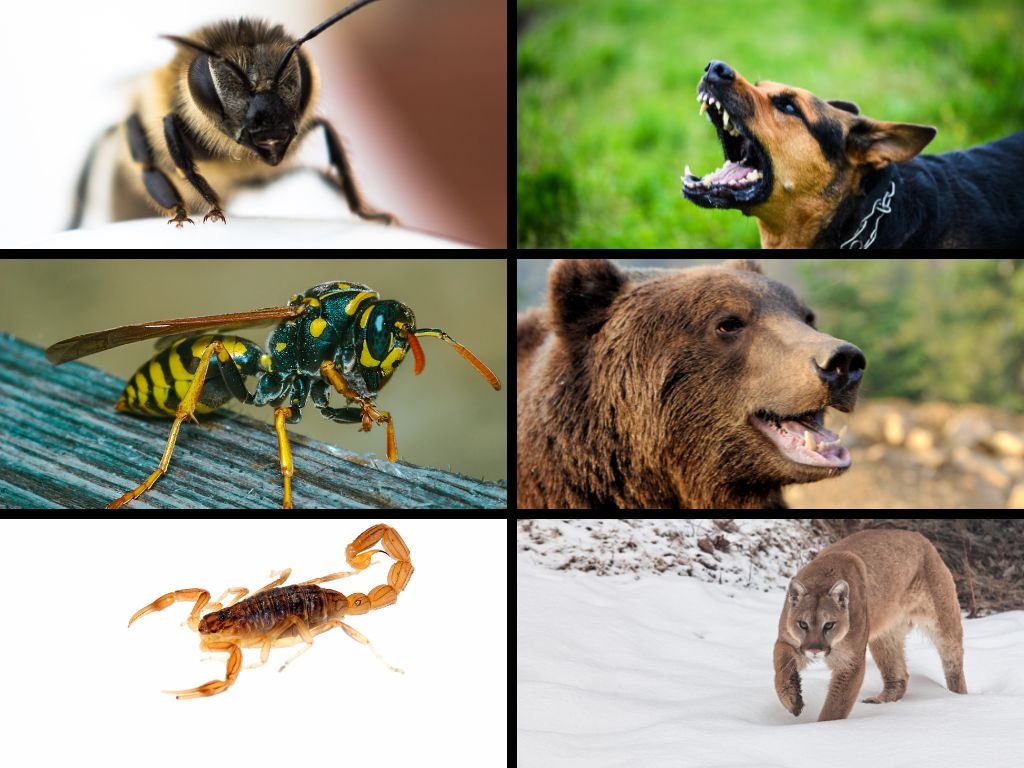
When one thinks of lethal encounters in the wild, images of ferocious lions, stealthy crocodiles, or cunning sharks may pop into the mind. Yet, lurking beneath our misconceptions lies an unsettling truth: many of the deadliest creatures are not as overtly fearsome. Instead, they blend into the fabric of human existence, quietly accounting for the highest mortality rates. Here, we explore the top ten animals that, through sting, bite, or mere proximity, take the lives of countless humans each year.
1. Mosquitoes: Silent Assassins of the Miasma
Whispering through the night air, the mosquito emerges as the consummate killer, claiming more lives than any other creature on the planet. Their minuscule stature belies their insidious potential; these tiny tyrants are vectors for mortality, transmitting diseases such as malaria, dengue fever, and Zika virus. Each buzz is a reminder of their detrimental impact on human health, with millions succumbing annually to their lethal payload. They embody the notion that even the smallest foes can wield the greatest danger.
2. Humans: The Apex Predator
In a paradoxical twist, humans themselves take the second spot on this disconcerting list. Wars, violent conflicts, and homicide are all manifestations of our species’ capability for destruction. While we marvel at our advancements and accolades, we must also confront our innate propensity for violence. The architect of our own demise through intentional acts, humans tragically exploit their power, creating a reign of terror that eclipses most animal interactions.
3. Snakes: Slithering Shadows
With a reputation etched into cultural lore, snakes evoke both fascination and fear. Venomous species such as the Indian cobra, black mamba, and yellow-bellied sea snake carry potent toxins that deliver death with an unassuming bite. Each year, tens of thousands of people succumb to snakebites, and many more suffer long-term health consequences. These enigmatic serpents, often shrouded in the foliage of their habitats, wield a lethal elegance, reminding us of nature’s sometimes capricious balance.
4. Dogs: The Unexpected Heralds of Death
Often hailed as “man’s best friend,” dogs possess an uncanny ability to transition from loyal companions to ferocious predators. Rabies-infested canines, in particular, are an insidious threat, leading to around 59,000 fatalities worldwide each year. Stray dogs, too, contribute to this grim tally, as packs may exhibit defensive aggression. Their mauling instincts, coupled with the neurotic plight of disease, remind humans of their responsibility towards these animals and the precarious interplay between domestication and danger.
5. Tsetse Flies: The Aerial Harbingers of Sleep
Hovering in the dense canopies of African savannahs, the tsetse fly becomes a spectral messenger of illness. Famed for transmitting sleeping sickness—a debilitating disease that can lead to death if left untreated—these pests cast a long shadow over life in impacted regions. Their relentless pursuit of human and livestock blood fuels the cycle of illness, underscoring how nature’s allure can quickly twist into a nightmare.
6. Crocodiles: The Ambush Kings
In the murky waters of tropical rivers and swamps, crocodiles lie in ambush, draped like sentries of the aquatic realm. With a jaw strength that could render bone to splinters, they epitomize predatory prowess. While not the most frequent killers, their attacks can be stunningly brutal, with hundreds of humans falling victim each year. Their primordial lineage showcases the raw power of nature, leaving a wake of awe and trepidation.
7. Hippos: The Unwitting Brawlers
Despite their seemingly docile demeanor, the hippopotamus prowls as one of Africa’s deadliest creatures. These enormous beasts can charge with startling speed when provoked, often resulting in deadly encounters with unsuspecting humans. Touted as more lethal than lions, hippos are unexpectedly aggressive as guardians of their territory, embodying the oft-forgotten truth that even the most benign creatures can deliver devastation in defense of their realm.
8. Scorpions: Venomous Guardians of the Night
In the shadows of the desert, scorpions predate on both insects and hapless humans. Their sting, while rarely fatal in developed nations, can induce excruciating pain and, in some cases, death. With over 30 species capable of lethal venom, they harbor an ancient mystique that belies their diminutive size. The eerie elegance of the scorpion encapsulates the stark duality of beauty and danger, leaving a permanent mark in the ecosystem.
9. Lions: Majestic Yet Deadly
The regal lion, a symbol of strength and nobility, stands as a formidable apex predator. While not a frequent killer of humans compared to others on this list, lions have instilled fear and awe throughout history. Their immense physical power and social dynamics can lead to deadly encounters, especially when their natural habitation is encroached upon. The bold lord of the savannah teaches the lesson of respect for nature’s dominion.
10. Bull Sharks: Jaws of the Ocean
With a reputation forged in both myth and reality, bull sharks epitomize the treachery of the deep. Known for their aggressive tendencies and adaptability in both salt and freshwater, these formidable hunters can thrive in the murkiest waters near human activity. While statistically contributing to fewer fatalities compared to some of their land counterparts, their sheer predatory instincts often thrust them into infamous headlines, reminding us of the untamed wildness that lies just beneath the surface.
As we traverse the tapestry of life, the delicate balance of predator and prey becomes evident. While many animals may seem innocuous, they embody the power to thwart human existence. This list serves as a reminder of our innate connection to the natural world and the respect it demands. In the saga of life, understanding our companions—both friend and foe—can lead us to cohabit harmoniously, lest we forget the lessons woven through the fabric of nature.






Leave a Comment