
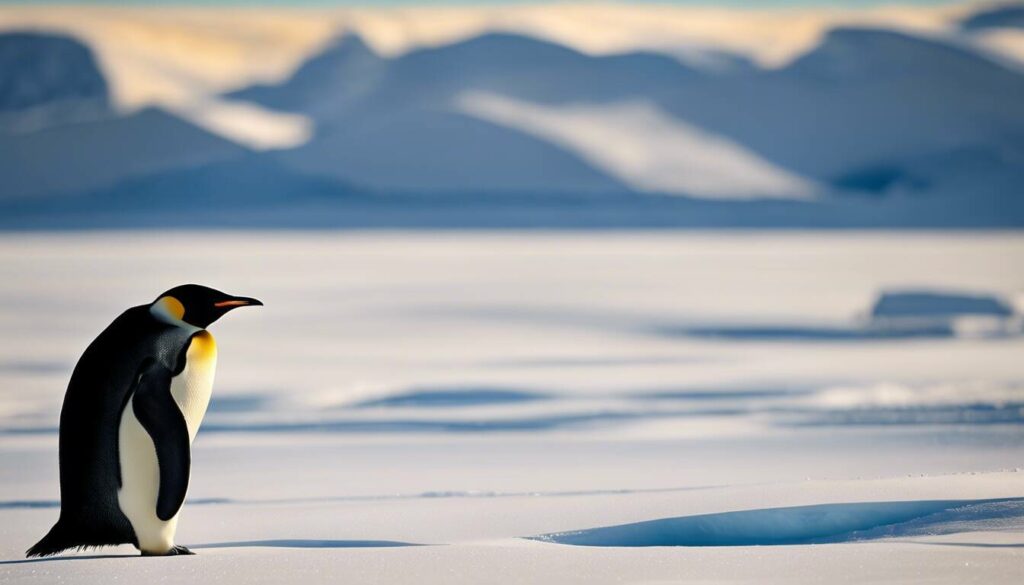
When one envisions the icy expanses of Antarctica and Alaska, an image of desolation often comes to mind. However, beneath the frost-laden surface lies a realm teeming with life, where extraordinary animals have adapted to thrive in these frigid environments. These frozen survivors showcase resilience, ingenuity, and marvels of evolutionary prowess. Join us as we explore the remarkable adaptations and fascinating lifestyles of the top ten animals that call these remote regions home.
1. Emperor Penguin
The quintessential emblem of Antarctica, the Emperor Penguin is the largest of its species and an extraordinary survivor of the harshest climates. With a body insulated by a thick layer of blubber and feathers, this magnificent bird braves temperatures that plunge as low as -60 degrees Fahrenheit. Remarkably, the males take on the role of incubating the eggs during the frigid winter months, balancing precariously on thin ice while fasting for weeks. Their endurance and commitment to their offspring make them not only resilient but also a symbol of familial devotion.
2. Weddell Seal
One of the most adept marine mammals of the Antarctic, the Weddell Seal exhibits remarkable adaptations that allow it to maintain its existence in icy waters. Known for their ability to dive deeper than 2,000 feet, these seals can hold their breath for up to 90 minutes as they hunt for fish and squid. What sets them apart is their determination to carve breathing holes in thick ice, a skill vital for survival. Their social behaviors, often seen lounging on the ice or interacting in playful displays, illustrate their complex social structures in an otherwise stark environment.
3. Polar Bear
A symbol of the Arctic, Polar Bears reign supreme as the apex predator of Alaska. Their shaggy, white fur, which insulates them from severe cold, also serves as excellent camouflage against the vast, snow-covered landscape. Adapted to a life predominantly spent on sea ice, these formidable hunters can swim for days in frigid waters to stalk seals. Their keen sense of smell, capable of detecting prey nearly a mile away, is complemented by an impressive layer of fat, providing both energy reserves and insulation. With climate change threatening their habitat, polar bears are emblematic of the fragile balance of Arctic ecosystems.
4. Snowy Owl
The Snowy Owl captivates with its striking appearance and ethereal presence amidst the stark white backdrop of winter landscapes. Renowned for its vivid white plumage, which provides excellent camouflage, this raptor preys on small mammals like lemmings. Their unique adaptations include acute eyesight, allowing them to hunt effectively in low-light conditions. Known for their migratory behavior, snowy owls travel vast distances, reminding us that even the most well-adapted creatures are influenced by the ebb and flow of their environment.
5. Arctic Fox
The Arctic Fox is a master of adaptation, equipped with a thick coat that changes color with the seasons—brown or gray in summer and pure white in winter. This evolutionary trait not only aids in camouflage but also provides insulation against the biting cold. Remarkably, their diet is versatile, ranging from lemmings to carrion, showcasing their survival prowess in the cold tundra. The Arctic Foxes exhibit fascinating behaviors, including caching food, which is essential for enduring the elongated winters when resources are scarce.
6. Gentoo Penguin
Another jewel of Antarctica, the Gentoo Penguin, is distinguished by its bright orange beak and characteristic white stripe over its head. This dynamic swimmer is adept at leaping from the water, allowing them to navigate the frigid seas in pursuit of fish and krill. Gentoo Penguins are known for their complex social dynamics, displaying intricate courtship rituals and cooperative breeding strategies. Their populations are closely monitored, highlighting the importance of climate and ecosystem health in their survival.
7. Beluga Whale
The Beluga Whale, often referred to as the ‘canary of the sea,’ enchants observers with its melodic vocalizations and striking white coloration. These social cetaceans thrive in the icy waters of Alaska, exhibiting an intriguing combination of intelligence and agility. They navigate among the sea ice using their sophisticated echolocation to communicate and hunt, primarily preying on fish and crustaceans. Their adaptability to changing environments makes them an essential indicator of Arctic health.
8. Leopard Seal
The Leopard Seal stands as a formidable predator in the Antarctic waters, characterized by its powerful body and a jaw designed to grasp its prey with exceptional strength. Known to hunt both fish and even other seals, their presence in the ecosystem is vital for maintaining the balance of marine life. Unique among seals, Leopard Seals often exhibit playfulness, engaging in intricate behaviors that suggest higher cognitive functioning, further illustrating the complexity of life in extreme environments.
9. Orca (Killer Whale)
Orcas, or killer whales, are the largest members of the dolphin family, thriving in both the icy waters of Alaska and the surrounding regions. Their striking black and white coloration is not just for aesthetics; it provides effective camouflage while hunting. These highly social creatures live in pods and exhibit sophisticated cooperative hunting techniques, showcasing their intelligence and social structure. Their role as apex predators underscores their importance in marine ecosystems, where they significantly impact prey populations.
10. Antarctic Krill
Though not an animal one might typically spotlight, Antarctic krill is a linchpin of the Southern Ocean’s ecosystem. These small crustaceans are a critical food source for many species, from penguins to whales, and play a pivotal role in bioenergetic cycles. Their swarming behavior and sheer numbers are phenomena that sustain the delicate balance of life in these icy waters. Understanding their role in the food web reveals the interconnectedness of the ecosystem, highlighting the fragile nature of life in extreme conditions.
The flora and fauna of Antarctica and Alaska unveil a world of resilience, adaptation, and interdependence. Each of these top ten animals offers an insight into the complexity of nature and the extraordinary lengths life will go to endure. As we explore and understand these incredible creatures and their environments, we glean a greater appreciation for the intricacies of life in extremes and the urgent need to protect these fragile ecosystems.






Leave a Comment