
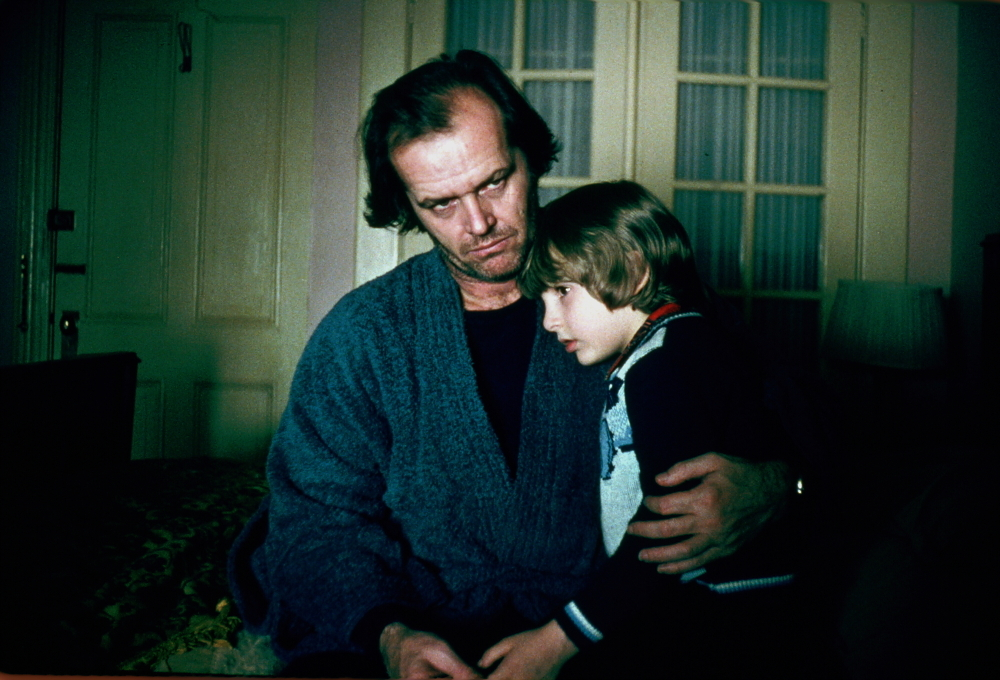
From the flickering light of the movie screen to the hushed whispers among friends nestled in an uncomfortable theater seat, horror films possess an unparalleled ability to immerse us in worlds that simultaneously fascinate and terrify. In the sprawling landscape of cinematic horror, a select few films stand out as exceptionally terrifying. Some may elicit screams, while others leave a haunting echo of dread long after the credits have rolled. Here, we delve into ten scariest movies that are too terrifying for the faint of heart, providing insights into why they evoke such intense reactions.
1. The Exorcist (1973)
Widely regarded as one of the greatest horror films of all time, “The Exorcist” tells the harrowing story of a young girl possessed by an otherworldly force. The visceral depiction of demonic possession engages viewers in a way that feels disturbingly real. Its themes of faith, innocence lost, and the battle between good and evil resonate deeply, provoking a primal fear of the unknown and the supernatural. The film’s stark realism, combined with unsettling imagery, makes it an indelible part of horror cinema.
2. Hereditary (2018)
With its intricate plot building and emotional undercurrents, “Hereditary” is a groundbreaking horror film that weaves familial trauma into the fabric of its chilling narrative. The film explores grief, loss, and the inexorable hold of ancestry. Its slow-burn pacing contrasts drastically with heart-stopping moments that leave audiences gasping. The psychological horror of losing control within one’s family dynamic elevates its terror to unprecedented levels, tapping into a very human fear of letting down loved ones.
3. The Babadook (2014)
This Australian psychological horror film transcends traditional scares by exploring the concept of grief and mental illness. The titular creature, the Babadook, symbolizes the manifestation of suppressed trauma. With a minimalist approach to horror, the film creates an atmosphere of suspense and dread that feels organic, coaxing viewers into a state of discomfort that lingers even after the film ends. It is a stark reminder that some of the most terrifying monsters dwell within us.
4. A Nightmare on Elm Street (1984)
The introduction of Freddy Krueger into horror lore manifested a cunning exploration of the boundary between dreams and reality. This film introduces a new layer of terror, as the protagonist faces an entity that preys upon her during her most vulnerable moments – sleep. Freddy’s sadistic quips and nightmarish antics render sleep itself a fearful prospect. This infiltration of the subconscious taps into a universal fear: the loss of control when we are most vulnerable.
5. Suspiria (1977)
Renowned for its staggering visual style and haunting score, “Suspiria” is an assault on the senses. This Italian horror masterpiece immerses viewers in a dreamlike world filled with vibrant colors and disquieting sounds, creating an atmosphere of foreboding. The film’s exploration of witchcraft and the perverse dynamics of a ballet academy obfuscates the line between beauty and horror. Its ability to evoke discomfort through surreal imagery speaks to a deeper, unsettling truth lurking beneath the surface.
6. The Shining (1980)
Stanley Kubrick’s adaptation of Stephen King’s novel serves as a psychological labyrinth that explores the descent into madness. With its stark imagery and chilling performances, “The Shining” examines themes of isolation, familial dysfunction, and the malevolent specter of violence. The dread-filled atmosphere within the confines of the Overlook Hotel, coupled with Jack Nicholson’s iconic performance, transforms the mundane into the horrific. The film’s intricate symbolism serves as a mirror, reflecting the darkest corners of human nature.
7. It Follows (2014)
This film innovatively employs the concept of an ever-present, shape-shifting entity that symbolizes the consequences of intimacy. The notion that horror can lurk behind the seemingly ordinary is magnificently realized, as the protagonist, Jay, navigates both literal and metaphorical threats. The hauntingly lingering score and a sense of impending doom cultivate a persistent tension that leaves viewers unsettled. The film’s thematic depth and social commentary elevate its horror beyond the mere visceral.
8. Midsommar (2019)
“Midsommar” takes the unsettling themes of horror and positions them under the bright glare of daylight, challenging our conceptions of beauty and terror. The film paints a portrait of grief and the dichotomy of love and loss amid the backdrop of a Summer festival. Its hypnotic visuals juxtaposed with the horrific rituals of a pagan commune create a dissonance that unsettles viewers. We confront not only the horror of the bizarre but the innate human need for belonging and connection, albeit through twisted means.
9. The Witch (2015)
This slow-burn folk horror film meticulously crafts a narrative centered on isolation and religious fanaticism, set against the backdrop of 1630s New England. The palpable sense of dread and the oppressive atmosphere create a foreboding that intensifies as the story unfolds. The film’s exploration of paranoia and mistrust within a family unit echoes through the ages, forcing viewers to confront the terrifying prospect of losing one’s grip on reality. Its historical authenticity heightens the emotional stakes, making the horror feel both real and imminent.
10. Get Out (2017)
With its incisive social commentary wrapped in a suspenseful narrative, “Get Out” masterfully intertwines horror with race relations in America. The film critiques societal norms while delivering visceral horror, capitalizing on psychological dread stemming from being an outsider. Its potency lies in how it reflects deeper societal fears, making the narrative not just a scary story, but a chilling examination of our collective consciousness. The movie reverberates with viewers long after viewing, allowing those fears to fester.
Each of these films serves not only to entertain but to provoke thought and introspection about our deepest fears and societal issues. The unnerving appeal of horror represents more than mere fright; it embodies our innate curiosity about the darker facets of existence. Whether it is the psychological depth, sociocultural critique, or existential dread, these movies invite audiences to confront their fears in a safe yet starkly illuminating space.







Leave a Comment