
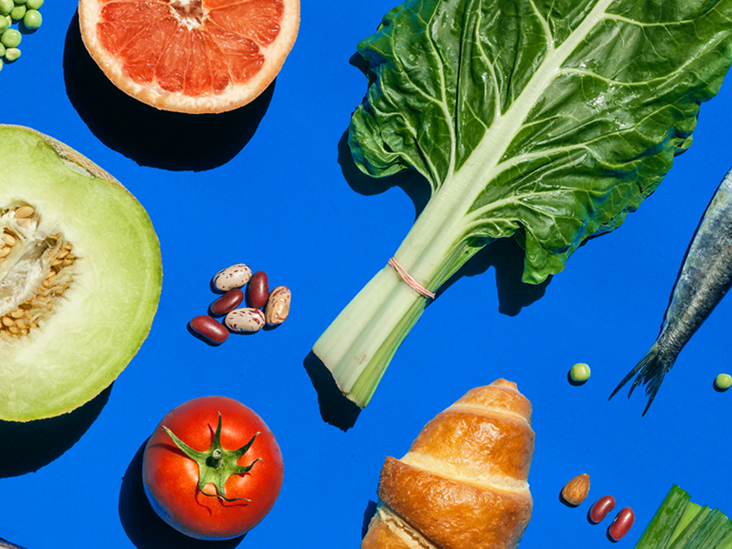
In an era where dietary choices profoundly influence our well-being, understanding the most nutritious foods to consume daily is paramount. Nourishing our bodies with high-quality nutrients not only enhances physical health but also boosts mental clarity and emotional resilience. Below, we explore an array of nutrient-dense foods that should earn their place in your daily meals. Each entry highlights the unique benefits these foods offer, ensuring that your diet is both flavorful and fortified with essential vitamins, minerals, and fibers.
1. Leafy Green Vegetables
Leafy greens such as kale, spinach, and Swiss chard are unparalleled in their nutritional offerings. Rich in vitamins A, C, and K, these greens serve as a veritable treasure trove of antioxidants, which combat oxidative stress and inflammation. Incorporating a serving or two of these robust vegetables into your meals can enhance your immune function, improve vision, and support bone health. Perhaps consider a vibrant salad, a verdant smoothie, or sautéed greens as a side dish.
2. Berries
Berries—blueberries, strawberries, raspberries, and blackberries—are not just a delicious snack; they are also packed with phytonutrients and fiber. Their high levels of antioxidants are known for improving cardiovascular health and reducing the risk of chronic diseases. In addition, the soluble fiber present in berries aids in digestion and regulates blood sugar levels. Try adding a handful to your morning oatmeal or as a topping on yogurt for an enticing and nutrient-rich breakfast.
3. Nuts and Seeds
Nuts and seeds, including almonds, walnuts, chia seeds, and flaxseeds, are quintessential sources of healthy fats, protein, and vital micronutrients. They are particularly notable for their high content of omega-3 fatty acids, which promote heart health and reduce inflammation. A small handful of nuts can stave off hunger and provide sustained energy throughout the day. Sprinkle some seeds on your salad or blend them into smoothies for a crunchy and nutritious boost.
4. Fatty Fish
Fatty fish, such as salmon, mackerel, and sardines, are celebrated for their richness in omega-3 fatty acids and high-quality protein. These powerful nutrients contribute to brain health, enhance cognitive function, and can even lower the risk of depression. The recommended intake is two servings per week, easily satisfied with grilled fish or a hearty fish stew. The savory taste blends splendidly with various herbs and spices, making it a versatile addition to your diet.
5. Whole Grains
Whole grains such as quinoa, brown rice, and farro are fundamental to a balanced diet. Unlike their refined counterparts, whole grains retain their bran and germ, which means they are teeming with fiber, B vitamins, and antioxidants. They play a crucial role in digestive health and are linked to a reduced risk of obesity and heart disease. Introducing whole grains into your meals can be as simple as substituting white rice with quinoa or opting for whole-grain bread rather than white bread.
6. Legumes
Legumes, including lentils, chickpeas, and black beans, are an excellent source of plant-based protein and dietary fiber. Their low glycemic index makes them an ideal choice for maintaining stable blood sugar levels. Moreover, legumes are rich in iron and folate, essential for energy production and metabolic health. Whether tossed into a hearty stew, blended into hummus, or used as a salad topping, legumes offer myriad culinary possibilities.
7. Avocados
Avocados stand out as a unique fruit packed with monounsaturated fats, which are beneficial for heart health. Beyond their creamy texture and delightful flavor, they provide nearly 20 different vitamins and minerals, including potassium, vitamin E, and folate. Avocados can be savored in a myriad of ways; spread on toast, blended into smoothies, or sliced into salads, they should undoubtedly feature in your daily nutrition arsenal.
8. Greek Yogurt
Greek yogurt is not merely a tangy treat; it is a powerhouse of protein and probiotics. The protein facilitates muscle repair, while the probiotics contribute to a healthful gut microbiome, imperative for overall well-being. A serving of Greek yogurt can serve as an excellent base for smoothies, a topping for breakfast bowls, or a creamy dip for vegetables. Opt for varieties that are low in added sugars to maximize the health benefits.
9. Sweet Potatoes
Sweet potatoes are a vibrant source of complex carbohydrates, providing energy while simultaneously delivering a wealth of vitamins A and C, potassium, and dietary fiber. Their naturally sweet flavor and versatility in cooking make them a delightful addition to any meal. Roasted, mashed, or even spiralized, sweet potatoes can satisfy your hunger while supporting immune health and promoting healthy skin.
10. Eggs
Eggs are often hailed as a supreme source of high-quality protein and essential nutrients such as choline, which is vital for brain health and development. They are incredibly versatile and can be enjoyed boiled, poached, scrambled, or incorporated into myriad dishes, from casseroles to salads. The nutrient density of eggs makes them an excellent choice for breakfast and any meal throughout the day.
In conclusion, fortifying your daily diet with these nutrient-dense foods paves the way for enhanced health and vitality. Each food not only contributes to your nutritional needs but also offers unique flavors and textures, ensuring that your meals remain enjoyable and diverse. Embrace the power of nutrition by incorporating these foods into your routine; your body and mind will be grateful, reaping the rewards of a wholesome and balanced diet. Prioritizing these foods can lead to improved overall health, increased energy levels, and a more fulfilling relationship with food.







Leave a Comment