
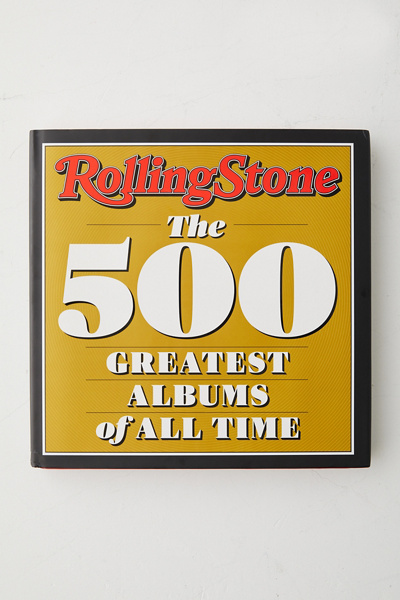
Music has a profound ability to evoke emotions, transport listeners through time, and narrate the human experience. Among the pantheon of recorded history, certain albums rise above the rest, epitomizing artistic innovation and cultural impact. This exploration revisits ten monumental albums that have profoundly influenced the musical landscape, each a testament to the transformative power of sound. These classics prompt a renewed perspective, encouraging us to see their narratives with fresh eyes.
1. The Beatles – ‘Sgt. Pepper’s Lonely Hearts Club Band’
Released in 1967, this album shattered traditional norms and redefined what an album could be. Intended as a conceptual piece, ‘Sgt. Pepper’s’ offers an audacious blend of rock, psychedelia, and orchestral elements. The opening track immediately transports the listener into a whimsical universe, characterized by its experimental soundscapes. The profound lyrics and innovative studio techniques invite an exploration of the counterculture of the 1960s, challenging preconceptions of musicality.
2. Bob Dylan – ‘Highway 61 Revisited’
This album, released in 1965, marks a pivotal turning point not just for Dylan, but for popular music as a whole. With its electrifying fusion of folk and rock, ‘Highway 61 Revisited’ presents Dylan in a new light, infusing raw emotion and incisive social commentary into his lyrics. Tracks like “Like a Rolling Stone” disrupt lyrical conventions and offer a disquisition on personal transformation and societal upheaval. This album’s audaciousness persists in its ability to resonate deeply with contemporary themes.
3. Michael Jackson – ‘Thriller’
‘Thriller,’ released in 1982, stood as a monumental cultural touchstone and showcases Jackson’s unparalleled prowess. The album blends diverse musical styles—from pop to funk and rock—creating a lasting appeal across generations. With iconic tracks such as “Billie Jean” and “Beat It,” Jackson’s meticulous choreography and elaborate music videos redefined visual storytelling in the music industry. This album’s ability to transcend genres continues to inspire artists worldwide, proving that pop music can also have depth and substance.
4. Pink Floyd – ‘The Dark Side of the Moon’
A cornerstone of progressive rock, ‘The Dark Side of the Moon’ invites listeners on an auditory journey through reality’s complexities. Released in 1973, its seamless transitions between tracks and philosophical musings on time, identity, and existence create a holistic experience. The innovative use of sound effects and synthesized instrumentation renders a rich tapestry of soundscapes, challenging listeners to reflect on their own lives while fostering an appreciation for the nuances of human emotion.
5. Led Zeppelin – ‘IV’
Arguably one of the most important albums in the history of rock, Led Zeppelin’s ‘IV’ offers a masterclass in genre-blending. Released in 1971, it features the legendary track “Stairway to Heaven,” which has become an anthem for generations. The album’s interweaving of heavy metal with elements of folk, blues, and even mysticism showcases Zeppelin’s audacious artistic vision. Each track serves as an exploration of varied musical landscapes, evoking curiosity and admiration for the band’s creative boundaries.
6. Prince – ‘Purple Rain’
‘Purple Rain’ merges rock, pop, R&B, and gospel into a cohesive narrative, released in 1984. The album presents Prince as both a visionary and a virtuoso, unearthing deep emotional resonance through tracks like the eponymous “Purple Rain.” This seminal work addresses themes of love, loss, and redemption, inviting listeners to experience a full spectrum of emotions. The album’s audacity lies not only in its genre-defying sound but in its unapologetic vulnerability.
7. The Rolling Stones – ‘Exile on Main St.’
1972’s ‘Exile on Main St.’ epitomizes the musical ethos of the Rolling Stones, encapsulating the raw grit of rock and roll. It combines rock, blues, country, and soul, reflecting the band’s artistic wanderings. The album’s lo-fi production resonates with authenticity and spontaneity, drawing listeners into its chaotic yet profound world. Each track whispers tales of decadence, loss, and resilience—qualities that continue to resonate in the continuance of rock music’s evolution.
8. Fleetwood Mac – ‘Rumours’
This 1977 album is a cultural artifact of its time—a narrative of love and heartbreak that transcends its roots in pop and rock. The intricacies of inter-band relationships are palpable in each note, giving the album an emotional depth that continues to captivate listeners. Songs like “Go Your Own Way” and “Dreams” encapsulate the complexities of personal and professional entanglements, creating an enduring listening experience that mirrors the human condition.
9. Nirvana – ‘Nevermind’
Out of the shadows of the late 1980s music scene emerged Nirvana with their groundbreaking 1991 album ‘Nevermind.’ Marking the advent of grunge, this album encapsulates youthful angst and disillusionment, with “Smells Like Teen Spirit” becoming a rallying cry for a generation. The raw energy and visceral lyrics challenge the polished sensibilities of mainstream music, allowing a cathartic release for listeners yearning for authenticity in expressive performance.
10. Kendrick Lamar – ‘To Pimp a Butterfly’
As a modern classic, Lamar’s 2015 album confronts systemic issues and celebrates the richness of African American culture. With its intricate lyrics and an eclectic array of musical styles, ‘To Pimp a Butterfly’ stands as a contemporary manifesto. Tracks such as “Alright” serve as both an anthem of resilience and a reflection on societal realities, offering profound insight that resonates deeply with listeners amidst modern complexities.
These ten albums encapsulate musical evolution and cultural climate shifts over several decades. They serve as poignant reminders that music transcends mere entertainment; it fosters connection, understanding, and introspection. Reconnecting with these classics not only deepens appreciation for their artistry but also rekindles curiosity about their enduring legacy, affirming the notion that great music remains timeless.







Leave a Comment