
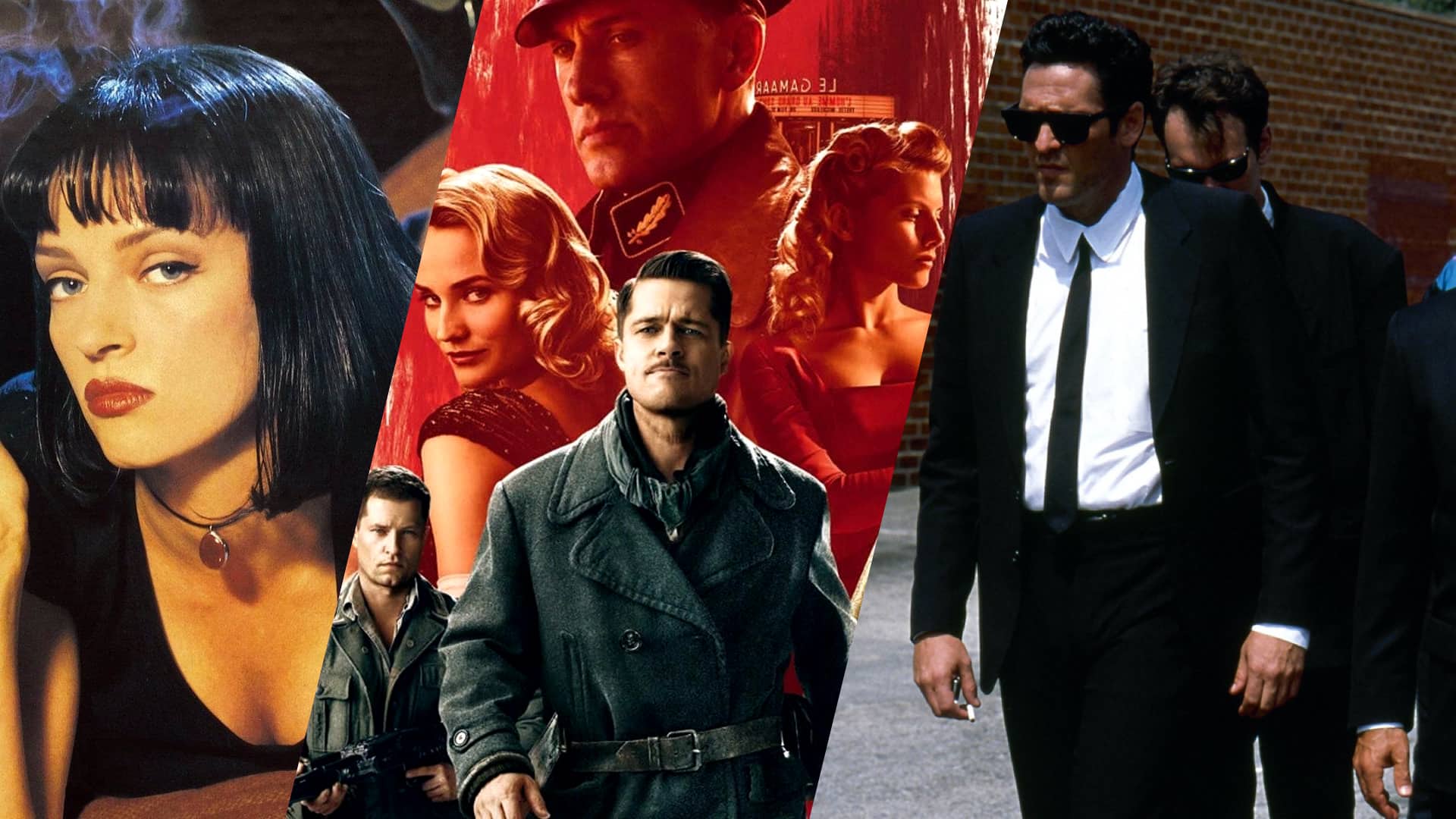
Quentin Tarantino is a cinematic maestro whose idiosyncratic style has cemented him as a titan in modern filmmaking. His oeuvre is marked by audacious storytelling, eclectic stylistic choices, and a fondness for pop culture references that create an intricate tapestry of filmic homage. Below is an exploration of his top ten movies, ranked and detailed to illuminate his compelling fascination with genre, dialogue, and character. Each film signifies a pivotal moment in his career, showcasing not only his artistic evolution but also the way he reshapes the narratives and archetypes he adores.
10. The Hateful Eight (2015)
Set against the backdrops of the post-Civil War American West, “The Hateful Eight” is a masterclass in claustrophobic storytelling and dialogue-driven tension. Tarantino’s penchant for detailed character studies becomes evident as eight disparate figures converge in a snowbound lodge. Themes of betrayal, race, and moral ambiguity unravel as the narrative unfolds. The film is also notable for its stunning cinematography, utilizing 70mm film to create an immersive experience. This production choice was not merely aesthetic but resonated with Tarantino’s desire to revive a grand cinematic tradition.
9. Django Unchained (2012)
Immersing viewers in the antebellum South, “Django Unchained” is a bold blend of Western and historical revisionism. Following Django’s quest to rescue his wife from a nefarious plantation owner, the film delves into the grotesque realities of slavery while simultaneously reveling in its own spaghetti Western roots. The charismatic performances from Jamie Foxx, Christoph Waltz, and Leonardo DiCaprio elevate the narrative, while Tarantino’s irreverent humor and sharp dialogue provide ironic levity. This juxtaposition of brutality and comedy examines America’s past, forcing audiences to confront uncomfortable truths while simultaneously creating an engaging spectacle.
8. Once Upon a Time in Hollywood (2019)
A nostalgic tribute to 1960s Los Angeles, “Once Upon a Time in Hollywood” interweaves fictional narratives with real historical events, particularly the Manson Family murders. It encapsulates a fading cinematic golden age through the lens of a fading actor, Rick Dalton, and his suave stunt double, Cliff Booth. Tarantino unfurls a meticulous tableau of Hollywood’s disintegration, blending fact and fiction in a way that reflects his own love affair with the medium. The film’s slow-burn narrative rewards patient viewers, steeping them in the period’s vibrant culture and nuanced character dynamics, making the final act’s explosive chaos all the more resonant.
7. Kill Bill: Vol. 1 (2003)
“Kill Bill” is a genre-blending tour de force that pays homage to martial arts films, revenge dramas, and spaghetti Westerns. Tarantino’s aesthetic flair shines through in stylistic choices like vibrant color palettes and inventive camera angles. The narrative follows ‘The Bride’, a character driven by vengeance, as she battles her former comrades on a quest for retribution. The film’s kinetic energy is matched by its painstakingly choreographed fight sequences and eclectic soundtrack, demonstrating Tarantino’s ability to fuse disparate influences into a cohesive whole. It also opens a dialogue about the portrayal of femininity in cinema, featuring a fierce female protagonist who embodies both strength and vulnerability.
6. Once Upon a Time in the West (1968) – An Artistic Influence
While not a Tarantino film, it’s essential to acknowledge that “Once Upon a Time in the West” left a profound impact on his work. The spaghetti Western genre deeply influenced Tarantino’s stylistic choices and narrative structures. Its themes of revenge and justice resonate throughout his oeuvre. This correlation emphasizes how foundational media shapes new artistic expressions, revealing an ongoing dialogue within cinematic history.
5. Pulp Fiction (1994)
The film that catapulted Tarantino into the cinematic stratosphere, “Pulp Fiction” is a non-linear narrative that intricately weaves together the lives of criminals, hitmen, and a mysterious briefcase. Its iconic dialogue and unforgettable scenes have permeated popular culture, arguably defining a generation of filmmakers. Tarantino’s signature blend of humor, violence, and philosophical musings offers a tantalizing exploration of morality in a postmodern world. Its audacious timeline manipulation and character arcs challenge traditional storytelling, showcasing Tarantino’s innovative narrative structure that captivates and entertains.
4. Inglourious Basterds (2009)
This film is an audacious reimagining of World War II. With an ensemble cast, “Inglourious Basterds” follows a group of Jewish-American soldiers on a mission to assassinate Nazi leaders. Tarantino’s manipulation of historical events creates a tantalizing alternate reality that examines themes of revenge and the ethics of violence. Christoph Waltz’s portrayal of the malevolent Colonel Hans Landa stands out as a breathtakingly charismatic villain, adding layers of complexity to the narrative. The film ultimately provokes discourse on heroism and villainy, while its surreal culmination serves as an exhilarating critique of revenge-driven narratives.
3. Jackie Brown (1997)
An adaptation of Elmore Leonard’s novel, “Jackie Brown” showcases a more mature Tarantino, pivoting away from the frenetic energy characteristic of his earlier works. The film is a sophisticated heist thriller that intertwines the lives of several morally ambiguous characters, all vying for a substantial sum of money. Pam Grier shines as the titular character, embodying strength and resilience. Tarantino’s use of music parallels character arcs, making “Jackie Brown” a rich tapestry of sound and story, underpinned by his love for the blaxploitation genre. Here, Tarantino delves into human relationships, offering a more nuanced exploration of loyalty, betrayal, and redemption.
2. Reservoir Dogs (1992)
Debuting with “Reservoir Dogs,” Tarantino established himself as a formidable writer-director with a penchant for sharp dialogue and non-linear storytelling. The film’s narrative revolves around a botched diamond heist, focusing on the aftermath rather than the event itself. Through minimalistic settings and an audaciously talented ensemble cast, it emphasizes the psychological horror of betrayal and mistrust. Its gritty realism and acute character studies create a palpable tension that lingers, showcasing Tarantino’s unique capacity to transcend genre constraints and reimagine the heist movie archetype.
1. Kill Bill: Vol. 2 (2004)
“Kill Bill: Vol. 2” culminates Tarantino’s epic revenge saga, delivering a profound exploration of vengeance and its consequences. Where the first volume is marked by frenetic action, the sequel delves deep into character development, highlighting the emotional ramifications of the Bride’s journey. This film masterfully balances heart-wrenching moments with mythic storytelling, culminating in a finale that wields both emotional resonance and cathartic payback. It solidifies Tarantino’s legacy as a filmmaker who blurs the lines between genres and invites viewers to contemplate the implications of revenge while celebrating cinematic storytelling.
In summation, Quentin Tarantino’s films are not merely narratives but a profound reflection of cultural commentary and personal creativity. Each film is a distinct prism through which he explores universally resonant themes while drawing on his extensive knowledge of film history. His meticulous craftsmanship encourages viewers to revel in the multifaceted dimensions of storytelling, ultimately leaving an indelible mark on the basis of modern cinema.







Leave a Comment