
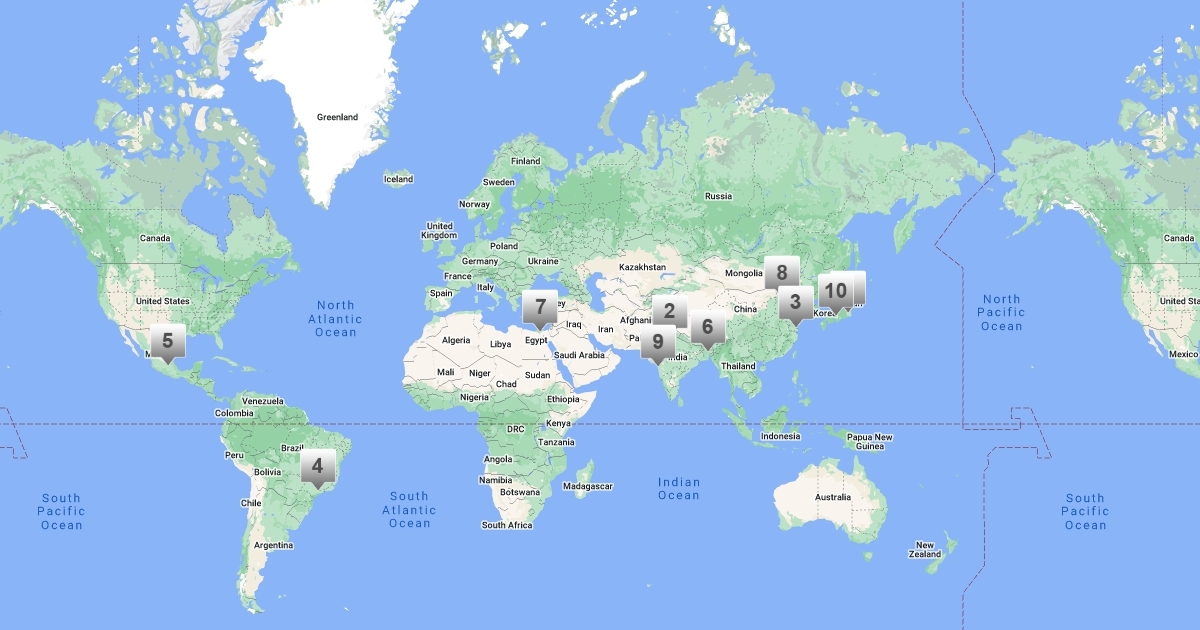
The phenomenon of urbanization has captivated the collective imagination as cities burgeon into metropolitan hubs bustling with life. The allure of populous cities is not just in their numbers; it is enshrined in the diversity of cultures, the myriad opportunities for economic engagement, and the breathtaking tapestry of human experiences. Here, we delve into the ten most populated cities around the globe, bringing forth insights into their uniqueness, socio-economic vibrancy, and the deeper reasons behind our enduring fascination with these sprawling urban landscapes.
1. Tokyo, Japan
Tokyo stands as a paragon of modernization fused with tradition, an urban colossal that boasts a staggering population exceeding 37 million people. This megacity is a veritable mélange of the ultramodern—gleaming skyscrapers, cutting-edge technology—and the ancient, exemplified in its serene temples and historic districts. The Japanese ethos permeates the city, where efficiency and politeness reign supreme. Visitors are often mesmerized not only by the sheer scale but by the rich culinary tapestry, bustling markets, and the rhythmic cadence of daily life. Tokyo’s allure lies in its juxtaposition: a city that never sleeps yet balances tranquility amidst chaos.
2. Delhi, India
Delhi, with its population of over 31 million, serves as a microcosm of India’s rich heritage and rapid modernization. It is a city where the echoes of history intertwine with the hustle of urban life. The capital boasts an impressive array of monuments, from the majestic Red Fort to the intricate beauty of Humayun’s Tomb. However, Delhi’s immense population also unveils the complexities of urbanization, marked by challenges such as pollution and infrastructure strains. Despite these hurdles, the vibrant street food culture, the spirited bazaars, and the artistic expressions of its diverse populace create a palpable energy—a harmony of past and present that captivates both locals and visitors alike.
3. Shanghai, China
Shanghai, with its astonishing population of approximately 26 million residents, epitomizes the rapid growth of urban centers in the 21st century. Renowned for its futuristic skyline dominated by the iconic Oriental Pearl Tower, Shanghai is both an economic powerhouse and a cultural nexus. Its bustling streets are a testament to its role as the financial epicenter of China, attracting multinational corporations and entrepreneurs. The coexistence of traditional tea houses alongside shimmering high-rises presents a fascinating dichotomy, illustrating how the city embraces its rich cultural tapestry while forging ahead. The vibrancy of Shanghai is a siren call for those seeking innovation and tradition in harmony.
4. São Paulo, Brazil
São Paulo is Brazil’s most populous city, home to around 22 million inhabitants. Often regarded as the cultural heart of the nation, this sprawling metropolis is a cauldron of diversity, reflecting the myriad influences that shape Brazilian society. Unique in its architectural landscape, the city is a canvas of samba rhythms, culinary diversity, and lively street art. However, beneath the exhilarating surface lies a tale of juxtaposition—prosperity beside poverty. São Paulo compels observers to contemplate the complexities of urban life, highlighting both the exciting possibilities and the societal challenges inherent in such a vast population.
5. Mexico City, Mexico
With a burgeoning population nearing 22 million, Mexico City is a vibrant amalgamation of ancient Aztec roots and modern-day bustle. This city is renowned for its expansive public plazas, lush parks, and world-class museums. Such an array of cultural offerings encapsulates the essence of Mexico’s artistic legacy. On the flip side, the sprawling urban area grapples with significant challenges, including traffic congestion and atmospheric pollution. Nonetheless, the resilience of its citizens shines through the warmth of its neighborhoods, a testimony to the indomitable spirit of those who call it home. The clashes of the historic and the contemporary, along with the rich communal fabric, render Mexico City a captivating destination.
6. Cairo, Egypt
Cairo, often portrayed as a bustling tapestry of life, is the largest city in the Arab world, with an estimated population of over 20 million. Known as the “City of a Thousand Minarets,” Cairo’s stunning skyline is dotted with awe-inspiring mosques and historical monuments, including the majestic pyramids of Giza. Yet, beyond its archaeological wonders lies a modern metropolis pulsing with energy. The confluence of different cultures and ideas has given rise to a dynamic arts scene, with cinema and music asserting their influence. Cairo compels visitors to explore the layers of history, where every street corner tells a tale, beckoning one to delve deeper into its enchanting narrative.
7. Dhaka, Bangladesh
Dhaka, with its population of over 20 million, is a remarkable testament to human resilience. It stands as one of the fastest-growing cities globally, often characterized by its vibrant textile industry and rich cultural heritage. The city delivers a sensory overload: the aroma of street food wafts through the air, while rickshaws zip by, weaving a chaotic yet fascinating tapestry of urban life. However, the challenges faced by this metropolis—such as flooding and overcrowding—compel observers to ponder the future of urbanization. Dhaka encapsulates the struggles and successes of a city caught in the throes of rapid development, where the spirit of its inhabitants illuminates the path toward an uncertain future.
8. Mumbai, India
Mumbai, often dubbed the “City of Dreams,” is home to approximately 20 million souls. This vibrant metropolis pulsates with energy as it stands as the financial capital of India. The city is renowned for its film industry, delectable street food, and diverse neighborhoods. Yet Mumbai is also a study in contrasts, where affluence and poverty coexist in stark proximity. The iconic Gateway of India and the bustling bazaars of Colaba are juxtaposed against its sprawling slums, prompting visitors to reflect on the realities of urban life. Mumbai challenges norms, evoking a complex blend of hope, aspiration, and poignant storytelling.
9. Beijing, China
Beijing, with its population exceeding 20 million, serves as the political and cultural heart of China. The city’s historical landmarks, such as the Great Wall and the Forbidden City, juxtapose against its rapid modern amenities and bustling markets. As the site of profound political decisions and cultural evolution, Beijing is a profound study of contrasts and ambition. The relentless march toward modernization is palpable in the city’s expanding infrastructure and burgeoning arts scene. Visitors are often captivated by the harmony of old and new, exploring how the city’s rich tapestry of history remains intricately woven into the daily lives of its residents.
10. Osaka, Japan
Osaka, often overshadowed by Tokyo, boasts a population of over 19 million and presents a unique urban experience. Known for its culinary delights, particularly street food, the city’s vibrant atmosphere is complemented by a rich cultural history evidenced in its temples and theaters. Osaka serves as a vital economic hub while fostering a sense of community and belonging among its citizens. The city’s charm lies in its welcoming spirit and the effervescent energy that surges through its bustling streets, offering a candid glimpse into the heart of Japan away from the glitz of Tokyo.
In conclusion, the exploration of these mega-cities reveals not just their numerical grandeur but the intricate stories that unfold within their bustling streets. The fabric of human life is enriched in these urban landscapes, a brilliant interplay of opportunities, complexities, and narratives that continue to fascinate. Each city’s unique identity showcases the complexity of urban existence and beckons individuals from all walks of life to partake in their vibrant tapestry.






Leave a Comment