
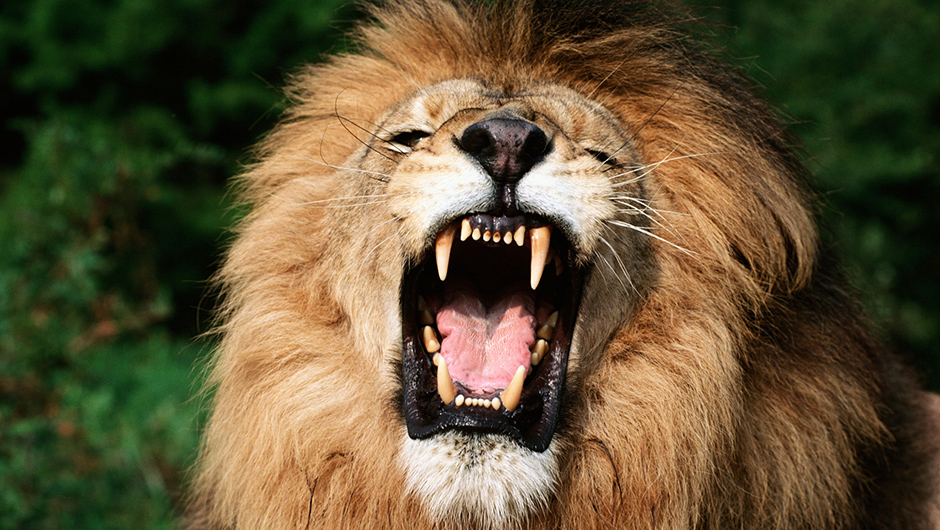
The natural world is teeming with a myriad of creatures, each exhibiting unique adaptations and survival strategies. Among them, certain animals evoke a profound sense of fascination and fear due to their lethal capabilities. The intrigue surrounding these dangerous animals often stems from their enigmatic behaviors, potent defense mechanisms, and the pivotal roles they play within their ecosystems. Delving into the realm of perilous fauna not only satiates our curiosity but also underscores the complex tapestry of life on Earth. Here, we present a list of the ten most dangerous animals, shedding light on their captivating attributes and the reasons behind their feared reputations.
1. Box Jellyfish
The box jellyfish reigns supreme in the oceans as one of the deadliest creatures known to humanity. With its translucent body and ethereal appearance, it may seem deceptively beautiful. However, its venomous tentacles, equipped with thousands of stinging cells, deliver a potent neurotoxin that can incapacitate a human in mere minutes. The box jellyfish is not only dangerous when encountered but is also emblematic of the myriad unseen dangers lurking in the ocean depths.
2. Saltwater Crocodile
The saltwater crocodile is the largest living reptile, reaching lengths of over 20 feet. Often lurking in brackish waters, these ambush predators have an extraordinary ability to blend into their environment. Their powerful jaws possess an unmatched bite force, rendering them formidable foes. Crocodiles pose a significant threat in certain regions, and their ancient lineage adds an element of intrigue, symbolizing a primordial era of predation that is still active today.
3. African Elephant
While the African elephant typically embodies tranquility, it is important to recognize its potential for aggression, particularly when threatened. Capable of reaching weights of over 6 tons, these magnificent giants wield strength beyond compare. Although they are herbivores, elephants can charge ferociously when provoked, leading to tragic encounters with humans. The contradiction of their gentle demeanor contrasted with their formidable might encapsulates the complexity of nature’s design.
4. Poison Dart Frog
The poison dart frog, with its vibrant hues, is a stunning yet lethal inhabitant of the rainforests. These amphibians produce potent toxins, which have been utilized by indigenous people to poison their dart tips for hunting. The irony lies in their diminutive size; such remarkable potency encapsulates the paradox of beauty intertwined with danger. The poison dart frog’s toxicity is a reminder of the enchanting yet perilous diversity of life forms that inhabit our planet.
5. Cone Snail
A seemingly innocuous marine organism, the cone snail possesses a highly specialized venom that can paralyze and kill prey with astonishing speed. Its beautifully patterned shell belies the treacherous harpoon-like tooth capable of delivering a lethal sting to unsuspecting victims. Fascination arises from the snail’s effective hunting strategy, which employs a combination of rapid action and toxicology, exemplifying the intricate evolutionary adaptations found in the underwater realm.
6. Mosquito
Perhaps the most ubiquitous assassin, the mosquito is responsible for transmitting diseases that claim millions of lives each year. Small but mighty, these diminutive pests orchestrate havoc through the spread of malaria, dengue fever, and Zika virus, showcasing the chilling notion that the smallest creatures can wield significant power. The obsession with thwarting these tiny harbingers of disease has resulted in an entire field of study dedicated to understanding their behavior, biology, and control methods.
7. Hippo
With their rotund bodies and seemingly benign nature, hippos may evoke a false sense of security; however, they are both territorial and incredibly aggressive. Known for their unpredictable temperaments, these massive mammals are responsible for more human deaths in Africa than any other large animal. Their powerful jaws can crush bones, and their ability to charge swiftly across land makes them a daunting presence in their natural habitats. This irony encapsulates how appearances can be deceiving, leaving us with a deeper appreciation of the inherent wildness of nature.
8. Great White Shark
The great white shark has long held its place as the apex predator of the ocean, equipped with impressive sensory adaptations and an unmatched predilection for hunting. Its formidable size, sharp teeth, and acute sense of smell evoke awe and terror alike. Although shark attacks are relatively rare, the mere thought of an encounter with such a magnificent yet menacing creature captivates the imagination, sparking a fascination that permeates popular culture.
9.andering….wrap half a paragraph
Despite its name, the inland taipan, or the “fierce snake,” resides primarily in the arid regions of Australia. Boasting the most toxic venom of any snake, a single bite can contain enough neurotoxins to kill multiple adult humans. Yet, it is notably reclusive, rarely encountered by humans, which adds an air of mystery to its reputation. The tenuous relationship between this snake and humans highlights the delicate balance of fear and respect that permeates our interactions with the natural world.
10. Brazilian Wandering Spider
This spider is infamous for its aggressive demeanor and potent venom, earning it a place among the world’s most dangerous arachnids. Found primarily in South America, it is known for its ability to wander widely in search of food, thus increasing the likelihood of human encounters. Its venom contains neurotoxins that can cause painful symptoms, although antivenom is available. The fascination with the Brazilian wandering spider lies not only in its lethal abilities but also in its role as a reminder of the ecological balance inherent in the world.
As our exploration of these dangerous animals comes to a close, it becomes clear that the allure of the perilous aspects of the natural world stems from a deep-rooted instinct—an interplay of respect, fear, and curiosity. While they embody threat, they also reveal the intricate realities of survival, adaptation, and the relentless forces governing the balance of life. Understanding these remarkable animals fosters a greater appreciation for the biodiversity that graces our planet and encourages us to coexist with these formidable beings with reverence and caution.






Leave a Comment