
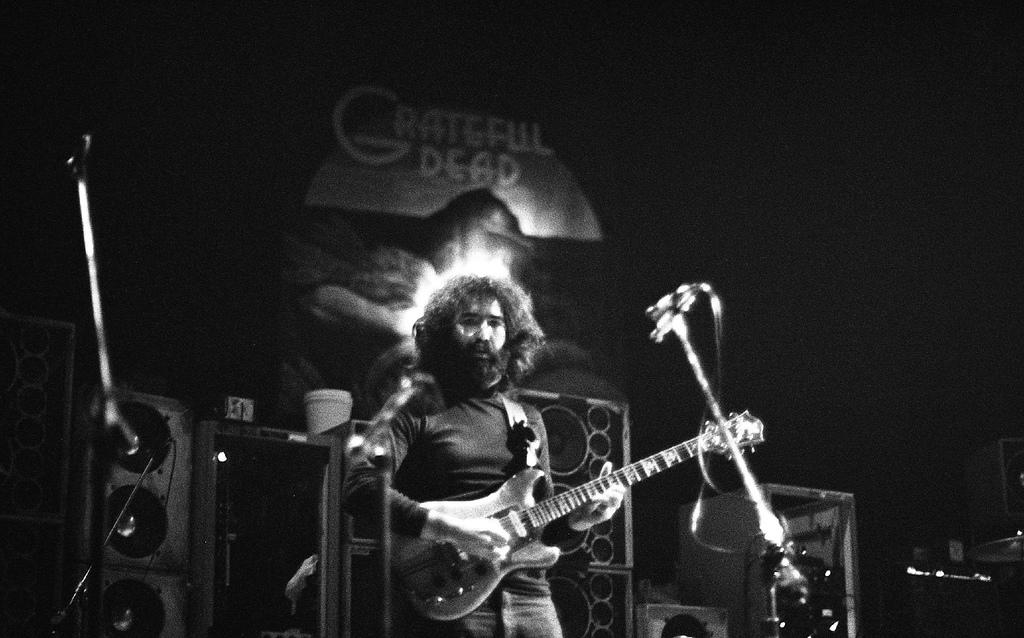
In the realm of music, few ensembles have captivated the hearts and mind of audiences like the Grateful Dead. Emerging from the San Francisco Bay Area in the 1960s, this legendary band is often celebrated for its unparalleled improvisational prowess, encapsulating the very essence of the jam band ethos. Here, we delve into the top 10 jam band essentials that define the Grateful Dead’s unique legacy and influence on the improvisational music scene.
1. The Unpredictable Setlists
One of the hallmarks of a Grateful Dead concert experience is the ever-changing setlist. Each performance is woven from a myriad of songs, often showcasing deep cuts alongside popular favorites. No two shows are alike; the spontaneity keeps devoted fans eagerly anticipating which tracks will make an appearance tonight. This level of unpredictability fosters a sense of community, where fans exchange tales of the setlists that changed their lives and where spontaneous renditions often lead to transcendent moments.
2. Extended Jams
The Grateful Dead is synonymous with lengthy jams that lift songs into a realm where time seems to dissolve. A signature characteristic of their sound, these improvisational segments can stretch for 20 minutes or more, allowing musicians to explore musical ideas in real-time. Guitarist Jerry Garcia and the band employ their unique harmonies and rhythmic complexities to seamlessly drift in and out of various genres—from psychedelic rock to jazz, blues, and folk—crafting an auditory journey that is exhilarating and unpredictable.
3. The Art of Improvisation
Improvisation is at the core of the Grateful Dead’s musical philosophy. Rather than adhering to a strict structure, each band member is encouraged to contribute spontaneously, resulting in a dynamic interplay of instruments and voices. This organic creation process allows for each performance to embody a unique mood, often reflective of the energy radiating from the audience. This collaborative essence rewrites the rulebook on live performances, emphasizing that music is as much a communal experience as it is an individual expression.
4. Diverse Musical Influences
Incorporating an eclectic medley of musical genres and styles has enriched the Grateful Dead’s repertoire. Early on, they fused folk and rock with elements of jazz, blues, bluegrass, and even classical. This eclecticism not only expands the band’s soundscape but also appeals to a diverse audience. Their ability to seamlessly blend these styles, often within a single jam, paves the way for thrilling explorations and invites listeners into their expansive sonic universe.
5. Audience Engagement
The symbiotic relationship between the Grateful Dead and their fervent fan base is palpable at live shows. The band thrives on audience energy, using it to enhance their performances. This connection is evident when spontaneous moments, such as sing-alongs or call-and-response segments, ignite the crowd. The Dead have famously cultivated a culture of “heady” experience, encouraging fans to immerse themselves in the music rather than simply spectate, thus creating an atmosphere imbued with collective joy and connection.
6. Iconic Imagery
The Grateful Dead’s aesthetic sensibility is inextricably intertwined with their musical identity. From the iconic skull and roses logo designed by artist Stanley Mouse to the vibrant album cover art, visual motifs have been a significant aspect of their brand. This rich imagery evokes a sense of adventure and freedom, resonating with fans through multiple mediums, including posters, t-shirts, and merchandise. The blend of visual art and music crafts a holistic experience that resonates deeply within the Grateful Dead community.
7. Legendary Live Albums
A cornerstone of the Grateful Dead’s legacy is their extensive discography of live albums. Capturing the raw energy and improvisational spirit of their concerts, these recordings serve as a testament to the band’s ability to reproduce the magic of their performances. Albums like “Europe ’72” and “Live/Dead” showcase the band’s unparalleled skill and creativity, immortalizing epic jams and unforgettable moments in music history. These live recordings serve not only as nostalgia but as living documents of the band’s evolution, both personally and collectively.
8. The Influence of the Deadhead Culture
Born from the Grateful Dead’s unique concert experiences, the Deadhead culture embodies a sense of community, connection, and kinship among fans. This phenomenon transcends mere fandom, forming lifelong friendships and fostering a vibrant subculture that cherishes the ethos of love, peace, and musical exploration. Interaction with fellow fans through trading tapes, attending shows, and participating in “Dead”-themed festivals celebrates an enduring legacy rooted in camaraderie and shared experience.
9. The DIY Ethos
The Grateful Dead pioneered a do-it-yourself ethos that revolutionized the music industry. From their grassroots promotions to their embrace of taping concerts, the band cultivated an inclusive environment that fostered fan engagement and loyalty. This ethos resonates deeply in today’s independent music landscape, inspiring countless artists to interact with their audiences on a grassroots level, demonstrating that music can flourish outside the confines of commercialized models.
10. Lasting Legacy
Even decades after their inception, the Grateful Dead’s influence persists across musical genres and continues to inspire a new generation of artists and fans alike. Contemporary jam bands often cite the Dead as a pivotal influence, drawn to their mastery of improvisation and eclecticism. With tribute bands, festivals, and continued interest in their extensive catalog, the Grateful Dead’s legacy remains vibrant, inviting listeners to embark on their personal odysseys through sound.
The tapestry woven by the Grateful Dead is rich and intricate, symbolizing the joys of musical exploration and community connection. Their enduring essence serves as a reminder of how music transcends mere entertainment; it cultivates experience, relationship, and shared adventures. In this space of reverie and improvisation, the Grateful Dead firmly resides as a quintessential icon in the jam band landscape.







Leave a Comment