
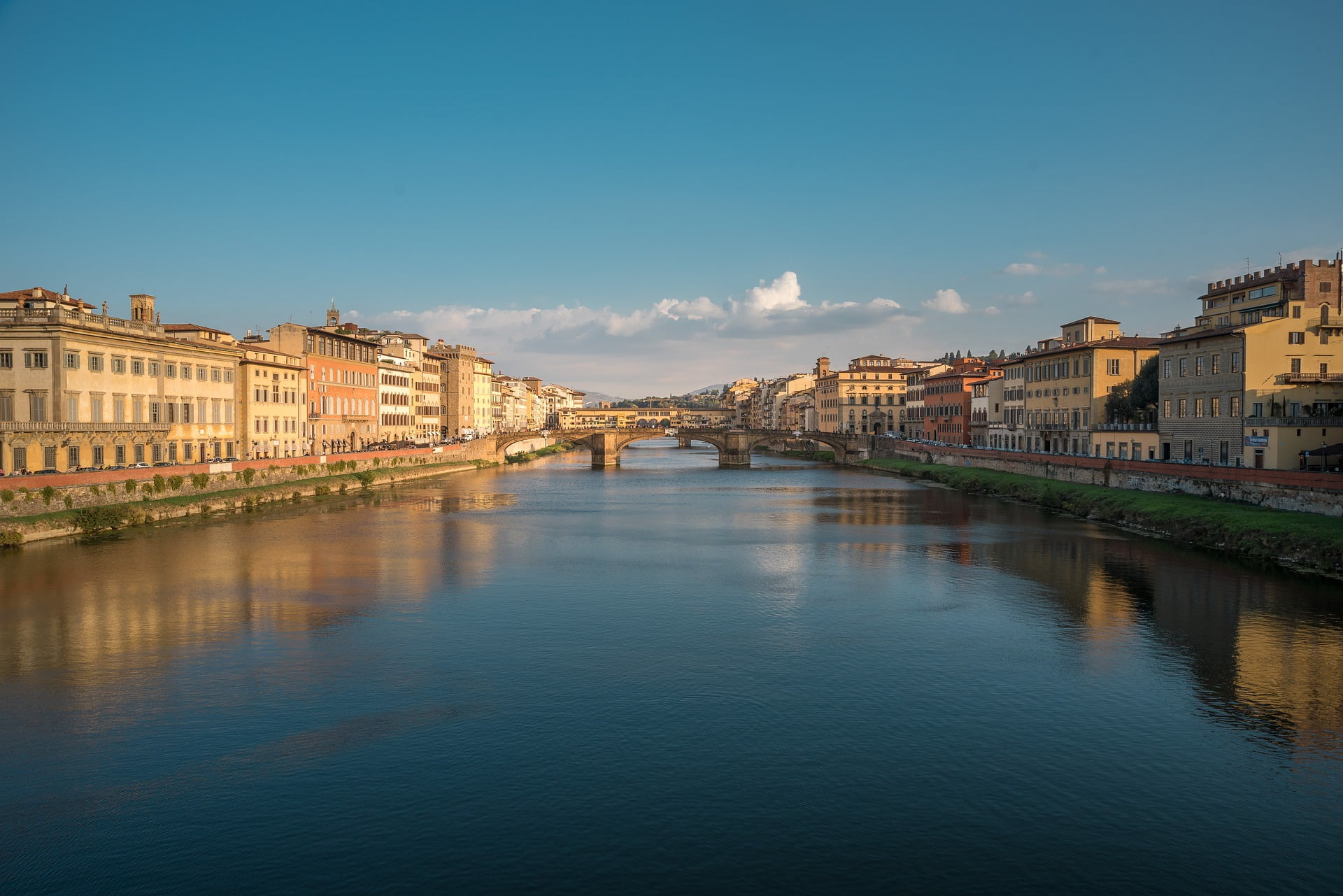
Florence, the capital of Italy’s Tuscany region, is a veritable treasure trove of art, architecture, and history, beckoning travelers from all corners of the globe. With its enchanting ambiance, this city promises not only breathtaking sights but also a transformative experience that fosters a profound appreciation for the Renaissance and beyond. Below is a curated list of the top ten attractions that encapsulate the essence of Florence, each inviting visitors to uncover layers of beauty and historical significance.
1. The Duomo – Santa Maria del Fiore
At the heart of Florence lies the iconic Florence Cathedral, or the Duomo, a masterpiece of Gothic architecture crowned by its stunning dome designed by Filippo Brunelleschi. Standing tall against the Florentine skyline, the dome itself is an engineering marvel and symbolizes the ingenuity of the Renaissance. Visitors are inspired by intricately tiled façades, meticulously painted frescoes, and the opportunity to climb to the dome’s pinnacle, where panoramic views of the city await.
2. Uffizi Gallery
As one of the finest art museums in the world, the Uffizi Gallery is an art lover’s paradise, housing an extensive collection of works from the Italian Renaissance. The museum boasts masterpieces by titans such as Botticelli, Michelangelo, and Leonardo da Vinci. Walking through its hallowed halls, one can almost hear the whispers of creativity echoing through time, making it an immersive journey through the evolution of art in Florence.
3. Ponte Vecchio
This medieval stone bridge, adorned with picturesque shops, elegantly spans the Arno River. The Ponte Vecchio is not just a crossing; it is a living relic of Florence’s past. Originally built in 1345, it has been a marketplace for jewelry and goldsmiths for centuries, steeped in stories of merchants and artisans. Strolling across the bridge offers not only a glimpse into Florentine commerce but also an unparalleled view of the sunset reflecting off the river’s tranquil waters.
4. Palazzo Vecchio
An emblem of civic power, the Palazzo Vecchio is a fortress-like town hall that represents the heart of Florence’s political life. Its imposing façade, adorned with intricate sculptures and heraldry, invites curiosity about the dramas and decisions that unfolded within its walls over the centuries. Inside, lavishly decorated rooms, including the Salone dei Cinquecento, reveal opulent frescoes and lavish tapestries, providing insight into the Medici family’s influence on Florence.
5. Accademia Gallery
Home to Michelangelo’s iconic statue of David, the Accademia Gallery is a pilgrimage site for admirers of Renaissance art. This monolithic representation of human perfection captures an unwavering spirit and embodies the artistic ideals of the period. Beyond David, the gallery showcases a collection of unfinished works, including Michelangelo’s “Prisoners,” allowing visitors to peer into the sculptor’s creative process and the raw beauty of art in the making.
6. Boboli Gardens
Adjacent to the Pitti Palace, the Boboli Gardens offer a serene escape into an expanse of verdant beauty, artfully designed in the style of Italian gardens. With vistas that unfold into the distance and a variety of statues, fountains, and grottos dotting the landscape, the gardens are not only a feast for the eyes but also a sanctuary for reflection. Walking through the pathways, one can immerse in the tranquility that has captivated Florentines for centuries.
7. Santa Croce Basilica
This Franciscan church, known as the Temple of Italian Glories, serves as the final resting place for illustrious figures such as Michelangelo, Galileo, and Machiavelli. With its stunning Gothic façade and richly adorned interiors, Santa Croce is a cultural repository. Its serene atmosphere invites contemplation, allowing visitors to connect with the profound influence of these luminaries on both Florence and the broader tapestry of history.
8. Mercato Centrale
For food enthusiasts, the Mercato Centrale offers an authentic taste of Florentine culinary culture. This bustling market is alive with vibrant stalls selling fresh produce, artisan cheeses, local wines, and handmade pasta. As visitors navigate through the sensory experience of flavors and aromas, they encounter the warmth of Tuscan hospitality, making it a must-visit to appreciate both traditional and modern Italian gastronomy.
9. Piazzale Michelangelo
Perched high above the city, Piazzale Michelangelo provides one of the most breathtaking panoramic views of Florence. As the sun dips below the horizon, casting golden hues over the iconic skyline, this spot becomes a cherished viewpoint for photographers and romantics alike. The experience encapsulates a moment of tranquility and reflection, prompting visitors to consider the beauty and splendor of this historical enclave.
10. Church of San Lorenzo
The church of San Lorenzo, with its understated façade, may initially appear modest, but it harbors remarkable artistic treasures. Designed by Filippo Brunelleschi, it features breathtaking interior chapels adorned with artworks by renowned artists. The adjoining Medici Chapels serve as a mausoleum for the powerful Medici family, and their opulent decorations reflect the heights of Renaissance artistry, embodying the family’s substantial imprint on Florence’s social and cultural fabric.
Exploring Florence is more than just visiting attractions; it is an invitation to experience a shift in perspective. With every step through its cobblestone streets, visitors are transported back in time, ignited by an unquenchable curiosity to delve deeper into the city’s layered history. Whether through its art, architecture, or everyday life, Florence continues to captivate, promising an unforgettable journey that will linger in memory long after the visit has ended.






Leave a Comment