
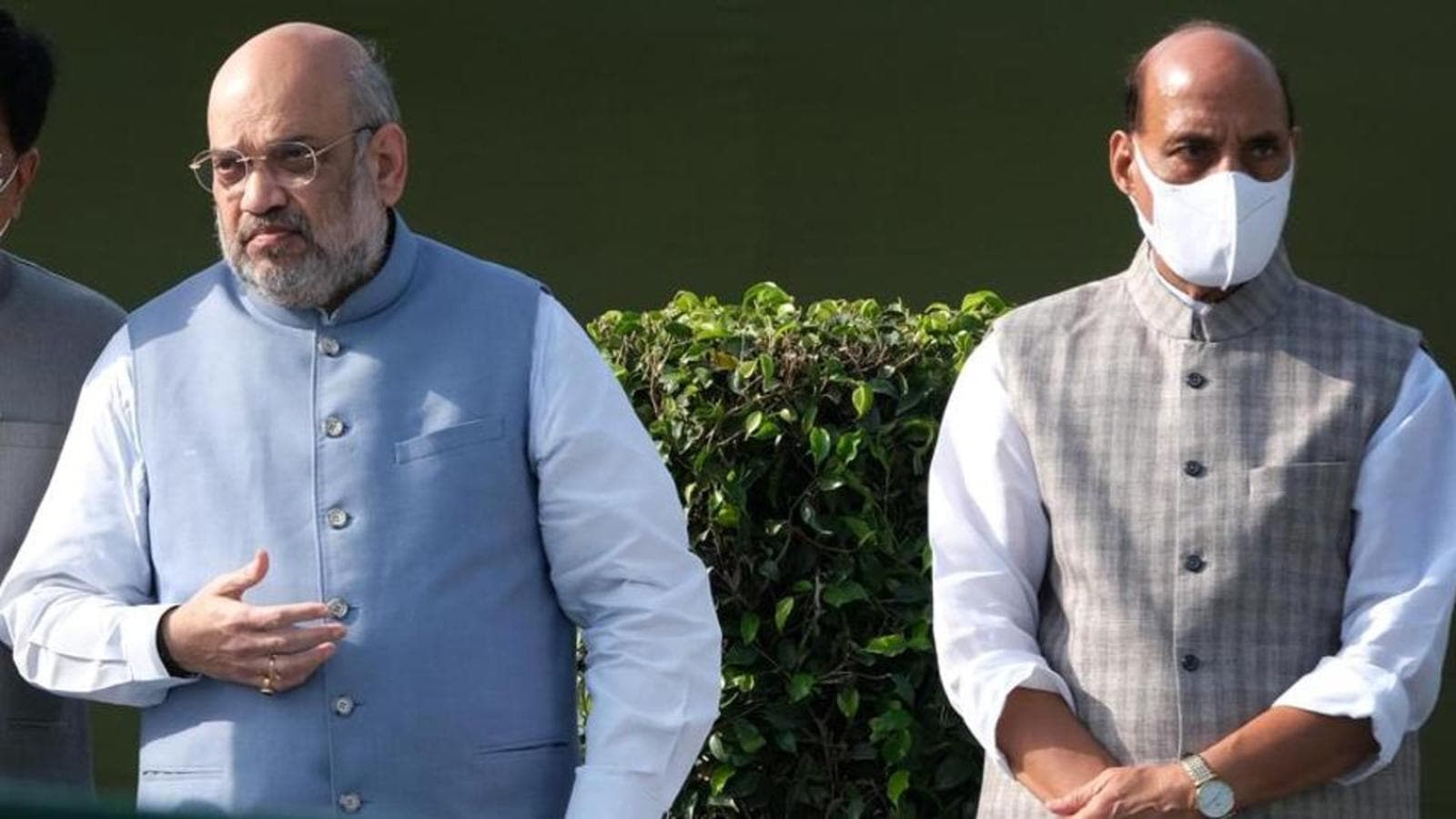
India’s political landscape is as dynamic as it is intricate, with the Bharatiya Janata Party (BJP) standing out as a preeminent force since its inception. With a cadre of influential leaders, the BJP has orchestrated a significant transformation in Indian politics. Here, we explore the top ten leaders within the BJP, examining their contributions, influence, and the unique attributes that make them power players in the Indian political arena.
1. Narendra Modi
At the helm of the BJP, Narendra Modi serves as the Prime Minister of India. His leadership style is characterized by a blend of assertiveness and vision. Modi’s pivotal achievements, such as the implementation of the Goods and Services Tax (GST) and the ‘Make in India’ initiative, reflect his commitment to economic reform. His charisma and oratory skills have galvanized the party’s base, making him a formidable figure both domestically and on the international stage.
2. Amit Shah
Amit Shah, often referred to as the party’s architect, has played a crucial role in strategizing electoral victories. As the former president of the BJP and the current Union Home Minister, Shah’s political acumen is unparalleled. His adeptness in grassroots mobilization and his meticulous approach to party organization have invigorated the BJP’s electoral machinery. Shah’s recent emphasis on security and national integrity resonates with a large segment of the populace, augmenting his stature as a key decision-maker.
3. Rajnath Singh
Rajnath Singh, the current Defence Minister, has had a long and distinguished career in politics. His tenure includes significant developments in defense policy and national security. Known for his soft-spoken demeanor, Singh balances assertiveness with diplomacy, often acting as a mediator in party disputes. His extensive experience in administration and governance lends credibility to his leadership within the party.
4. Nirmala Sitharaman
Nirmala Sitharaman’s ascent to the position of Finance Minister marked a historic moment as she became the first woman to hold the office. Her policies reflect a progressive approach towards economic management, especially in challenging circumstances. Sitharaman’s focus on fiscal discipline and encouragement of startups represents a vision for India’s economic resurgence. Her analytical prowess and adept handling of financial crises underscore her integral role in the BJP’s cabinet.
5. Yogi Adityanath
As the Chief Minister of Uttar Pradesh, Yogi Adityanath wields significant influence due to the size and strategic importance of the state. His assertive governance style and focus on law and order resonate with a large portion of the electorate. Adityanath’s staunch advocacy for Hindutva has bolstered the BJP’s identity politics, fostering a strong connection with its base. His focus on infrastructure development and investment in social schemes highlights his commitment to comprehensive governance.
6. Smriti Irani
Smriti Irani, Minister for Women and Child Development, possesses a unique blend of resilience and tenacity, having risen from a television actress to a prominent political leader. Her emphasis on women’s empowerment and her policies aimed at enhancing child welfare illustrate her commitment to creating social change. Irani’s articulate ability to connect with the masses has made her a prominent face of the BJP, especially among women voters.
7. Piyush Goyal
Piyush Goyal, the Minister of Commerce and Industry, has been pivotal in enhancing India’s trade position globally. His focus on initiatives like ‘Digital India’ and fostering a conducive environment for foreign investment reflects his forward-thinking approach. Goyal’s expertise in negotiations and policy formulation has positioned India as a competitive player in the global market, earning him respect and recognition within the party and beyond.
8. Dharmendra Pradhan
Dharmendra Pradhan, the Minister of Petroleum and Natural Gas, has made significant strides in energy policy. His initiatives to enhance energy security and promote renewable sources underline the BJP’s commitment to sustainable development. Pradhan’s strategic foresight in leveraging India’s energy resources signifies his importance in the party’s vision for a future-oriented India. His grassroots engagement has also solidified the BJP’s stronghold in various regions.
9. Mukhtar Abbas Naqvi
Mukhtar Abbas Naqvi, serving as the Minister of Minority Affairs, represents the party’s inclusive approach to governance. His policies aim at enhancing the welfare of minority communities, promoting education and empowerment. Naqvi’s articulate defense of the BJP’s stance on communal harmony and minority rights showcases his role as a bridge-builder among diverse communities. His experience and understanding of social dynamics make him an invaluable asset to the party.
10. Anurag Thakur
Anurag Thakur, the Minister of Information and Broadcasting, embodies the youthful dynamism of the BJP. His emphasis on digital innovation and media engagement illustrates a contemporary approach to governance. Thakur’s role in enhancing India’s soft power through cultural diplomacy underlines his strategic importance. His charismatic appeal to younger voters is pivotal in ensuring the party’s relevance in a rapidly evolving political environment.
In conclusion, the BJP’s resilience and adaptability in the ever-changing arena of Indian politics can be largely attributed to the leadership of these ten influential figures. Each leader brings a unique tapestry of skills and experiences, contributing to a holistic vision for India’s future. As India navigates through challenges and opportunities, these leaders will undoubtedly play a crucial role in shaping the nation’s trajectory.







Leave a Comment