
Australia is renowned for its breathtaking landscapes, vibrant ecosystems, and an astonishing array of wildlife, but it is also infamous for harboring some of the deadliest animals on the planet. From venomous serpents to agile predators, these creatures exemplify nature’s formidable power. Below, we explore the top ten deadliest animals in Australia, highlighting their unique attributes and the potential dangers they pose to humans.
1. Box Jellyfish
The box jellyfish is often regarded as the most dangerous marine creature in the world. Found predominantly in the northern waters of Australia, its translucent, bell-shaped body can be almost invisible in the water. The tentacles, which can stretch up to 10 feet long, are covered in thousands of nematocysts that deliver a venomous sting. This venom can cause excruciating pain, heart failure, and even death within minutes if not treated promptly. Swim with caution in jellyfish-prone areas, particularly during the warmer months.
2. Inland Taipan
Known as the “fierce snake,” the inland taipan is revered and feared for its potent venom, the most toxic of any snake. This elusive creature is primarily found in the arid regions of central Australia. Despite its lethality, the inland taipan is reclusive and rarely encounters humans. However, a single bite can deliver enough venom to kill multiple adult humans, overwhelming the nervous system and provoking paralysis. Its beautiful coloration, featuring a mix of browns and greens, makes this snake an intriguing but deadly specimen.
3. Stonefish
Camouflaged to perfection, the stonefish is a master of disguise, blending seamlessly into the rocky seabeds and corals where it resides. Equipped with 13 venomous spines along its dorsal fin, stepping on one can result in excruciating pain that can last for hours. The venom not only causes intense localized pain but can also lead to paralysis and tissue death if left untreated. Its ambush predatory behavior and ability to remain undetected make it a formidable threat to unwary swimmers and snorkelers.
4. Blue-ringed Octopus
Despite its small size, the blue-ringed octopus wields a deadly arsenal of neurotoxins, capable of paralyzing prey and humans alike within minutes. Found in tide pools and shallow waters, its vibrant blue rings serve as a warning to would-be predators. The venom contains tetrodotoxin, which blocks nerve signals and halts breathing, potentially leading to respiratory failure. With no known antidote, encounters with this seemingly innocuous creature can be fatal. Caution is paramount when exploring rock pools along the coast.
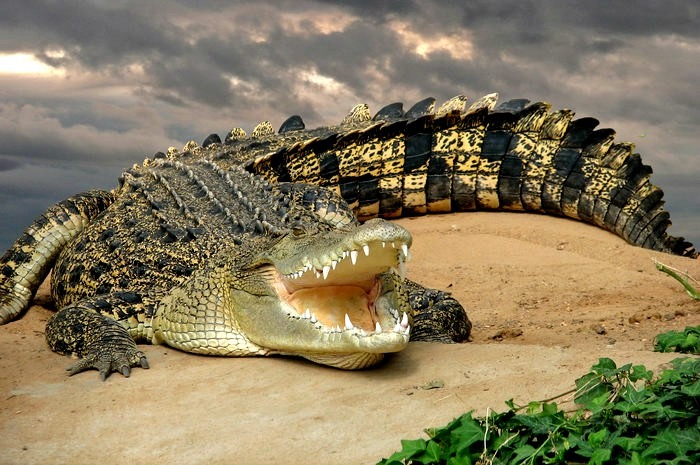
5. Saltwater Crocodile
The saltwater crocodile is the largest living reptile and one of the most dangerous animals in Australia. Found in coastal regions, rivers, and estuaries, these apex predators are known for their size, strength, and ambush hunting techniques. They can reach lengths of over 20 feet and weigh more than 2,000 pounds. Their bite force is unparalleled, capable of crushing bones and inflicting critical injuries. Swim or wade in their territory at your peril; these creatures are stealthy and can strike with lethal speed.
6. Funnel-web Spider
As one of the most venomous spiders globally, the funnel-web spider is indigenous to eastern Australia. Armed with a potent venom that affects the human nervous system, a bite can induce severe symptoms, including muscular spasms and uncontrollable salivation. These spiders are easily recognizable by their glossy black bodies and distinctive webs, shaped like a funnel. Although antivenom exists, immediate medical attention is crucial to prevent serious consequences.
7. European Hornet
While not native, the European hornet’s presence is increasingly felt in Australia. These aggressive wasps can deliver painful stings, and their venom is known to cause allergic reactions or anaphylactic shock in susceptible individuals. With the ability to sting multiple times, their aggression can pose a serious threat, especially to those sensitive to insect venoms. Approach their nests with caution; a swarm can result in multiple stings, delivering an agonizing reminder of their ferocity.
8. Great White Shark
The great white shark refines the archetype of the ocean’s apex predator. With impressive size and unparalleled strength, it hunts various marine species, including seals and fish. Although attacks on humans are rare, encounters can be catastrophic. This species is known for its powerful jaws and serrated teeth that can inflict severe injuries. Efforts to understand their behavior have shed light on their patterns, yet the mystery and awe surrounding these majestic creatures remain captivating.
9. Tiger Snake
Native to coastal regions and islands, the tiger snake is notorious for its potent venom and aggressive nature when threatened. Usually measuring around 3 to 8 feet in length, its coloration can vary greatly, ranging from banded to solid patterns. The venom is neurotoxic and coagulopathic, causing coagulopathy and neurologic trauma in victims. This adaptable snake is often found in populated areas, making caution crucial in areas where they may be present.
10. Irukandji Jellyfish
No discussion of deadly Australian animals would be complete without mentioning the irukandji jellyfish, a microscopic menace that packs a powerful punch. Found in northern waters, its sting can induce irukandji syndrome, characterized by severe pain, hypertension, and potentially life-threatening complications. The tiny size and nearly transparent nature of this jellyfish make it particularly insidious, as most victims do not know they have been stung until symptoms arise. Swimming in areas inhabited by these jellyfish calls for vigilance.
Australia’s diverse ecosystems are home to a remarkable variety of deadly creatures. Each of these animals plays a vital role in maintaining the delicate balance of their habitats. Knowledge and respect for these magnificent yet formidable beings can enhance our appreciation while ensuring our safety when exploring the great outdoors. Always prioritize caution and awareness in the wild, where nature’s wonders and dangers coexist in breathtaking harmony.






Leave a Comment