
Short Answer
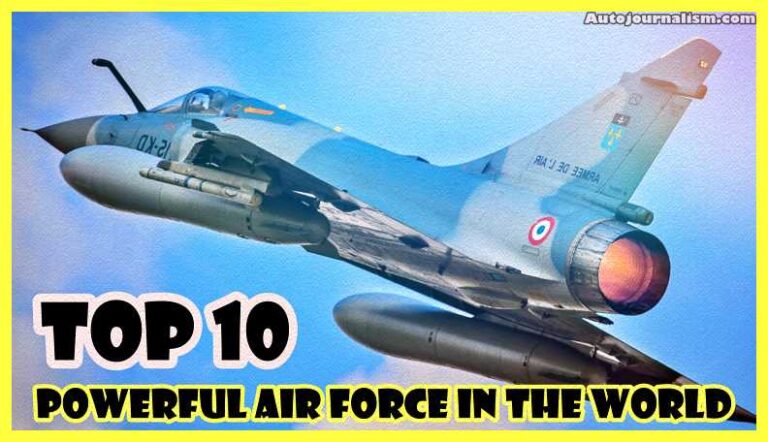
The allure of air superiority has captivated nations and military strategists alike for centuries. The reach and power of air forces around the globe not only define the military might of a country but also serve as a testament to its technological prowess and strategic vision. As we venture into 2026, the landscape of air power is shifting dramatically. Here is a detailed exploration of the top ten air forces worldwide, illustrating not just their capabilities, but also the intricate tapestry of factors that endow them with their formidable strength.
1. United States Air Force (USAF)
The USAF remains unparalleled in its comprehensive air power, characterized by its advanced stealth capabilities and unmatched global reach. With a robust arsenal, including the F-35 Lightning II and the B-21 Raider, the United States leads in technological innovation. Its budget, vastly overwhelming compared to others, allows for continuous advancements in training and equipment, ensuring that the USAF maintains its dominance across the high seas and skies.
2. Russian Air Force
Next in line is the Russian Air Force, distinguished by its impressive legacy and diverse inventory. The latest additions—the Su-57 stealth fighter and the Tu-160 strategic bomber—have reaffirmed Russia’s status as a military titan. Coupled with robust ground-to-air missile systems like the S-400, the potency of Russia’s aerial defense is formidable. Their significant emphasis on pilot training further deepens their capabilities, creating a powerful deterrent against potential adversaries.
3. People’s Liberation Army Air Force (PLAAF), China
China’s ascent in aeronautical prowess cannot be overlooked. The PLAAF’s rapid modernization, especially with the introduction of the Chengdu J-20 stealth fighter, enhances its capacity for regional dominance. China’s aggressive approach to air force expansion illustrates a calculated maneuver to secure territorial integrity and project power. Moreover, their indigenously developed systems signify a commitment to achieving self-sufficiency in defense technology.
4. Indian Air Force (IAF)
The Indian Air Force has steadily expanded its technological footprint to solidify its position in South Asia. With a mix of indigenous designs such as the HAL Tejas and acquisitions like the Rafale fighters, the IAF balances modernization and tradition. Its strategic partnerships with nations such as France and the US reflect a broader geopolitical strategy aimed at ensuring security. Furthermore, the IAF’s ongoing commitment to enhancing its airlift capabilities significantly bolsters its operational reach.
5. Royal Air Force (RAF), United Kingdom
The Royal Air Force retains its legendary status rooted in historical significance and contemporary relevance. The advent of the F-35B Lightning II into their fleet symbolizes Britain’s commitment to remaining at the forefront of military aviation technology. The RAF’s strategic focus on quick response times and joint operations—often in conjunction with NATO allies—makes it an indispensable component of modern warfare logistics and communication.
6. French Air and Space Force
France’s Air and Space Force exemplifies versatility and innovation within the European context. The integration of cutting-edge platforms like the Rafale and the upcoming Next Generation Fighter System signifies a proactive stance against evolving threats. Furthermore, France’s commitment to maintaining an independent nuclear deterrent showcases its strategic autonomy. The collaborative initiatives within the European Union, particularly regarding aerial defense, further amplify its relevance on the international stage.
7. Israeli Air Force
Israel’s Air Force is lauded for its agility and tactical acumen, often relying on technology and quick decision-making rather than sheer numbers. An innovative military culture fuels its advancements, allowing for rapid integration of systems such as the F-35. Moreover, Israel’s unique operational requirements, driven by constant security threats, necessitate exceptional training and improvisational skills among its pilots, making the Israeli Air Force a significant regional player.
8. Brazilian Air Force
The Brazilian Air Force, although small in comparison to its global counterparts, demonstrates remarkable efficiency and regional influence. Its diverse fleet, highlighted by the Gripen fighters, illustrates an ambition to enhance operational effectiveness while simultaneously supporting domestic aerospace development. Brazil’s strategic partnerships, particularly within South America, solidify its regional air defense while fostering a collaborative environment focused on collective security.
9. Turkish Air Force
As Turkey’s geopolitical influence expands, so too does the power of its Air Force. The Turkish Air Force, which boasts advanced fighters such as the F-16 and the newly developed TF-X stealth aircraft, underscores Turkey’s strategic aspirations. Focused on enhancing domestic capabilities while navigating complex regional dynamics, the Turkish Air Force aims to solidify its position as a key player amidst shifting alliances and emerging threats.
10. Japanese Air Self-Defense Force (JASDF)
Finally, the Japan Air Self-Defense Force stands out for its emphasis on technological advancement and regional stability. With a focus on DJ-20 fighters and extensive training programs, the JASDF is actively working to enhance its capabilities in the face of North Korean provocations and regional tensions. The collaboration with the United States in areas such as missile defense underlines Japan’s commitment to protecting its sovereignty while facilitating a broader security framework in Asia.
In conclusion, the air forces listed above manifest the evolving dynamics of global military power. The fascination with air superiority extends beyond the realm of warfare; it encapsulates national pride, technological advancement, and strategic deterrence. Each air force tells a unique story of national ambition and adaptation amidst the ever-changing landscape of international relations, making the exploration of their evolution both compelling and essential for understanding the future of global security.
FAQ
What makes the United States Air Force dominant?
Its unparalleled budget, advanced stealth technology, extensive training, and global operational reach make it the dominant air force.
How has China’s air force evolved recently?
China’s PLAAF has rapidly modernized with new stealth fighters like the Chengdu J-20 and aims for self-sufficiency in defense technology.
Why is pilot training important in air force power?
Highly trained pilots ensure effective use of advanced aircraft and can adapt quickly to evolving combat scenarios, enhancing overall air power.




Leave a Reply