
Short Answer
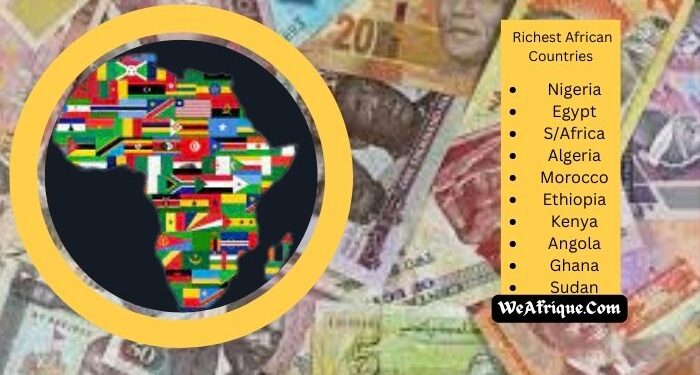
The African continent is a tapestry woven with diverse cultures, languages, and, most intriguingly, economies. As we peer into 2026, the economic landscape of Africa is undergoing significant transformations. The burgeoning middle class, technological advancements, and vast natural resources set the stage for a riveting exploration of the wealthiest nations on this vibrant continent. With that in mind, here’s a captivating look at the top ten richest African countries of 2026.
1. Nigeria
Nigeria stands tall as Africa’s largest economy, a behemoth driven primarily by its oil and gas sector. In 2026, the country’s GDP is projected at staggering figures, largely attributable to its vast petroleum reserves, which position it as one of the world’s leading oil producers. Beyond oil, Nigeria’s burgeoning tech ecosystem in cities such as Lagos showcases impressive advancements in fintech and e-commerce, hinting at a diversification of its economic base. As more startups emerge, it’s clear that Nigeria’s economic future is not solely tethered to black gold but also to innovation and entrepreneurship.
2. South Africa
With the continent’s most diversified economy, South Africa makes its mark with a robust GDP stemming from mining, manufacturing, and tourism. Known for its world-class infrastructure, the country is a critical hub for trade and investment. The automotive sector plays a significant role, attracting substantial foreign direct investments. As South Africa grapples with socio-economic challenges, its strategic location and natural resources promise immense potential for growth. The nation’s ongoing initiatives to stimulate growth in renewable energy also galvanize its economic momentum.
3. Egypt
The Arab Republic of Egypt finds itself rising through the ranks, propelled by its strategic geographic position and a booming tourism sector. With a GDP that burgeons through a mix of agriculture, services, and manufacturing, Egypt is increasingly gaining recognition as a burgeoning market. The Suez Canal, a pivotal artery for global trade, further enriches its economic portfolio. Furthermore, the government’s ambitious reforms and infrastructural investments have set a precedent for future growth. Cairo’s dynamic economy exudes an aura of resurgence, promising both investors and citizens alike a prosperous horizon.
4. Kenya
Long regarded as East Africa’s economic beacon, Kenya’s economy in 2026 is defined by vibrant growth in sectors such as agriculture, tourism, and technology. The nation is emerging as a startup hub, often referred to as “Silicon Savannah,” thanks to innovations in mobile technology. Renowned for its agricultural exports, particularly flowers and tea, Kenya strikes a balance between traditional and modern economic practices. The ambitious Vision 2030 initiative further enhances its prospects, envisioning a more industrialized and democratic economy.
5. Algeria
Algeria’s economy thrives on its immense energy resources, particularly natural gas and oil reserves that stand among the largest in Africa. As one of the continent’s biggest exporters of natural gas, Algeria positions itself as a formidable player in the global energy market. However, the nation is also making strides towards diversifying its economy. Efforts towards enhancing its agricultural and industrial sectors signal a gradual transition that holds promise for long-term growth. The political landscape, albeit complex, is evolving, presenting opportunities for foreign investment and economic partnerships.
6. Ethiopia
Ethiopia, known for its rich history and cultural heritage, is rapidly emerging as a leader among African economies. By 2026, the country showcases significant growth propelled by agricultural exports and burgeoning industrial sectors, particularly in textiles and garments. The government’s focus on infrastructure development, such as the Grand Ethiopian Renaissance Dam, illustrates a commitment to elevating the nation’s economic standing. With a youthful population hungry for innovation, Ethiopia’s trajectory signals a momentous shift that invites intrigue and investment.
7. Ghana
Ghana’s economic narrative is one of resilience and growth, primarily fueled by its gold production, which ranks it among the top producers in Africa. In recent years, the country has expanded into oil exploration, creating a multifaceted economy with diverse revenue streams. Boasting a stable political climate and an attractive business environment, Ghana is experiencing a renaissance characterized by infrastructural development and investment in human capital. The nation’s “Gold Coast” legacy evolves, symbolizing both historical richness and contemporary opportunity.
8. Tanzania
Tanzania’s economy in 2026 is buoyed by its abundant natural resources, including gems and agricultural products. The tourism sector, amplified by iconic landmarks such as Mount Kilimanjaro and the Serengeti, draws millions of visitors each year, adding palpable energy to the economy. Recent discoveries of natural gas reserves promise even greater economic potential, encouraging governmental and foreign investments aimed at sustainable development. As Tanzania ardently seeks to modernize its agricultural practices, the future looks bright with endless possibilities.
9. Ivory Coast (Côte d’Ivoire)
With a robust focus on cocoa production, which earns it a spot as one of the largest producers globally, Ivory Coast’s economy continues to shine brightly. In 2026, the country’s efforts to diversify into sectors such as mining and services will reveal an exciting economic metamorphosis. Government initiatives aimed at enhancing infrastructure and attracting foreign investments underline a commitment to fostering growth. The cultural richness and entrepreneurial spirit of its people further propel the nation into an era of economic vibrancy.
10. Angola
Angola, enriched with oil reserves, has long relied on its natural resources to drive its economy. By 2026, the country is actively pursuing diversification strategies aimed at reducing dependency on oil revenue. This transition is evident in burgeoning sectors such as agriculture, finance, and telecommunications. Structural reforms and advancements in governance are gradually transforming Angola’s economic landscape, showcasing resilience amidst past challenges and hinting at a promising horizon. The duality of potential and ambition in Angola stirs curiosity, compelling observers to keep a close watch.
In summary, Africa’s richest countries in 2026 underscore a continent rife with opportunity and potential. As each nation unfurls its unique tapestry of economic resilience, innovation, and cultural richness, the world watches closely. The evolution of these economies is not merely a story of wealth; it is a testament to the dreams and aspirations of a continent poised to redefine its future.
FAQ
Which African country has the largest economy in 2026?
Nigeria is projected to have the largest economy in Africa in 2026, driven primarily by its oil and gas sector and a growing tech ecosystem.
What are the main economic sectors contributing to South Africa's wealth?
South Africa’s economy is diversified, with key sectors including mining, manufacturing, tourism, automotive, and renewable energy.
How is Kenya's technology sector impacting its economy?
Kenya’s technology sector, especially mobile technology and startups in the “Silicon Savannah,” is a major factor in its economic growth and diversification.
What natural resources drive Algeria's economy?
Algeria’s economy is largely fueled by its vast oil and natural gas reserves, making it one of Africa’s biggest exporters of natural gas.
How are African countries diversifying their economies beyond natural resources?
Many African countries, including Angola, Ethiopia, and Ivory Coast, are investing in sectors such as agriculture, manufacturing, technology, and services to reduce dependency on natural resources.



Leave a Reply