
Short Answer
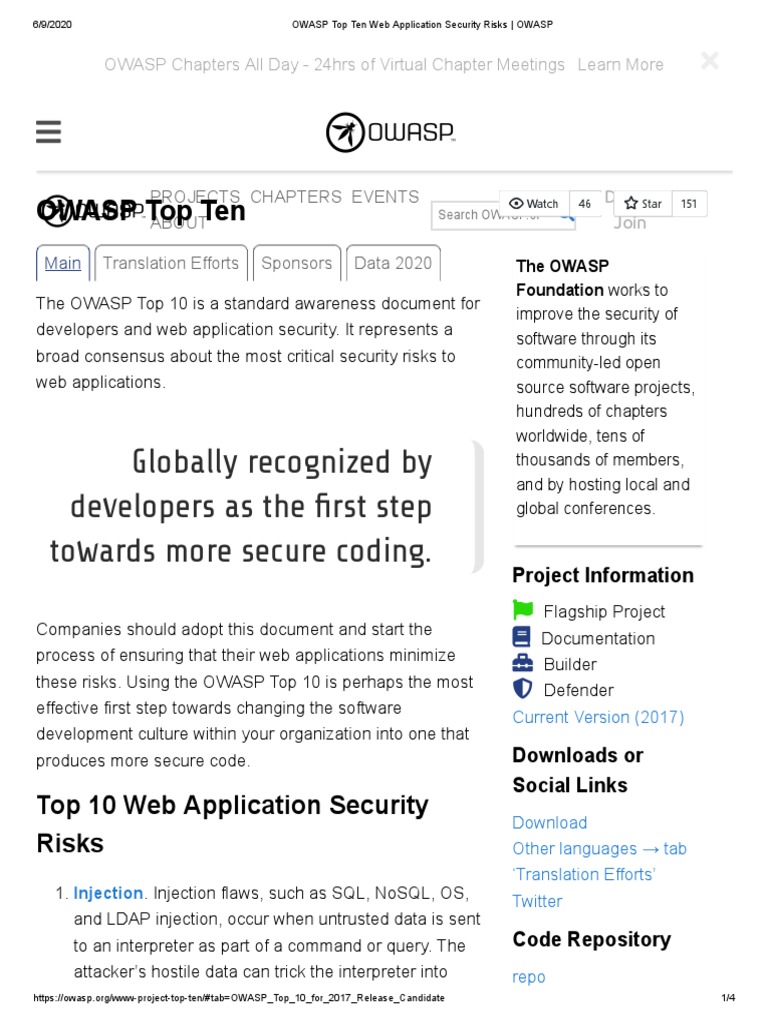
The digital landscape is ever-evolving, continuously presenting new threats that can compromise the security of web applications. As developers and organizations strive to create safe, engaging user experiences, they must also contend with an array of vulnerabilities that can undermine their reputations and, more importantly, endanger user data. Have you ever wondered what dangers lurk behind the pixels? In 2026, the OWASP Foundation unveiled the latest vulnerabilities that haunt web applications, emphasizing the critical need for vigilance in an increasingly complex cyber environment. Below, we explore the top 10 vulnerabilities that every developer should be acutely aware of, revealing the potential challenges they pose.
1. Broken Access Control
Access control is paramount in ensuring that users can only obtain the information and functionalities they are authorized to use. Yet, in 2026, it’s alarmingly common to find web applications misconfigured, allowing unauthorized users to exploit administrative features. Imagine an intricately designed application where anyone can access sensitive user profiles simply by guessing a role parameter! This vulnerability can lead to data breaches and a catastrophic loss of trust. Companies must rigorously enforce role-based access control and regularly review authorization settings to shield against these insidious breaches.
2. Cryptographic Failures
In an era where data privacy reigns supreme, failures in cryptographic implementations can lead to calamitous consequences. With the rise of quantum computing, traditional encryption methods are being challenged disruptively. Are you prepared for when sensitive information—think financial transactions and personal data—could simply be intercepted? Ensuring robust cryptographic practices, including the adoption of post-quantum algorithms and timely rotation of keys, is imperative.
3. Injection Flaws
Injection vulnerabilities, notably SQL injection, have persisted through decades of development methodologies. These flaws occur when untrusted data is sent to an interpreter as part of a command or query. In 2026, the sophistication of attackers means your innocent-looking form could be a front for a malicious actor trying to infiltrate your database. Developers must employ parameterized queries and employ ORM (Object-Relational Mapping) strategies to mitigate the threat of injection attacks.
4. Insecure Design
With a sense of urgency, many developers rush to complete their projects without considering secure design principles. This oversight lays the groundwork for a plethora of vulnerabilities. Insecure design is akin to building a fortress with gaping holes; adversaries can waltz in effortlessly. The challenge here is to integrate security measures within the design phase, including threat modeling and secure architecture reviews, before any code is written. This preemptive strategy can prevent myriad vulnerabilities from manifesting.
5. Security Misconfiguration
The importance of properly configuring servers, frameworks, and libraries cannot be overstated. Misconfigurations may expose critical assets and sensitive information to the world. In 2026, an astonishing number of incidents stem from neglected default configurations—such as leaving unnecessary ports open or exposing sensitive administrative interfaces to the internet. Regular audits, deployment automation, and employing tools to check security configurations can significantly reduce risk and ensure that misconfigurations do not become an open invitation to attackers.
6. Vulnerable and Outdated Components
Today’s web applications often employ a mosaic of third-party libraries and components, which can introduce vulnerabilities. Outdated libraries are like ticking time bombs; they may contain unpatched vulnerabilities just waiting to be exploited. How often do you perform inventory on your components? The challenge lies in maintaining a robust dependency management process combined with regular updates and security patches to avoid becoming a victim of third-party exploits.
7. Identification and Authentication Failures
In 2026, weak authentication mechanisms remain pervasive, allowing attackers to impersonate legitimate users with tragic ease. A mere stolen password can unravel an organization’s defenses. The challenge is to implement multifactor authentication (MFA) and robust password policies while continuously monitoring authentication processes to detect anomalous behaviors. Transitioning away from simplistic password requirements toward dynamic and secure authentication methods is a crucial stride toward bolstering overall security.
8. Software and Data Integrity Failures
As applications increasingly depend on third-party services and APIs, the integrity of software and data becomes an imminent concern. How secure are the components you are integrating? Failure to verify the integrity of data can lead to devastating results. Employing measures such as digital signatures, hashing, and comprehensive integrity checks ensures that only authenticated data enters the ecosystem.
9. Security Logging and Monitoring Failures
Unmonitored applications are akin to a ship at sea without a captain: they drift towards potential disaster. With increasingly sophisticated threats, the absence of logging and monitoring can leave organizations blind to data breaches and attack vectors. 2026 heralds a clarion call for enhanced monitoring systems that not only log events but actively analyze patterns to detect anomalies. Real-time alerting can empower organizations to respond swiftly to breaches, minimizing damage and downtime.
10. Server-Side Request Forgery (SSRF)
The nefarious SSRF vulnerability allows attackers to coerce servers into making unauthorized requests to internal resources. In 2026, as services become more distributed and decentralized, the potential for SSRF exploitation has increased dramatically. Are you prepared to safeguard your web application from this vector? Strict input validation, along with disallowing internal requests from user-controlled inputs, is essential to thwart this potential avenue of attack.
As we navigate the intricate web of modern technology, awareness and proactive security measures will be the cornerstone to safeguarding user data and organizational integrity. Embrace robust practices, and let vigilance become a habit. The landscape of vulnerabilities is fraught with peril, but with each newfound insight, we can build more resilient systems that stand steadfast against the challenges of our time.
FAQ
What is the OWASP Top 10?
The OWASP Top 10 is a regularly updated list of the most critical web application security risks identified by the Open Web Application Security Project.
Why are these vulnerabilities important to address?
Addressing these vulnerabilities helps prevent data breaches, unauthorized access, and other cyberattacks that can compromise user data and organizational integrity.
What are some common mitigation strategies for these vulnerabilities?
Common strategies include implementing role-based access control, using parameterized queries, enforcing multifactor authentication, regular security audits, and updating software components promptly.
How has the threat landscape changed in 2026?
In 2026, emerging technologies such as quantum computing challenge traditional encryption, and new attack vectors like SSRF have increased, requiring more advanced and proactive security measures.
FAQ
What is the OWASP Top 10?
The OWASP Top 10 is a list of the most critical web application security risks, updated periodically by the Open Web Application Security Project to guide developers and organizations in securing their applications.
Why is Broken Access Control a critical vulnerability?
Broken Access Control allows unauthorized users to access restricted areas or functions, leading to data breaches and loss of trust, making it one of the most prevalent and dangerous security issues.
How can developers prevent Injection Flaws?
Developers can prevent injection flaws by using parameterized queries, employing Object-Relational Mapping (ORM) frameworks, and sanitizing all inputs to avoid executing malicious commands.
What steps should be taken to mitigate Server-Side Request Forgery (SSRF)?
Mitigating SSRF involves strict input validation, disallowing user-controlled inputs from triggering internal requests, and implementing network-level protections to restrict unauthorized server requests.
Why is security logging and monitoring important?
Security logging and monitoring enable organizations to detect and respond to attacks promptly by tracking suspicious activities and providing real-time alerts, reducing potential damage and downtime.





Leave a Reply