
Short Answer
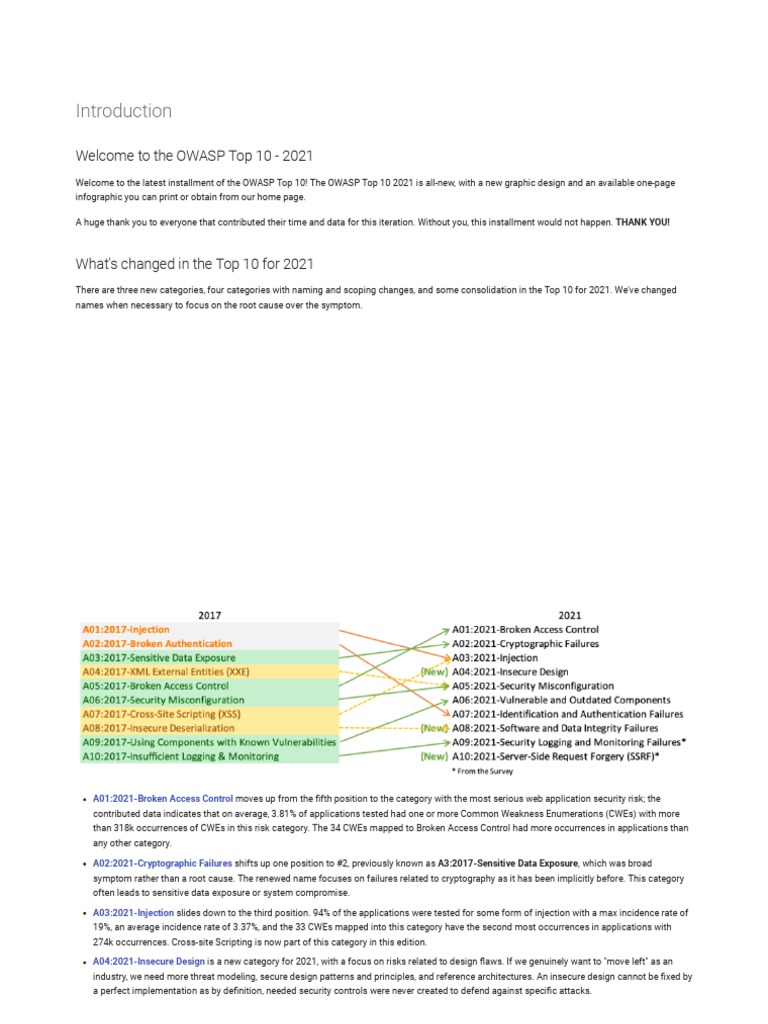
The digital landscape is strewn with vulnerabilities, and no organization is immune to the pervasive risks that arise as technology evolves. As threats proliferate, understanding the OWASP Top 10 is not just a best practice; it’s imperative for safeguarding sensitive data and maintaining the integrity of applications. But how well do you know these risks? Could you identify the nuances of each vulnerability? If the thought of an infrastructure breach sends a shiver down your spine, you aren’t alone. This guide delves into the essential components of the OWASP Top 10 list for 2025, enabling organizations to fortify their defenses against ever-evolving cyber threats.
In the shifting sands of cybersecurity, the OWASP (Open Web Application Security Project) continually adapts its lists to reflect new threats and vulnerabilities. The OWASP Top 10 for 2025 encapsulates the most critical risks facing web applications, and by downloading the latest PDF, you gain an invaluable resource that can guide your security efforts effectively.
1. Broken Access Control
Access control mechanisms serve as the gatekeepers of sensitive information. However, when improperly configured, they create a plethora of opportunities for adversaries. Imagine a scenario where a user can access files and data that are clearly beyond their purview. The ramifications can be catastrophic. Organizations must adopt a zero-trust architecture and employ rigorous validation checks to manage permissions effectively.
2. Cryptographic Failures
In an age where data encryption is paramount, failing to implement adequate cryptographic measures exposes organizations to data breaches and identity theft. It’s not merely about encrypting data at rest; it’s about evolving encryption methods to withstand modern attacks. The challenge lies in ensuring that legacy systems transition to contemporary protocols without compromising security.
3. Injection Attacks
Injection vulnerabilities, such as SQL, NoSQL, and command injections, can wreak havoc on applications by allowing attackers to manipulate queries. Think of injection attacks as a chameleon blending into its surroundings, ready to exploit any small opening. Developers must adopt parameterized queries and use ORM tools to mitigate these risks and protect their digital fortresses.
4. Insecure Design
The architecture of an application lays the groundwork for security practices. An insecure design can pose challenges from the outset, leading to vulnerabilities that may proliferate as the application evolves. It’s vital to embrace security-by-design principles early in the development life cycle, much like constructing a building with robust materials to withstand a storm.
5. Security Misconfiguration
Even the most sophisticated systems are prone to failure when misconfigurations arise. Oftentimes, these missteps are due to default setups that aren’t properly fortified. Organizations should create baseline configurations and continuously monitor them to ensure compliance with security policies, thus preventing potential breaches born from negligence.
6. Vulnerable and Outdated Components
Using outdated software or libraries can be likened to leaving a door ajar for intruders. Attackers exploit these vulnerabilities to gain unauthorized access. Regular inventory checks and updates of all components, including dependencies and frameworks, ensure that organizations minimize their attack surface effectively. The challenge is to balance the need for improvements with the readiness to implement changes seamlessly.
7. Identification and Authentication Failures
Weak authentication mechanisms are an open invitation for attackers. Multifactor authentication, password policies, and account lockout procedures are crucial in preventing unauthorized accesses. Yet, despite their importance, many organizations overlook these basic tenets. Awareness campaigns can help employees understand the gravity of securing their credentials better.
8. Software and Data Integrity Failures
In a world awash with data, ensuring the integrity of software and data isn’t a mere formality; it’s a necessity. Supply chain vulnerabilities can lead to disastrous consequences if not actively managed. Implementing controls such as code signing can mitigate risks and foster trust in the authenticity of software updates, much like how shippers use seals to guarantee unaltered cargo.
9. Security Logging and Monitoring Failures
Imagine sailing a ship without a compass; that’s what operating without adequate logging and monitoring feels like in cybersecurity. Detecting anomalies and responding rapidly can make all the difference during a security incident. Organizations need to enhance their logging capabilities and establish real-time monitoring systems to detect and respond to potential threats expediently.
10. Server-Side Request Forgery (SSRF)
As applications communicate with remote servers, the risk of SSRF vulnerabilities escalates. Attackers may exploit these vulnerabilities to access internal systems. A robust validation mechanism for server requests is pivotal in thwarting potential exploits, ensuring that only legitimate requests are processed. Organizations must stay informed about emerging threats and adjust their security protocols accordingly.
Downloading the OWASP Top 10 2025 PDF is a critical step in a proactive cybersecurity strategy. It equips you with the knowledge necessary to guard against these prevalent threats and challenges. Moreover, sharing this document across your teams enhances collective understanding and fortifies your organizational defenses.
As technology continues to advance, the landscape of cybersecurity remains dynamic. Remaining vigilant, adopting a mindset of continuous learning, and fostering a culture of security within your organization all contribute to a robust defense against potential cyber adversaries. The walls of your digital fortress can be strengthened; the question is, are you ready to take those steps?
FAQ
What is the OWASP Top 10?
The OWASP Top 10 is a widely recognized list of the most critical security risks to web applications, maintained by the Open Web Application Security Project.
How often is the OWASP Top 10 updated?
The OWASP Top 10 is typically updated every few years to reflect new and evolving security threats.
Where can I download the OWASP Top 10 2025 PDF?
The OWASP Top 10 2025 PDF can be downloaded from the official OWASP website or trusted cybersecurity resource platforms.
Why is it important to address the OWASP Top 10 risks?
Addressing these risks helps organizations prevent common vulnerabilities that can lead to data breaches, financial loss, and reputational damage.




Leave a Reply