
Short Answer
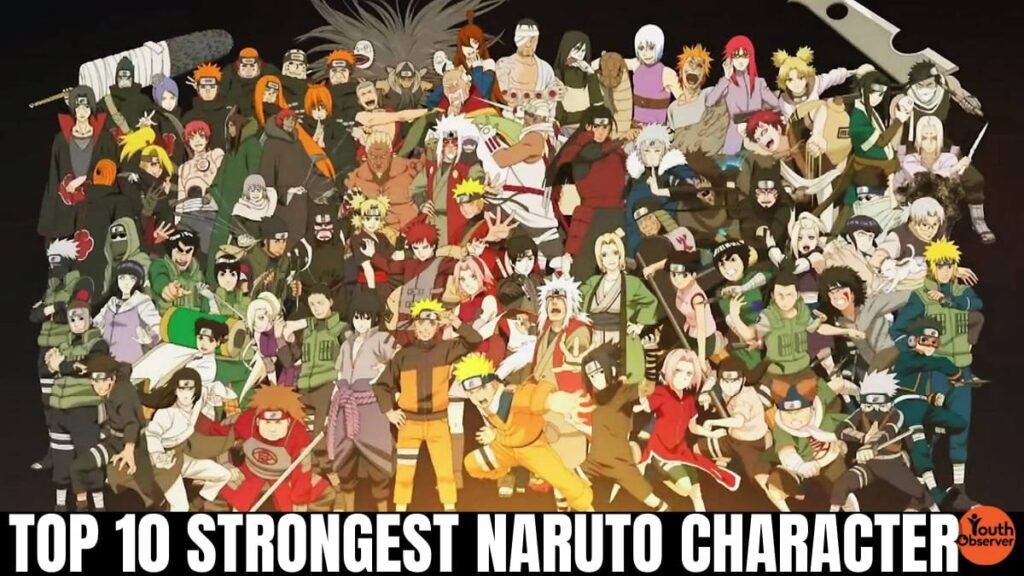
In the vast universe of Naruto, a compelling blend of rich storytelling and intricate character development culminates in its epic battles and formidable fighters. The perpetual struggle between good and evil, embodied by the show’s strongest characters, captivates audiences and fosters analysis on the nature of power and identity. Herein lies a list of the top ten strongest characters, interspersed with their most memorable fights, providing insight into their profound impact on the series and the themes encapsulated within.
1. Naruto Uzumaki
As the titular character, Naruto Uzumaki’s evolution from a naïve outsider to the Seventh Hokage is a testament to the series’ overarching theme of perseverance. His mastery of the Nine-Tails’ chakra, alongside the Sage Mode and ultimately the God-like powers bestowed by his connection to the Sage of Six Paths, renders him exceptionally formidable. One of his most electrifying battles occurs against Sasuke Uchiha in their final confrontation. This fight not only showcases their raw power but also explores their intricate bond, highlighting themes of rivalry, redemption, and friendship.
2. Sasuke Uchiha
Sasuke Uchiha epitomizes the tragic hero archetype, driven by vengeance and a quest for redemption. Armed with the Sharingan and later the Rinnegan, Sasuke possesses the apogee of Uchiha power, granting him access to unique abilities such as the Susanoo and Amaterasu. The decisive battle against Naruto serves as a fulcrum for their character development; it is a clash of ideologies as much as it is a display of their formidable abilities, transforming their rivalry into a poignant exploration of fate and free will.
3. Madara Uchiha
Madara Uchiha stands as one of the most daunting antagonists in Naruto. His ambition to create an ideal world through the Infinite Tsukuyomi showcases not only his power, wielding the Rinnegan and Hashirama Senju’s cells, but also the underlying philosophy of control versus chaos. The Fourth Great Ninja War is marked by his epic clashes against the Allied Shinobi Forces. His battle against the likes of Hashirama and the resurrected Kage is illustrative of his brute strength and tactical genius, ultimately revealing the depth of his character and the tragic consequences of his ideals.
4. Hashirama Senju
Hashirama, the First Hokage, symbolizes peace operationalized through strength. Known as the “God of Shinobi,” his Wood Release techniques set a paradigm that melds power with empathy. His legendary battle against Madara encapsulates not only their personal rivalry but also the historical enmity between the Senju and Uchiha clans. The encounter serves as a microcosm for the struggles of unity and division, revealing how personal conflicts mirror the broader tensions within the shinobi world.
5. Obito Uchiha
Obito Uchiha’s transformation from a hopeful young ninja to the orchestrator of chaos in the Fourth Great Ninja War presents a complex character arc that questions the nature of loyalty and despair. Using the power of the Rinnegan and his mastery of space-time ninjutsu, he stands as an imposing figure. His confrontation with Kakashi, where personal histories collide, adds layers to his character—this battle reflects on the concepts of loss and the burdens of past decisions that shape destinies.
6. Kurama (Nine-Tails)
Initially viewed as a malevolent force, Kurama, the Nine-Tails fox, transforms into Naruto’s greatest ally, symbolizing the journey from isolation to unity. This shift is accentuated during their climactic confrontation with Madara, where the duo’s combined abilities assert their dominance over unimaginable threats. This partnership not only redefines Kurama’s character but underscores the notion of understanding and acceptance across divides, enriching the narrative’s emotional landscape.
7. Itachi Uchiha
Itachi Uchiha’s character enmeshes tragedy with brilliance, with his mastery of genjutsu and extraordinary fighting skills making him an iconic figure. The most poignant fight occurs against Sasuke, where the underlying motivations of love and sacrifice unravel amid a dazzling display of combat. This battle transcends mere strength, illuminating Itachi’s complex persona and his sacrifice for the greater good, reinforcing themes of brotherhood and loyalty.
8. Pain (Nagato)
Pain, as a manifestation of Nagato’s ideologies, embodies the philosophic clash against the legacy of war. His control over the Six Paths of Pain provides a multifaceted approach to battle, showcasing innovative tactics. The confrontation with Naruto in the Hidden Leaf Village not only highlights their collective strengths but invites a discussion on the futility of conflict and the longing for peace, making it a philosophically rich encounter.
9. Killer Bee
Killer Bee redefines the jinchuriki narrative, embracing his connection with the Eight-Tails while showcasing unparalleled swordsmanship and agility. His battle against Tobi is significant, not merely for its intensity but for the underlying themes of self-acceptance and coexistence. It highlights how embracing one’s identity can lead to formidable power, both personally and collectively.
10. Rock Lee
Rock Lee, emblematic of determination and hard work, proves that strength isn’t solely derived from bloodline abilities. His unwavering spirit and dedication to taijutsu culminate in spectacular fights, particularly against Gaara during the Chunin Exams. This battle serves as an inspirational archetype, showcasing how tenacity can challenge seemingly insurmountable odds and embodying the series’ central theme: the transformative power of effort and belief in oneself.
In conclusion, Naruto’s most powerful characters and the riveting battles they engage in are not just exhibition of prowess; they encapsulate the series’ deeper explorations of humanity, ideology, and growth. Each character’s strength corresponds with their personal journeys, collectively enriching the narrative tapestry of Naruto. Their conflicts resonate on multiple levels, engaging viewers not just through action, but by prompting reflection on the complexities of strength and the essence of the human experience.
FAQ
Who are the top 3 strongest characters in Naruto?
Naruto Uzumaki, Sasuke Uchiha, and Madara Uchiha are recognized as the top three strongest characters due to their exceptional powers and pivotal roles.
What is the significance of Kurama in Naruto?
Kurama, the Nine-Tails, represents Naruto's internal struggle and eventual alliance, symbolizing themes of acceptance and unity.
Why is Rock Lee notable among Naruto characters?
Rock Lee is notable for his determination and mastery of taijutsu, demonstrating that hard work can rival innate talent.





Leave a Reply