
Short Answer
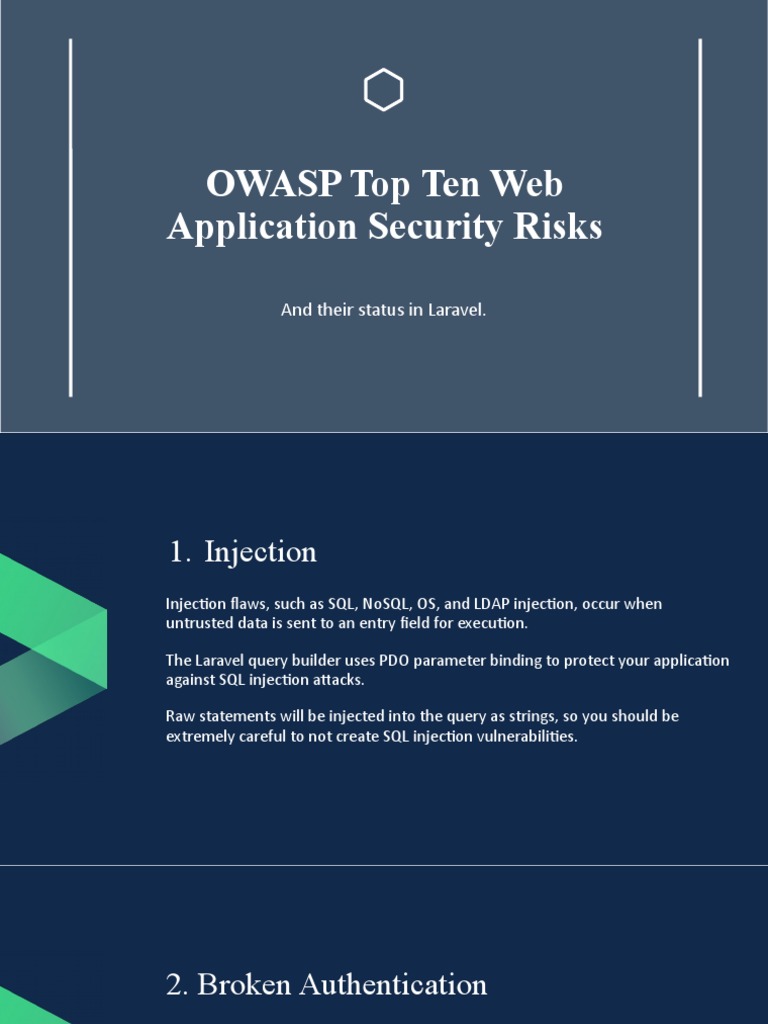
In the realm of application security, a pervasive question looms: how secure is your software? As threats continue to evolve, understanding and testing for vulnerabilities has become paramount. Among the myriad of security risks, the OWASP Top 10 stands out as a formidable checklist highlighting the most critical security vulnerabilities that developers must address. But how can one effectively test for these vulnerabilities? Here, we delve into a thorough exploration of techniques and methodologies to evaluate each of the OWASP Top 10 vulnerabilities, presenting these tests as both a challenge and a vital learning opportunity.
1. Injection Flaws
Injection vulnerabilities, particularly SQL Injection, pose a severe risk by allowing attackers to manipulate backend databases. To test for these, employ tools such as SQLMap or manual testing techniques. Start by entering malicious payloads into input fields. Observe the application’s response: does it reveal any backend error messages or database structure? A successful test indicates a potential injection risk.
2. Authentication Issues
Authentication flaws can lead to unauthorized access and data breaches. To test these vulnerabilities, scrutinize the login mechanisms. Attempt to bypass authentication through techniques like credential stuffing or brute-force attacks. Use automated tools like Burp Suite to help identify weak password policies and session management issues. Ask yourself, could a determined adversary gain access with minimal effort?
3. Sensitive Data Exposure
Is your application doing enough to protect sensitive information? Conduct tests to inspect how data is encrypted. Use tools like Wireshark to analyze data in transit. Look for unencrypted passwords or card details. Additionally, review how your application handles data at rest—are there adequate access controls to prevent unauthorized data retrieval?
4. XML External Entities (XXE)
XXE vulnerabilities can lead to attacks against an application through uploaded XML files. To test for XXE, create a malicious XML payload designed to make requests to internal resources. This will reveal if the application improperly processes XML and exposes sensitive server data. Watching a server inadvertently disclose files can be unnerving; it begs the question of what other secrets lie hidden within your application.
5. Broken Access Control
Access control mechanisms are often the last line of defense, and weaknesses here can be catastrophic. To test for broken access control, try to access restricted endpoints or data without appropriate credentials. Attempt to escalate privileges, manipulating URL parameters or HTTP requests. If the application fails to enforce access policies, it could pave the way for grave exploitation.
6. Security Misconfiguration
In an era where configurations are often automated, misconfigurations are alarmingly common. Begin testing by reviewing the application’s default configurations. Identify anything that hasn’t been secured, such as unprotected administrative interfaces or overly verbose error messages. Tools like Nmap can help scrutinize open ports and unnecessary services that could expose your application.
7. Cross-Site Scripting (XSS)
Cross-Site Scripting vulnerabilities allow attackers to inject malicious scripts into webpages viewed by other users. To test for XSS, attempt to inject JavaScript code into input fields or URL parameters. Inspect if the application properly sanitizes user inputs. If the script runs in another user’s browser, it spells disaster—a clear sign that immediate remediation is necessary.
8. Insecure Deserialization
Insecure deserialization can allow attackers to exploit a vulnerable application through malicious payloads. Test this vulnerability by manipulating serialized data sent to the application. Analyze how the application handles the data and whether it can lead to remote code execution or denial of service. Each successful test may reveal unsettling possibilities on how applications can be commandeered.
9. Using Components with Known Vulnerabilities
Many applications rely on third-party components, which can harbor vulnerabilities. To test this area, conduct a dependency check using tools like OWASP Dependency-Check or Snyk. Identify any components that may be outdated or susceptible to known vulnerabilities. A project’s success can hinge on the integrity of its dependencies—are you prepared to address these lurking threats?
10. Insufficient Logging and Monitoring
Without robust logging and monitoring, attacks can go undetected. To test this, simulate an attack and assess the application’s logging mechanisms. Does it capture pertinent details such as the type of request, the user involved, and the timestamp? Insufficient logs can render an application blind to attacks—how will you ensure that your defenses are adequately fortified?
Testing for the OWASP Top 10 vulnerabilities is not merely a checklist—it’s an ongoing endeavor to fortify your application against ever-evolving threats. Embrace this challenge; each vulnerability tested offers invaluable insights. As you navigate these risks, remember that each test is a learning opportunity—one that can lead to stronger security practices and ultimately, a safer digital landscape.





Leave a Reply