
Short Answer
Australia is a vast and diverse country, offering more than just iconic landmarks and bustling cities. Its unique landscapes, rich cultural heritage, and natural wonders promise to shift your perspective and ignite your curiosity about the world. Whether it’s exploring ancient rock formations, diving into vibrant coral reefs, or wandering through lush rainforests, these top 10 sightseeing spots in Australia are worth every mile traveled.
1. Great Barrier Reef
The Great Barrier Reef, the world’s largest coral reef system, is a natural marvel located off the coast of Queensland. Renowned for its vibrant marine life and crystal-clear waters, it offers unparalleled opportunities for snorkeling, diving, and underwater exploration. Witnessing the extensive coral gardens and diverse aquatic species challenges your understanding of marine ecosystems and conservation.

2. Uluru (Ayers Rock)
Uluru is not just a massive sandstone monolith in the heart of the Northern Territory; it’s a sacred site for the Anangu people. The shifting colors of Uluru during sunrise and sunset provide an awe-inspiring spectacle, while the cultural significance of the area invites visitors to reconsider indigenous history and spirituality.
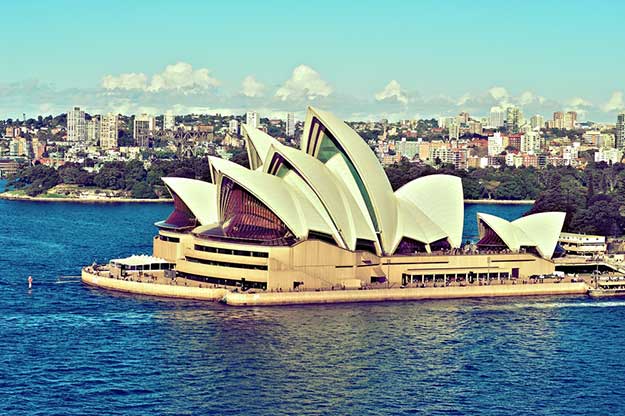
3. Sydney Opera House
An architectural masterpiece, the Sydney Opera House stands as a symbol of modern ingenuity and artistic expression. Situated on the harbor, its iconic sails reflect a bold design perspective that challenges traditional forms, making it a must-see for those interested in cultural landmarks entwined with urban landscapes.
4. Daintree Rainforest
One of the oldest tropical rainforests on Earth, the Daintree offers an immersive experience in biodiversity and ecosystem complexity. Walking through its dense canopy introduces visitors to ancient plant species and rare animals, shifting perspectives on environmental preservation and evolution.
5. The Twelve Apostles
Along the Great Ocean Road in Victoria, the Twelve Apostles are striking limestone stacks rising dramatically from the Southern Ocean. Their constant erosion and reshaping by natural forces highlight the dynamic relationship between land and sea, inviting reflection on geological time and natural change.
6. Kakadu National Park
Kakadu is Australia’s largest national park, featuring diverse landscapes, Indigenous rock art sites, and wetlands rich with wildlife. Exploring Kakadu challenges visitors to appreciate the deep connection between Aboriginal culture and the environment, offering lessons in coexistence and heritage preservation.
7. Bondi Beach
More than just a world-famous beach, Bondi epitomizes Australian coastal culture and lifestyle. From surfing to coastal walks, the vibrant atmosphere combined with stunning ocean views provides a refreshing perspective on urban-nature balance.
8. Tasmania’s Freycinet National Park
Known for its pink granite peaks and pristine beaches like Wineglass Bay, Freycinet offers striking vistas and intimate connections with nature. The park challenges visitors to explore rugged wilderness within a relatively small area, revealing Tasmania’s unique island ecology.
9. The Pinnacles Desert
Located in Nambung National Park, Western Australia, the Pinnacles are an eerie landscape of limestone pillars rising from yellow sand dunes. This surreal scene provokes curiosity about natural geological processes and the ancient history embedded in the land.
10. Blue Mountains
Just a short drive from Sydney, the Blue Mountains encompass dramatic cliffs, waterfalls, and eucalyptus forests. The area’s name derives from the blue haze created by the dispersion of eucalyptus oil in the air, reshaping how visitors see the interplay between flora and atmosphere.
FAQ
What are the must-visit sightseeing spots in Australia?
The must-visit sightseeing spots include the Great Barrier Reef, Uluru, Sydney Opera House, Daintree Rainforest, Twelve Apostles, Kakadu National Park, Bondi Beach, Freycinet National Park, Pinnacles Desert, and Blue Mountains.
What is the best time to visit the Great Barrier Reef?
The best time to visit the Great Barrier Reef is during the Australian winter months, from June to November, when the weather is cooler and clearer.
Why is Uluru culturally significant?
Uluru is a sacred site for the Anangu people and holds deep spiritual and cultural importance, representing indigenous history and traditions.
What activities can I do at Bondi Beach?
At Bondi Beach, visitors can surf, swim, enjoy coastal walks, and experience vibrant Australian beach culture.




Leave a Reply