
Short Answer
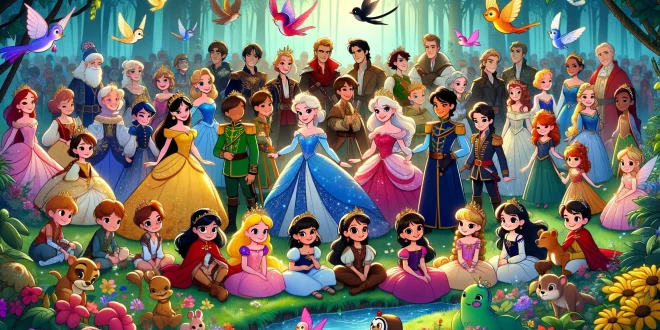
Fairy tales have enchanted generations with their timeless themes, magical worlds, and unforgettable characters. These stories continue to resonate across cultures and time periods, offering readers a blend of adventure, morality, and fantasy. Whether delivered through books, films, or theatrical renditions, fairy tales remain an essential part of cultural storytelling. Below is a list of the top 10 fairy tales that never go out of style, highlighting the unique elements and content that make each one enduringly popular.
1. Cinderella
The story of Cinderella, often characterized by its rags-to-riches narrative, remains a timeless classic. It explores themes of kindness, resilience, and the ultimate triumph of good over cruelty. The magical intervention of the fairy godmother and the iconic glass slipper add an element of enchantment that captivates audiences of all ages.
2. Snow White and the Seven Dwarfs
This tale combines elements of jealousy, innocence, and redemption. Snow White’s purity and kindness contrast sharply with the evil queen’s vanity. The presence of the seven dwarfs brings a unique communal bond, while the enchanted apple and the eventual awakening by the prince create moments of high drama and hope.
3. Sleeping Beauty
Sleeping Beauty focuses on the themes of fate, curses, and true love’s kiss. The story’s heavy reliance on magical elements, such as the spindle’s curse and the protective enchantments, introduces an enduring mystique. The motif of waking from a deep sleep symbolizes rebirth and new beginnings, making it relatable across generations.
4. Little Red Riding Hood
At its core, Little Red Riding Hood conveys caution and the importance of wisdom. The interaction between innocent Red and the cunning wolf introduces a polarizing conflict between good and evil. This tale is often adapted to deliver important life lessons about trust and danger, ensuring its continued relevance.
5. Beauty and the Beast
Beauty and the Beast explores the theme of looking beyond appearances and the transformative power of love. The Beast’s curse and Beauty’s compassion create a compelling narrative about redemption and acceptance. Its romantic undertones and moral lessons on inner beauty continue to captivate audiences.
6. Hansel and Gretel
This dark fairy tale centers on sibling courage, survival, and cleverness. The children’s journey through the forest to escape the witch’s clutches introduces high stakes and a sense of adventure. Its themes are multifaceted, combining fear with hope and determination, which resonate widely with readers and viewers alike.
7. The Frog Prince
The Frog Prince emphasizes themes of promises, transformation, and the unexpected rewards of kindness. Through the symbolic metamorphosis of the frog into a prince, the story explores the concepts of first impressions and loyalty. Its charming narrative encourages looking beneath the surface.
8. Rapunzel
Rapunzel’s story, with its iconic tower confinement and long golden hair, delves into themes of isolation, freedom, and love’s power. The princess’s eventual rescue highlights perseverance and the will to break free from restrictive circumstances, making it a narrative of hope and liberation.
9. Jack and the Beanstalk
This fairy tale blends adventure and fantasy through Jack’s ascent up the beanstalk to face the giant. Themes of bravery, cleverness, and risk-taking are central. Its magical beans and the giant’s treasure offer a sense of wonder and possibility, appealing to the adventurous spirit in readers.
10. The Little Mermaid
The Little Mermaid tells a poignant story of sacrifice, longing, and transformation. The mermaid’s desire to belong to the human world and her willingness to give up her voice comment on identity and love’s cost. This fairy tale’s emotional depth and vivid imagery continue to leave a lasting impression.
FAQ
What makes fairy tales timeless?
Fairy tales are timeless because they explore universal themes such as good versus evil, love, transformation, and moral lessons that resonate across cultures and generations.
Why are fairy tales important in cultural storytelling?
Fairy tales play an important role in cultural storytelling as they preserve traditions, teach values, and engage audiences through imaginative narratives that shape cultural identity.
How have fairy tales been adapted over time?
Fairy tales have been adapted through various media including books, films, theater, and television, often updating themes and characters to remain relevant to modern audiences.






Leave a Reply