
Short Answer
Violence is a phenomenon that has plagued urban landscapes across the United States, an affliction that paints a grim portrait of life in some cities. As communities grapple with crime, understanding the reasons behind this violence can be illuminating. This list explores the ten cities in America characterized by high rates of violent crime, providing insight into their unique challenges and the complexities surrounding their situations.
Every city has a story, a narrative steeped in socio-economic conditions, historical injustices, and the social fabric that binds its residents. Diving into the intricacies of these environments can offer a shift in perspective, allowing for a deeper understanding of the systemic issues that often amplify violence. Without further ado, let us traverse through the top ten most violent cities in America.
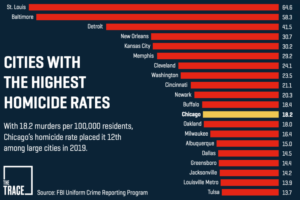
1. St. Louis, Missouri
Perennially mentioned in discussions of urban violence, St. Louis is often depicted as a battleground of crime. With a staggering rate of homicides, the city’s challenges are mirrored in its economic struggles and segregation. Historical redlining practices have contributed to persistent poverty in many neighborhoods, leading to a sense of hopelessness that can ignite violent behavior. Community leaders strive for change, but the road to revitalization is fraught with obstacles.
2. Baltimore, Maryland
Baltimore’s landscape bears the scars of violence that have reverberated through its streets for decades. The city’s proximity to major highways facilitates drug trafficking, exacerbating crime rates. Additionally, the socio-economic divide is palpable, creating an environment marred by inequality. Recent efforts to foster community policing and engage youth in positive activities present a glimmer of hope amid the turmoil.
3. Detroit, Michigan
Once a beacon of American industrial might, Detroit has faced devastating economic downturns that left many neighborhoods in disarray. The decline of the automotive industry precipitated a mass exodus, leading to abandoned homes and increased criminal activity. Despite the adversity, grassroots initiatives focusing on economic resurgence and community engagement signify a burgeoning resolve to reclaim the city from the throes of violence.
4. Memphis, Tennessee
Memphis is steeped in cultural significance, yet it is no stranger to violent crime. The city grapples with gang-related violence, often rooted in systemic poverty and lack of access to quality education. Efforts to address these root causes are underway, yet the prevalence of gun violence creates an unyielding cycle. Understanding the historical context of systemic inequities may pave the way for restorative measures aimed at healing the community.
5. New Orleans, Louisiana
The vibrant streets of New Orleans, famous for their music and cultural diversity, also mask a troubling reality of violence, particularly gun-related incidents. The aftermath of Hurricane Katrina left deep scars that continue to affect the city’s socio-economic landscape. Recent initiatives focusing on community investment and systemic reforms seek to alleviate the challenges faced by New Orleans’ residents, revealing a city striving for rebirth amid its struggles.
6. Kansas City, Missouri
Kansas City often surprises outsiders with its hidden struggles. While known for barbecue and jazz, the city has faced a tenacious battle against rising violent crime, often linked to drug trafficking and socioeconomic disparities. Comprehensive community programs that engage youth and promote job training are crucial in reshaping narratives and fostering a future disconnected from violence.
7. Cleveland, Ohio
Cleveland’s rich cultural history is tempered by its high rates of violent crime, as neighborhoods struggle with economic hardship. Youth unemployment and inadequate education resources create an environment ripe for violence. In response, community organizations are closing ranks, leveraging local resources and advocating for systemic change, aiming to forge pathways for future generations free from the shadow of violence.
8. Birmingham, Alabama
The legacy of Birmingham embodies the struggles for civil rights, yet today it is marked by alarming levels of violence. The confluence of poverty, limited job opportunities, and historical segregation has contributed to a volatile environment. Community leaders and activists work tirelessly to bridge the divides, pushing for reforms to create safer neighborhoods and uplift marginalized voices.
9. Albuquerque, New Mexico
In the arid landscapes of Albuquerque, violent crime has surged, notably linked to substance abuse and gang affiliations. The city has struggled with the interplay of cultural complexities and economic hardship. However, local initiatives aiming to address mental health and addiction, as well as community safety programs, demonstrate a commitment to tackling the underlying issues that perpetuate violence.
10. Oakland, California
Oakland, with its rich history of activism, grapples with violent crime spurred by gang violence and economic disparities. The tech boom in neighboring San Francisco has led to gentrification, exacerbating tensions and displacement for long-time residents. In response, a mix of cultural programs and community outreach initiatives symbolizes a collective effort to combat the scourge of violence and reclaim the narrative of this dynamic city.
As we traverse the landscape of these ten cities, it becomes abundantly clear that violence is not merely a statistic; it is a deeply entrenched issue with historical roots. Understanding the multifaceted causes behind these high rates of violent crime invites a shift in perspective, urging a collective approach to addressing the systemic problems that foster such environments. It is a reminder that beyond the violence lies a vibrant tapestry of community resilience, hope, and the indomitable human spirit striving for change.
FAQ
What factors contribute to high violent crime rates in these cities?
High violent crime rates are often linked to socio-economic disparities, historical segregation, unemployment, drug trafficking, and systemic inequities.
Are there community efforts to reduce violence in these cities?
Yes, many cities have grassroots initiatives, community policing programs, youth engagement activities, and systemic reforms aimed at reducing violence.
Why is it important to understand the causes behind violent crime?
Understanding the underlying causes helps in creating effective solutions and addressing systemic problems rather than focusing only on symptoms.

Leave a Reply