
Short Answer
As we traverse the globe, it becomes painfully evident that not all urban landscapes are basking in prosperity and safety. Indeed, numerous cities around the world grapple with high levels of crime, violence, and social unrest. The confluence of poverty, political corruption, and drug trafficking can create perilous environments where danger lurks in every shadow. While it is crucial to avoid sensationalism, acknowledging these cities can foster a deeper understanding of global disparities. Here, we delve into the ten most dangerous cities in the world, illuminating the realities that exist behind their facades.
1. Tijuana, Mexico
Tijuana, often recognized as one of the most treacherous cities, is a border town that epitomizes the brutalities of drug trafficking. The city’s location, directly adjacent to the United States, has transformed it into a strategic point for drug cartels. Violent clashes between rival gangs frequently erupt, leaving a trail of devastation. Residents often live in constant fear, and the risk of kidnapping or extortion looms large. Nonetheless, amidst the chaos, Tijuana boasts a vibrant culture and resilient populace, showcasing the paradox of life in this tumultuous environment.
2. Caracas, Venezuela
Caracas, the capital of Venezuela, is plagued by a staggering rate of violent crime, attributed largely to economic collapse and sociopolitical turmoil. The living conditions are dire, with scarcity of basic necessities fueling brutal acts of desperation. Armed robberies, homicides, and kidnappings are everyday occurrences, causing residents to tread carefully in an environment fraught with trepidation. Beneath this surface, however, lies a city rich in history and striking natural beauty, unveiling the complexity of its existence.
3. St. Louis, United States
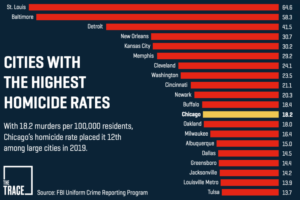
St. Louis, often overshadowed by its metropolitan siblings, grapples with the consequences of systemic issues that have culminated in a high crime rate. Gun violence, particularly among the youth, remains distressingly prevalent, as well as property crimes. Socioeconomic disparities serve as a backdrop, perpetuating cycles of violence and unrest. Despite its struggles, St. Louis is a city with a rich musical heritage and a passionate community, emphasizing that danger can coexist with profound cultural resilience.
4. San Pedro Sula, Honduras
Once renowned for its flourishing economy, San Pedro Sula has morphed into one of the world’s murder capitals, where the drug trade fuels an insidious cycle of violence. The city faces challenges rooted in poverty, corruption, and lack of social services. People live in anxious anticipation of violence, portraying a harsh reality where survival often outweighs quality of life. Yet, within the shadows of despair, the spirit of collaboration and community shines through, highlighting the enduring human drive to strive for a brighter future.
5. Acapulco, Mexico
Acapulco, once a glamorous playground for the elite, is now synonymous with gun violence and insecurity. The city’s decline is exacerbated by drug cartel wars as rival factions vie for control. Tourists are often cautious, and residents face the daunting reality of living in a tourist belt which, paradoxically, can magnify the risk of violent crime. Nevertheless, Acapulco still grips the imagination with its natural beauty, drawing travelers intrigued by its alluring beaches and vibrant nightlife.
6. Cape Town, South Africa
Despite its breathtaking landscapes and historical significance, Cape Town grapples with a stark dichotomy between beauty and danger. Gang violence, particularly in its townships, bespeaks the tensions of economic inequality and social strife. Murders and robberies are not uncommon, forcing locals to navigate their lives with circumspection. Yet, Cape Town’s myriad attractions—from the iconic Table Mountain to its rich cultural tapestry—illustrate the multifaceted nature of a city that cannot be easily defined by danger alone.
7. Bahia Blanca, Argentina
Bahia Blanca is embroiled in escalating violence fueled by socioeconomic disparity and the drug trade. As criminal organizations vie for control, the city’s residents are frequently subjected to the violent machinations of the underworld. While viewing it through a lens of fear is all too easy, one must also recognize the evolving cultural scene that blooms amid adversity, shedding light on the resilience of its inhabitants.
8. Detroit, United States
Detroit’s storied past is marred by economic decline, leading to high rates of crime, including violent incidents and property offenses. The once-thriving automotive hub has devolved into areas plagued by neglect, offering fertile ground for criminal activity. Nevertheless, the city’s revitalization efforts are noteworthy, as local communities work tirelessly to reclaim their streets and restore their cultural pride. Such initiatives reflect a glimmer of hope amid overwhelming challenges.
9. Mogadishu, Somalia
Mogadishu is emblematic of the extreme dangers posed by civil strife, with decades of conflict resulting in a humanitarian crisis. The ceaseless presence of armed groups has created an atmosphere of instability where gunfire and bombing incidents are commonplace. Yet, amidst the chaos, stories of resilience emerge—from local entrepreneurs to humanitarian workers striving to rebuild their country. The juxtaposition of hope against destruction paints a vivid picture of life in a war-torn nation.
10. Guatemala City, Guatemala
Guatemala City, often marked by its high homicide rates, is plagued by the effects of poverty and corruption. Gangs exert significant control, and violent crime casts a long shadow over its urban landscape. Residents endure the daily weight of fear, yet communities persist in fostering dialogue and seeking solutions to counteract the violence. The struggle for peace in Guatemala City is emblematic of larger issues facing many urban areas worldwide.
As we reflect on these ten cities, it becomes clear that perilous environments stem from complex and multifaceted issues. By recognizing the dangers, we can foster empathy and awareness, urging us to advocate for systemic change. Ultimately, every city remains a tapestry woven from challenges and triumphs—where danger does not overshadow the indomitable spirit of those who call it home.
FAQ
What makes a city dangerous?
A city is considered dangerous due to high rates of violent crimes such as murder, armed robbery, and gang activity, often exacerbated by poverty and weak law enforcement.
Are there safe areas within these dangerous cities?
Yes, many of these cities have neighborhoods that are relatively safe and culturally vibrant despite overall high crime rates.
How can travelers stay safe in high-risk cities?
Travelers should research local safety advice, avoid risky areas, use trusted transportation, and remain vigilant.
Why is it important to study dangerous cities?
Understanding the challenges faced by dangerous cities helps to foster empathy, inform policy, and encourage systemic change to improve safety and quality of life.

Leave a Reply