
Short Answer
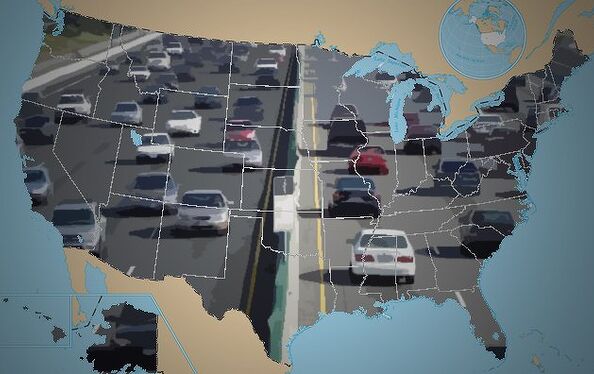
In the vast expanse of the United States, the condition of roads varies markedly from state to state. While some regions boast impeccably maintained highways, others contend with a disheartening network of deteriorating asphalt. The state of America’s roads transcends mere inconvenience; it speaks to deeper implications about infrastructure funding, regional governance, and the very fabric of community connections. Here, we delve into the ten states that grapple with the most significant challenges in road maintenance and quality, exploring the intricacies that contribute to their lamentable rankings.
1. Louisiana
Louisiana, renowned for its vibrant culture and delectable cuisine, grapples with one of the most troubling road infrastructures in the nation. The state’s picturesque bayous and scenic views stand in stark contrast to its pothole-riddled highways and crumbling bridges. Contributory factors include the corrosive impact of humidity and frequent flooding. Budgetary constraints further exacerbate the dilemma, leading to a precarious state of disrepair.
2. Mississippi
In Mississippi, the additional burden of poverty compounds the challenges surrounding road maintenance. A significant portion of its roadways suffers from neglect, stemming from insufficient funding and a declining population. The result is a network plagued by potholes, uneven surfaces, and inadequate signage, creating perilous conditions for drivers who navigate its byways.
3. California
Despite being synonymous with economic prowess and innovation, California’s highways tell a different story. With millions of vehicles traversing its roads daily, the wear and tear are evident. Urban congestion, coupled with budget redirects from road repairs to other urgent needs, leaves many stretches in deplorable condition. Residents lament the irony of their beautiful state having such ill-maintained roads.
4. Rhode Island
Rhode Island may be small, but the state’s road issues loom large. With an aging infrastructure that has not kept pace with modern demands, many of its roads are riddled with potholes and cracks. The maritime climate contributes to the accelerated decline of pavement quality, while budget allocations often fall short of addressing the extensive repairs needed.
5. New Jersey
New Jersey’s frenetic highways bear witness to significant traffic volumes, yet the road surfaces have not benefitted from this busyness. A high percentage of toll roads and limited maintenance budgets lead to uneven pavement and safety issues. Drivers frequently express frustration over the paradox of living in a prosperous state while navigating roads that seem to contradict its affluence.
6. West Virginia
The Appalachian terrain of West Virginia, while breathtakingly beautiful, poses significant challenges to road maintenance. Many primary roads twist and turn through rugged landscapes, which complicates repair efforts and increases costs. Insufficient state funding and a high incidence of extreme weather result in numerous inadequately maintained roads, leaving locals and visitors alike to contend with treacherous conditions.
7. Kentucky
Kentucky’s picturesque rolling hills and sprawling horse farms are often overshadowed by its roadway woes. Amidst ongoing budget crises, maintenance has stagnated, leading to widespread disrepair. As local communities call for increased attention to infrastructure, the consequences of neglect become all too apparent, making travel a sometimes hazardous endeavor.
8. South Carolina
In South Carolina, the allure of sandy beaches and historical sites is marred by the appalling state of its roads. With a combination of heavy tourism and insufficiently funded repair programs, the wear and tear on the infrastructure is readily visible. Unfortunately, the state’s leaders must confront a paradox: while residents advocate for improved roads, budget allocations have struggled to meet these escalating demands.
9. Alaska
The majestic landscapes of Alaska may provide stunning views, but the geographical challenges present significant obstacles for road construction and maintenance. Isolation, coupled with harsh weather conditions, complicates the task of keeping roads navigable. It is often more cost-effective to prioritize air travel and remote access than invest in the vast network of roads, leaving many rural residents with inadequate connectivity.
10. Oklahoma
In the heart of the nation, Oklahoma faces its own road-related struggles, particularly in rural areas where investment is often lacking. The state’s roads contend with extreme weather, resulting in a substantial number of potholes and paved surfaces that require regular attention. The effects of budgetary constraints are starkly visible, leaving many residents to contemplate how to traverse their beloved state safely.
Road conditions serve as a mirror reflecting broader socio-economic realities. The issues plaguing these ten states highlight the intersection of infrastructure, fiscal management, and community needs. As local economies evolve and populations fluctuate, the challenge of maintaining robust and safe road networks becomes increasingly vital. Moving forward, understanding and addressing these deeper issues will be pivotal in improving not only the roads but also the communities they serve.
FAQ
Why do some US states have worse roads than others?
Differences in climate, funding availability, traffic volumes, and geographic challenges contribute to variations in road quality across states.
Are poor roads linked to economic conditions?
Yes, states with budget constraints or economic challenges often have less funding for road maintenance, leading to poorer road conditions.
What are the common signs of deteriorating roads?
Potholes, cracks, uneven surfaces, and inadequate signage are common indicators of deteriorating road infrastructure.



Leave a Reply