
Short Answer
Tornadoes have an uncanny ability to evoke both fascination and fear, swirling across the landscape with an awe-inspiring ferocity. The United States, particularly the central region, is notorious for its tornado activity, drawing meteorologists, storm chasers, and curious minds alike. Understanding which states experience the most tornadoes can provide insight into not only the mechanics of these formidable weather phenomena but also the cultural narratives they inspire. Below is an exploration of the ten U.S. states most frequently visited by these atmospheric whirlwinds.
1. Texas
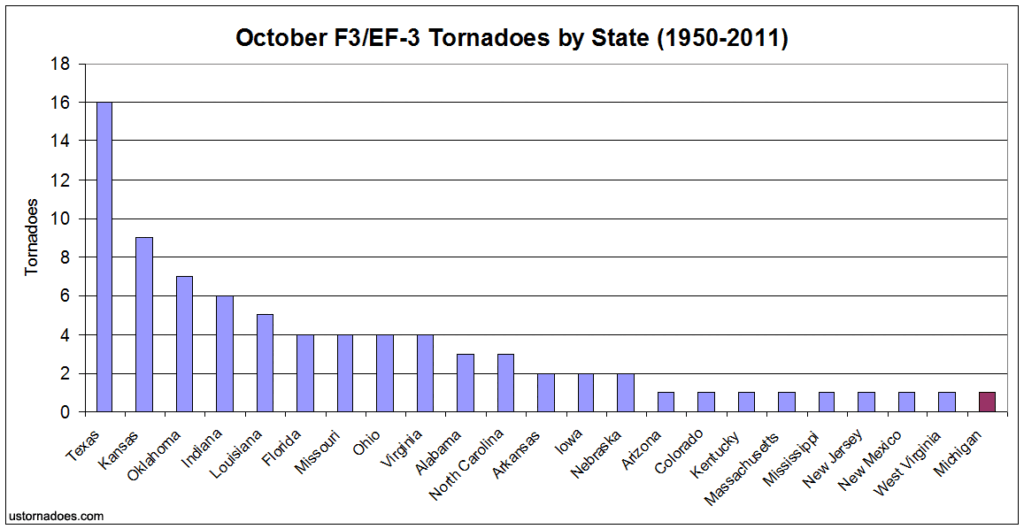
Texas holds the dubious distinction of hosting more tornadoes than any other state in the U.S., with an average of over 140 tornadoes annually. The sheer size of Texas, coupled with its varied geography, creates ideal conditions for the formation of tornadoes. The infamous “Tornado Alley,” a region notorious for tornado occurrences, stretches through the Lone Star State. Cities like Dallas and Fort Worth have borne witness to some of the most destructive tornado events, intertwining with the rich lore of Texan resilience and recovery.
2. Kansas
Kansas, often synonymous with tornadoes, is a key player in Tornado Alley. With around 80 tornadoes per year, this state is a veritable laboratory for meteorological phenomena. The flat plains serve as a magnet for storm systems, allowing tornadoes to form unimpeded. Furthermore, significant tornado events throughout the years, such as the infamous 1955 Topeka tornado, have embedded storm culture deeply into the state’s identity, with annual festivals and educational initiatives celebrating both awareness and survival.
3. Oklahoma
Sitting in the heart of Tornado Alley, Oklahoma averages about 55 tornadoes each year. The mental image of wide-open fields and dark storm clouds permeates the state’s landscape, creating a dramatic backdrop for storm watchers. The May 1999 tornado outbreak, which produced the F5 tornado that struck Moore with calamitous results, underscores the urgent need for preparedness and community solidarity, as Oklahomans boast an array of resources and structures designed to confront tornado threats head-on.
4. Nebraska
Nebraska may not often dominate the headlines like its southern neighbors, but its tornado frequency is substantial, averaging nearly 50 tornadoes per year. The state’s diverse terrain—from vast plains to more hilly regions—makes it a unique epicenter for tornado activity. The legendary 2008 tornado that struck the town of Hallam stands as a testament to the power of these storms, bringing with it a sense of unity in rebuilding efforts and emphasizing the importance of developing robust emergency response systems.
5. Illinois
Illinois typically averages around 55 tornadoes annually, with significant occurrences in the southern and central regions. The state has seen some catastrophic events, including the powerful 1925 Tri-State Tornado, which remains the deadliest tornado in U.S. history. Although today, technology and early-warning systems have evolved considerably, the historical context of tornadoes in Illinois continues to inform the ongoing conversations about safety and resilience throughout the state.
6. Missouri
At an average of 45 tornadoes a year, Missouri’s geography, marked by hills and valleys, creates a compelling environment for severe weather. The unpredictability of tornado paths in Missouri has contributed to the state’s reputation as a “mystery of the winds.” Notably, the Joplin tornado of 2011 serves as a stark reminder of nature’s might and the transformative power of community through disaster response initiatives. The recovery efforts that have followed have led to enhanced safety measures that help safeguard lives in the future.
7. Alabama
With about 62 tornadoes annually, Alabama epitomizes the southern slice of tornado activity in the U.S. The state’s vulnerability is accentuated during the spring months when conditions become ripe for severe weather outbreaks. The 2011 Super Outbreak generated numerous tornadoes across Alabama, leaving an indelible mark on the state’s history. Resilient responses and awe-inspiring community support serve as powerful narratives of survival and the human spirit in the face of calamity.
8. Indiana
Indiana’s position on the fringes of Tornado Alley ensures that it experiences its share of destructive weather, with an average of 25 tornadoes per year. The state’s flat terrain allows storms to develop rapidly, pulling moisture from the Gulf of Mexico. The 1974 Super Outbreak, which affected multiple states, particularly scarred Indiana, leading to heightened awareness and preparedness strategies that continue to evolve today, highlighting the vital importance of public education in the face of natural disasters.
9. Ohio
Ohio, averaging around 22 tornadoes annually, often finds itself on the receiving end of tornado activity as warm southern air collides with colder northern fronts. The state has faced various tornado disasters, each shaping the narrative of preparedness and community resilience. The infamous 1965 Palm Sunday tornado outbreak stands out as a pivotal moment in Ohio’s tornado history, fostering improvements in warning systems and public safety initiatives to mitigate risks moving forward.
10. South Dakota
Rounding out the list, South Dakota’s annual average of about 22 tornadoes speaks to the variability of tornado activity across the Midwest. The state experiences its peak tornado season in late spring and early summer, with unique challenges presented by its mountainous and treed regions that influence tornado formation. Through education and community preparedness, South Dakota continues to adapt and foster resilience against the unpredictable forces of nature.
In summary, tornadoes serve as a poignant reminder of nature’s unpredictable fury across the United States. Each of these ten states offers a unique relationship with these formidable weather systems, characterized by a blend of awe and respect. Comprehending the depths of tornado activity can illuminate not only the severity of the storms themselves but also the adaptive strategies that communities employ in their wake. Engaging with the science and stories behind tornadoes cultivates a deeper appreciation for the delicate balance between human life and the fury of the natural world.
FAQ
Which U.S. state experiences the most tornadoes annually?
Texas experiences the most tornadoes annually, averaging over 140 tornadoes each year.
What is Tornado Alley?
Tornado Alley is a region in the central United States known for its high frequency of tornadoes, including states like Texas, Kansas, and Oklahoma.
How can communities prepare for tornadoes?
Communities prepare for tornadoes through early-warning systems, public education, emergency response plans, and building tornado-resistant structures.
What is the deadliest tornado in U.S. history?
The 1925 Tri-State Tornado, which affected Illinois among other states, is the deadliest tornado in U.S. history.





Leave a Reply