
Short Answer
As the world navigates the complexities of geopolitics, the significance of naval power cannot be overstated. With threats ranging from piracy to territorial disputes and rising superpower tensions, nations have invested heavily in their naval forces. But which countries can assert the title of the strongest navies in the world? Join us on a journey through the deep blue sea as we explore the “Top 10 Strongest Navies Ranked Globally“. Are you ready to dive in and test your knowledge of maritime might? Let’s set sail!
1. United States Navy
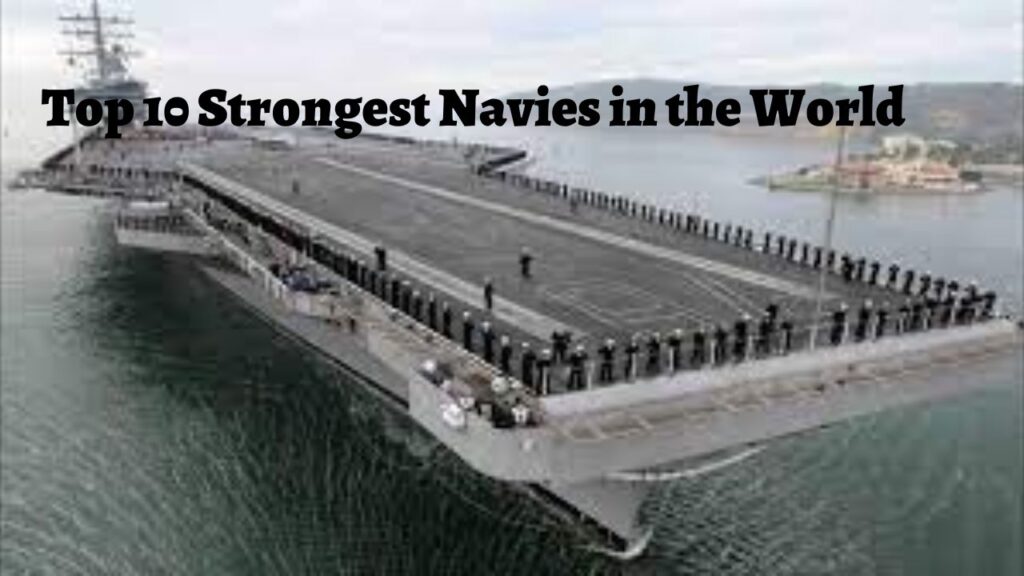
The United States Navy (USN) remains the unrivaled colossus of maritime power. With an impressive fleet of aircraft carriers, destroyers, submarines, and advanced amphibious assault ships, the USN employs cutting-edge technology and unparalleled firepower. The Navy not only plays a crucial role in power projection but also ensures freedom of navigation worldwide. Its nuclear-powered submarines, capable of stealthy underwater operations, further accentuate its dominance on the oceanic stage.
2. Chinese People’s Liberation Army Navy (PLAN)
In recent years, the Chinese Navy has undergone rapid modernization and expansion, steadily asserting itself as a formidable maritime force. With a growing number of aircraft carriers, advanced destroyers, and an extensive submarine fleet, the People’s Liberation Army Navy (PLAN) has made significant strides in projecting power beyond its coastal waters. China’s relentless pursuit of naval supremacy signifies a strategic shift, challenging the USN’s longstanding dominance in the Pacific region.
3. Russian Navy
The Russian Navy boasts an impressive array of vessels that include a formidable fleet of submarines, cruisers, and destroyers. Known for its strategic missile platforms, Russia employs naval power as a tool of influence in global geopolitics, especially in the Arctic and Mediterranean regions. Despite historical challenges, the Russian Navy is investing in modernizing its fleet and revamping naval capabilities, aiming to regain its status as a superpower at sea.
4. Indian Navy
The Indian Navy serves as a cornerstone of India’s strategic interests, particularly in the Indian Ocean Region. With an emphasis on both coastal and blue-water operations, the Indian Navy operates a diverse fleet, including aircraft carriers, submarines, and advanced surface combatants. Additionally, India is focusing on indigenization, producing a range of naval assets that strengthen its position and enhance regional security amidst growing tensions with neighboring countries.
5. Royal Navy (United Kingdom)
The Royal Navy of the United Kingdom carries with it a storied legacy, exemplifying durability and maritime prowess. The UK’s fleet is replete with advanced destroyers, frigates, and the latest aircraft carriers. Modernization efforts concentrate on high-tech naval asset integration and cyber warfare capabilities. The Royal Navy’s commitment to NATO and global partnerships ensures it retains a pivotal role in collective maritime security.
6. Japanese Maritime Self-Defense Force (JMSDF)
Japan has developed a sophisticated naval force in response to regional security challenges, particularly from neighbors like North Korea and China. The Japan Maritime Self-Defense Force (JMSDF) is renowned for its advanced frigates, destroyers, and submarines, with a significant focus on technology and maritime defense. Recent years have seen an increase in joint exercises with allies, emphasizing Japan’s commitment to maintaining stability in the region.
7. French Navy (Marine Nationale)
The French Navy (Marine Nationale) ranks highly due to its nuclear capabilities and a well-rounded fleet comprised of multipurpose aircraft carriers and advanced submarines. The French commitment to safeguarding maritime routes and projecting power globally is evident in its extensive naval operations and participation in international coalitions. France’s ability to conduct amphibious operations further enhances its standing on the global maritime stage.
8. South Korean Navy (ROKN)
Given the instability in the Korean Peninsula, the South Korean Navy (ROKN) has emerged as a critical player in regional security. With a range of advanced destroyers, submarines, and amphibious landing ships, the ROKN is committed to modernization and increasing its operational capabilities. The focus on defense initiatives has seen increased naval exercises, particularly with the United States, demonstrating a willingness to ensure readiness amidst possible threats.
9. Brazilian Navy
Though lesser-known on the global stage, the Brazilian Navy is a respected force in South America. Focused on securing vast maritime resources, the Brazilian fleet consists of a mix of surface ships and submarines, including a growing interest in nuclear-powered vessels. Brazil’s strategic geographic importance in the Atlantic, coupled with its commitment to bolstering naval capabilities, positions it as an influential player in the region’s maritime affairs.
10. Italian Navy (Marina Militare)
The Italian Navy – known as Marina Militare – possesses a well-balanced fleet that includes aircraft carriers, submarines, and destroyers. Focused on Mediterranean security, humanitarian missions, and maritime patrol, the Italian Navy emphasizes collaborative efforts with NATO and other allies. Its commitment to maintaining peace and stability in key maritime routes solidifies its presence as an essential naval force globally.
As we reflect on the formidable naval forces that shape the world’s waters, one must ponder: how might the evolving landscape of naval power change in the coming years? Are the nations ranked here equipped to adapt to technological advancements and emerging threats? The maritime arena is a fluid battleground, and regardless of rankings, the challenge lies in maintaining preparedness and fostering international cooperation to ensure peace on the high seas.
In conclusion, the ocean is not just a highway for trade and travel; it is a theater for power projection and strategic influence. The strongest navies serve as both guardians of sovereignty and instruments of diplomacy. Understanding the dynamics at play is essential for anyone interested in global affairs. As the tides of naval warfare continue to shift, so too will the standings on this list. Who will emerge in the ever-fluctuating ranks of naval supremacy in the years to come?
FAQ
What defines a navy's global strength?
A navy's global strength is defined by its technology, fleet size, power projection ability, nuclear capabilities, and strategic influence on international waters.
Which navies are considered the most powerful?
The United States Navy, Chinese PLAN, and Russian Navy are widely recognized as the most powerful navies in the world.
How do navies impact international relations?
Navies influence international relations by securing trade routes, deterring conflicts, participating in alliances, and projecting national power overseas.






Leave a Reply