
Short Answer
The skies are the final frontier in the realm of military might. As nations strategically position themselves on the global chessboard, the strength of an air force serves as a bellwether of power, influence, and preparedness. Comparable to a lion crowned as king of the jungle, the top air forces across the world command respect through innovative technology, exceptional training, and historical prowess. In this article, we will soar through the stratosphere to uncover the top ten strongest air forces, each a titan in their own right, vying for supremacy in a fiercely competitive arena.
1. United States Air Force (USAF)
Often regarded as the gold standard of aerial combat, the United States Air Force embodies a formidable amalgam of advanced technology and a vast arsenal. With its fleet of stealth fighters like the F-22 Raptor and the F-35 Lightning II, the USAF is akin to a majestic eagle, gliding effortlessly above the turmoil below. The sheer size of its inventory, combined with the enhanced capabilities of its air mobility forces, creates a hyper-advanced air combat environment that is unrivaled. The focus on continual innovation and modernization keeps the USAF on the cutting edge of aerial warfare.
2. Russian Aerospace Forces
The Russian Aerospace Forces portray a blend of rich historical legacy and formidable modernity. Much like a mythical dragon guarding its treasure, Russia protects its territorial integrity fiercely, backed by a potent mix of tactical fighters, bombers, and a robust missile defense system. Iconic aircraft such as the Su-57 Felon and the diverse fleet of Su-30, Su-34, and MiG transition seamlessly between air supremacy and ground support missions, projecting an aura of strength that undoubtedly yields respect and caution from adversaries.
3. People’s Liberation Army Air Force (PLAAF)
As the world’s largest air force in terms of raw numbers, the PLAAF cannot be underestimated. This colossal leviathan has experienced significant modernization over the past few decades, rapidly evolving from a static defense force into a potent offensive and defensive component. The infusion of advanced systems exemplified by the Chengdu J-20 stealth fighter and the growing prowess of long-range bombers makes the PLAAF a formidable contender in the theater of modern warfare. The significant infrastructure investment and an expanding fleet signal China’s aspirations to dominate the skies.
4. Indian Air Force (IAF)
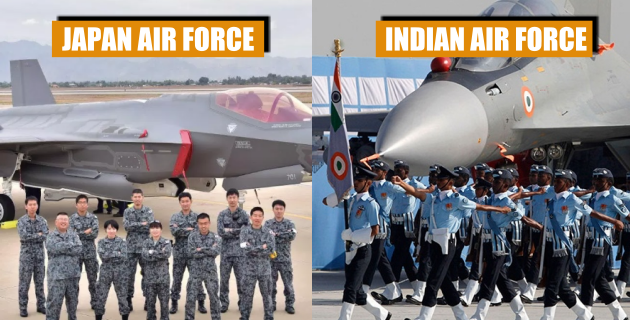
With an impressive reputation that rivals the best, the Indian Air Force is a soaring phoenix, rising from the ashes of historical conflicts and economic constraint. Armed with an eclectic mix of indigenous and imported platforms, including the Su-30MKI and the HAL Tejas, the IAF boasts a remarkable operational tempo. The emphasis on diverse aerial capabilities, advanced training programs, and extensive air defense networks integrate seamlessly, rendering the IAF not just a regional power but a rising global player in the aerial domain.
5. Royal Air Force (RAF)
The Royal Air Force, steeped in history and tradition, embodies a unique blend of valiance and modernity. Like a noble knight of the skies, it showcases its commitment to global stability with iconic platforms such as the Eurofighter Typhoon and the F-35B Lightning II. The RAF’s ability to project power beyond its shores while ensuring rapid response capabilities underscores its pivotal role in NATO and allied partnerships. The longstanding heritage of valor coupled with contemporary finesse positions the RAF as a keystone of air superiority.
6. French Air and Space Force
The French Air and Space Force is a cutting-edge symphony of technology and tactical finesse. Much like a masterful conductor guiding an orchestra, France has meticulously produced an air force that excels in both air-to-air combat and tactical strike roles. With sophisticated aircraft such as the Rafale and an intricate space presence, the French air force not only serves national interests but plays an integral role in European defense initiatives. Its integration of air and space capabilities is a notable aspect that offers a distinctive edge.
7. Israeli Air Force (IAF)
The Israeli Air Force operates under extreme pressure, akin to a seasoned gladiator constantly prepared for battle. Renowned for its innovative aerial combat strategies, Israel’s reliance on technology and intelligence makes it a power to be reckoned with. With the F-15, F-16, and domestically produced platforms like the Barak and Kfir, the IAF exemplifies maneuver warfare and precise strike capabilities. Its unmatched proficiency in countering asymmetric threats solidifies its reputation as a trailblazer in modern air operations.
8. Japan Air Self-Defense Force (JASDF)
The Japan Air Self-Defense Force is the guardian of the rising sun, reflecting both technological savviness and a commitment to national defense. Equipped with advanced fighters including the F-35A and the indigenous Mitsubishi F-2, the JASDF blends traditional defense strategies with progressive capabilities. Japan’s strategic partnerships, particularly with the United States, bolster its defensive posture, affirming its status as a stalwart in regional air security and a formidable force in the international arena.
9. Royal Canadian Air Force (RCAF)
The Royal Canadian Air Force, oft overshadowed by more prominent powers, manifests itself as a stealthy lynx—swift, agile, and resourceful. With its diverse fleet comprising modern multi-role fighters such as the CF-18 Hornet and the upcoming development of the F-35, the RCAF exemplifies adaptability. Operating within a broad coalition framework, Canada remains committed to international peacekeeping and security initiatives, enhancing its relevance and reliability on the global stage.
10. Brazil Air Force (FAB)
As the largest air force in South America, the Brazilian Air Force is a dynamic entity, akin to a vibrant tropical rainforest displaying both beauty and resilience. With a diverse fleet and emphasis on modernization, including the recent acquisition of the Saab Gripen, the FAB showcases its commitment to both defense and humanitarian missions. Brazil’s geographic expansiveness necessitates a versatile air power structure, affirming its strategic importance in regional stability and peacekeeping endeavors.
In conclusion, the realms of aerial military strength are vast and complex, with the strongest air forces reflecting not only the technological prowess of their nations but also their strategic doctrines and historical contexts. Each of these air forces, with its unique capabilities and vision, serves as a powerful reminder of the importance of air superiority in modern warfare. As nations continue to navigate an ever-evolving strategic landscape, the competition in the skies will only intensify, ensuring a gripping continuation in the narrative of global air power.





Leave a Reply