
Short Answer
In the vast tapestry of global cuisine, certain dishes elicit wonder and bewilderment beyond the conventional palate. Food, a universal necessity, often transcends mere sustenance, becoming a medium for cultural expression, historical narrative, and adventurous exploration. While the flavors of a familiar dish may evoke comfort, there lies an entire world of culinary oddities begging to be discovered. Herein, we delve into the ten strangest foods from across the globe, each more intriguing than the last, perhaps revealing more about human culture than one might initially perceive.
1. Hákarl (Iceland)
Undoubtedly one of the most peculiar dishes, Hákarl comprises fermented shark, specifically Greenland shark. This dish undergoes a fermentation process lasting several months, wherein the shark is buried underground and then hung to dry. The result? A pungent, ammonia-rich delicacy that challenges the bravest of eaters. While the taste may inspire grimaces, its cultural significance and historical necessity as a food source in harsh climates are profound.
2. Casu Marzu (Italy)
Originating from Sardinia, Italy, Casu Marzu is a cheese best known for its live inhabitants—maggots. This traditional sheep’s milk cheese is allowed to ferment with the assistance of the larvae of the cheese fly, which consumes the cheese and contributes to its soft texture. Diners must contend with the fact that the maggots are still alive during consumption, leading to unique culinary experiences. The dish not only symbolizes local dairy traditions but also raises conversations about food safety and modern dietary practices.
3. Balut (Philippines)
A well-known street food in the Philippines, Balut is a developing egg, most commonly a duck egg, that contains a partially formed embryo. Often consumed warm, it is typically enjoyed with a sprinkle of salt and a drizzle of vinegar. This delicacy poses a complex blend of culinary adventure and ethical debates, as its consumption highlights the intricate relationship between culture, survival, and gastronomic daring.
4. Escamoles (Mexico)
Considered the “caviar of the insects,” Escamoles are ant larvae harvested from the roots of the agave plant in Mexico. With a nutty, buttery flavor, these delicacies are often served in tacos or as a filling in various dishes. This culinary choice invites contemplation about sustainability and the environmental impact of food choices, illustrating a reliance on local insect populations that is both ancient and increasingly relevant in contemporary dining.
5. Durian (Southeast Asia)
Known as the “king of fruits,” the Durian is famous (or infamous) for its unstoppable odor—a pungent, sulfurous scent that can overwhelm. Despite its polarizing scent, the custard-like flesh is a hit among many who savor its rich, complex flavor. The dichotomy of the Durian evokes deeper reflections on cultural acceptance versus aversion, illustrating how taste varies vastly across different regions and communities.
6. Century Egg (China)
A beloved delicacy, Century Eggs—or Thousand-Year Eggs—are not literally aged for a century but rather preserved in a unique mixture of clay, ash, and quicklime for several weeks. The resulting egg acquires a striking dark green yolk and an earthy flavor profile. This transformation sparks curiosity and dialogue regarding preservation methods and the historical roots of culinary traditions that merge antiquity with innovation.
7. Fried Tarantulas (Cambodia)
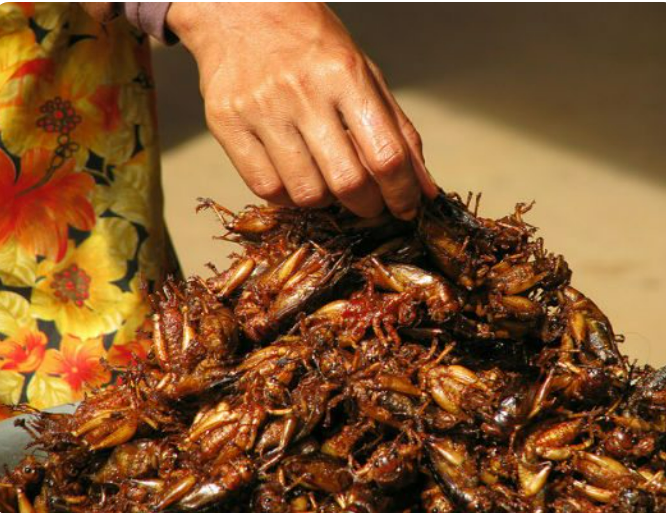
A post-genocidal culinary phenomenon, fried tarantulas have become a popular snack in Cambodia. Often seasoned and deep-fried, they offer a crunchy experience reminiscent of potato chips. These arachnids symbolize resilience and adaptability in a culture historically defined by hardship. Eating fried tarantulas advocates for embracing local food sources that are sustainable and seemingly unconventional.
8. Sannakji (South Korea)
This dish features live octopus that is cut into small pieces and served immediately, often still squirming on the plate. Drizzled with sesame oil, Sannakji offers a unique texture as diners navigate the challenge of bite-sized, wriggling morsels. The preparation and immediate consumption of this dish pose ethical questions while serving as a testament to the lengths to which food culture can extend.
9. Surströmming (Sweden)
A dish that has achieved near-legendary status for its astonishingly fetid aroma, Surströmming consists of fermented herring. Packaged in cans that often bulge from catalytic gases, this traditional meal is typically paired with flatbreads and often consumed outdoors due to its potent smell. Its cultural significance and the tradition surrounding its consumption raise questions about societal norms in culinary practices and scent tolerance.
10. Rocky Mountain Oysters (United States)
Despite the name conjuring images of seafood, Rocky Mountain Oysters are, in fact, bull testicles. Deep-fried and often served with cocktail sauce, this dish exemplifies the adventurous spirit of frontier cuisine in the American West. The audacity to consume such a dish reflects a broader narrative of resourcefulness inherent in rural cultures.
As we traverse the convoluted landscapes of bizarre gastronomy, we encounter not just oddities but narratives steeped in history, survival, and resilience. These strange foods, while perhaps challenging to the senses, serve as reminders of the diverse experiences and legacies that humanity shares across the globe. They invite us not only to broaden our palates but also to embrace the variety of human expression manifested through food. Indeed, each morsel has the potential to offer a taste of culture beyond comprehension, waiting patiently for the curious mind to explore.
FAQ
What makes a food considered strange or unusual?
Foods are often considered strange or unusual due to their uncommon ingredients, unique preparation methods, cultural significance, or sensory experiences that differ significantly from mainstream diets.
Are these strange foods safe to eat?
While many strange foods have traditional preparation methods that ensure safety, some may pose health risks if consumed improperly or without knowledge of their preparation. It’s important to understand the cultural context and preparation standards.
Why do some cultures eat foods that others find strange?
Food choices are influenced by geography, climate, history, and culture. What is considered strange in one culture may be a staple or delicacy in another, reflecting adaptations to available resources and cultural identity.
Can eating strange foods promote sustainability?
Yes. Some unusual foods, such as insects or fermented items, can be sustainable alternatives to conventional livestock, requiring fewer resources and contributing to environmental conservation.




Leave a Reply