
Short Answer
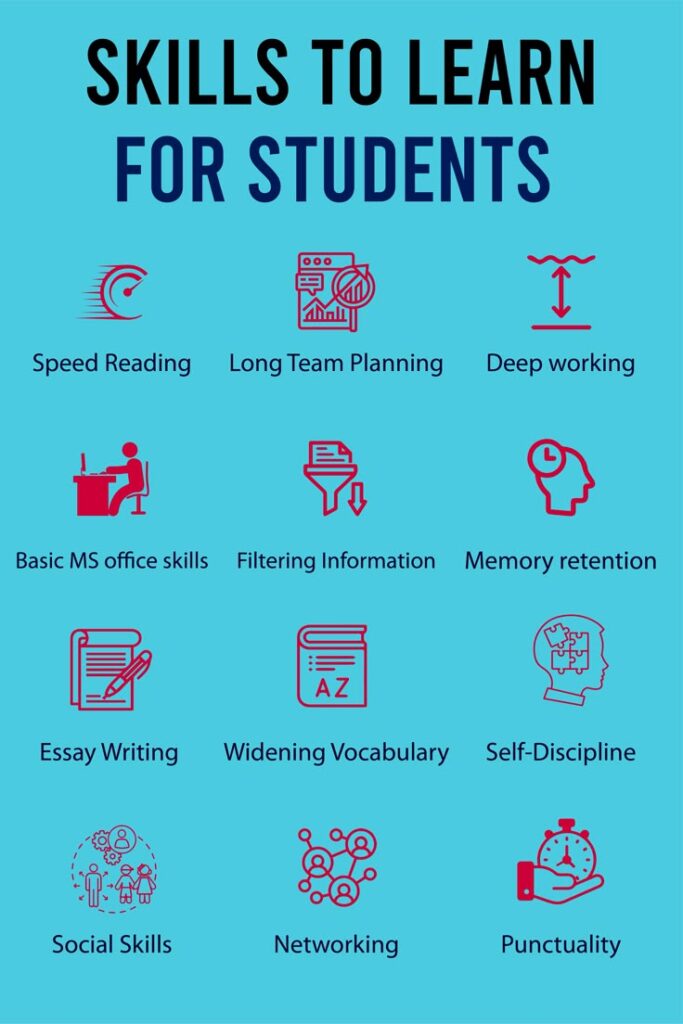
In an ever-evolving world, the education landscape is dynamically shifting, and traditional learning alone may not suffice for students to thrive in their future endeavors. Imagine a scenario where students are not only equipped with academic knowledge but also imbued with essential life skills that empower them to face challenges head-on. What if we cultivated a generation that is both intellectually proficient and adept at navigating the complexities of daily life? This article delves into the top ten skills students must learn early, positing that early mastery can lay a solid foundation for future success.
1. Critical Thinking
Critical thinking is the cognitive skill that enables students to analyze information objectively, evaluate diverse perspectives, and arrive at sound conclusions. In a world inundated with data and opinions, nurturing critical thinking skills can galvanize students to be discerning consumers of information. Engaging them in discussions that require debate, problem-solving, and analysis fosters these skills. The challenge lies in encouraging students to question assumptions, a practice that can significantly enhance their cognitive acuity.
2. Communication Skills
The ability to articulate thoughts clearly and effectively is paramount in both academic and professional settings. Communication encompasses verbal, non-verbal, and written expressions. As students learn to convey their ideas, they must also master the nuances of persuasion and active listening. Shedding light on public speaking opportunities, group projects, and writing assignments can bolster these competencies. However, the real challenge is instilling confidence, as many students grapple with anxiety when faced with the prospect of speaking in public or presenting their ideas.
3. Time Management
In an age of distractions, the art of time management emerges as an indispensable skill. Students often juggle academics, extracurricular activities, and social obligations, making it imperative for them to learn to prioritize tasks effectively. Techniques such as creating schedules and setting deadlines can instill a sense of discipline. The challenge, however, lies in teaching students to resist procrastination and recognize the long-term benefits of time management, fostering a proactive rather than reactive approach to responsibilities.
4. Financial Literacy
Understanding the principles of finance is vital for fostering a sense of agency in personal and professional endeavors. From budgeting to investing, financial literacy equips students with the tools necessary to manage their resources wisely. Initiating lessons on basic financial principles early on can help demystify topics such as credit scores, loans, and savings accounts. The challenge here is making these concepts engaging and relatable, ensuring that students absorb them in a meaningful context rather than viewing them as abstract ideas.
5. Emotional Intelligence
Emotional intelligence (EQ) encompasses the ability to recognize, understand, and manage one’s own emotions while also empathizing with others. Developing EQ in students can enhance interpersonal relationships and conflict resolution skills. Activities involving group dynamics, role-playing, and reflective journaling can be effective in fostering this skill. The challenge exists in cultivating self-awareness, as students often overlook their emotional responses, neglecting the profound impact emotions can have on decision-making and relationships.
6. Collaboration and Teamwork
In a world that increasingly values collaborative efforts, the ability to work effectively in teams is indispensable. Students learn to share ideas, delegate tasks, and accept diverse viewpoints through collaboration. Engaging them in group projects and encouraging peer feedback are vital components of this skill. However, the challenge lies in navigating conflicts that may arise during collaborative tasks. Teaching students how to manage disagreements constructively can turn potential obstacles into opportunities for growth.
7. Digital Literacy
As technology becomes deeply embedded in everyday life, mastering digital literacy is vital for students. This skill encompasses not just the ability to use various software and tools but also to discern credible sources from unreliable ones. Early exposure to responsible internet use, coding basics, and digital etiquette can prepare students for an increasingly digital world. The challenge, however, is keeping pace with rapid technological advancement, ensuring that curricula remain relevant and comprehensive.
8. Adaptability
In a constantly changing environment, adaptability is key to thriving in both personal and professional arenas. Students must learn to navigate uncertainty and embrace change, whether it be shifting academic demands or evolving societal norms. Encouraging a mindset of flexibility through varied learning experiences can foster this skill. The challenge lies in overcoming resistance to change—students often gravitate towards comfort zones, making it essential to highlight the positives of stepping outside these familiar boundaries.
9. Problem-Solving Skills
Equipping students with robust problem-solving skills enables them to approach challenges methodically and creatively. Practical scenarios that demand innovative solutions not only enhance critical thinking but also instill confidence. Whether tackling math problems or real-world issues, students should be encouraged to explore multiple approaches. The challenge, however, is teaching them to embrace failures as learning opportunities rather than deterrents, fostering resilience in the face of obstacles.
10. Self-Discipline and Motivation
Lastly, self-discipline and intrinsic motivation are essential for students to pursue their goals unrelentingly. Instilling a strong work ethic, combined with the ability to set realistic objectives, empowers students to remain steadfast in their pursuits. Techniques such as goal-setting and reflective practices can enhance self-discipline. The challenge here is to help students cultivate this inner drive, as external rewards can often overshadow their intrinsic motivations.
In summary, the skills outlined above serve as vital pillars for fostering a well-rounded educational experience. By emphasizing critical thinking, communication, time management, financial literacy, emotional intelligence, collaboration, digital literacy, adaptability, problem-solving, and self-discipline, educators can create a robust framework that prepares students not only for academic success but also for life’s myriad challenges. As the landscape of education continues to evolve, prioritizing these skills will undoubtedly yield a generation capable of navigating an increasingly complex world with confidence and competence.
FAQ
What are the top skills students should learn early?
The top skills include critical thinking, communication, time management, financial literacy, emotional intelligence, collaboration, digital literacy, adaptability, problem-solving, and self-discipline.
How does financial literacy benefit students?
Financial literacy helps students manage money wisely, understand budgeting, credit, loans, and investing, empowering them for future financial independence.
Why is emotional intelligence important for students?
Emotional intelligence improves self-awareness, empathy, relationship skills, and conflict resolution, which are essential for personal and social success.






Leave a Reply