
Short Answer
Science fiction has continuously captivated audiences by propelling us into the depths of extraordinary realms, unveiling complex ethical dilemmas, and exploring the vast expanses of our imagination. It embeds itself in the human experience, challenging our perceptions of reality, technology, and even existence itself. Have you ever wondered which sci-fi franchises have left the most indelible imprints on our cultural landscape? Join me as we embark on an expedition to unveil the top ten greatest sci-fi franchises of all time—will your favorite make the cut?
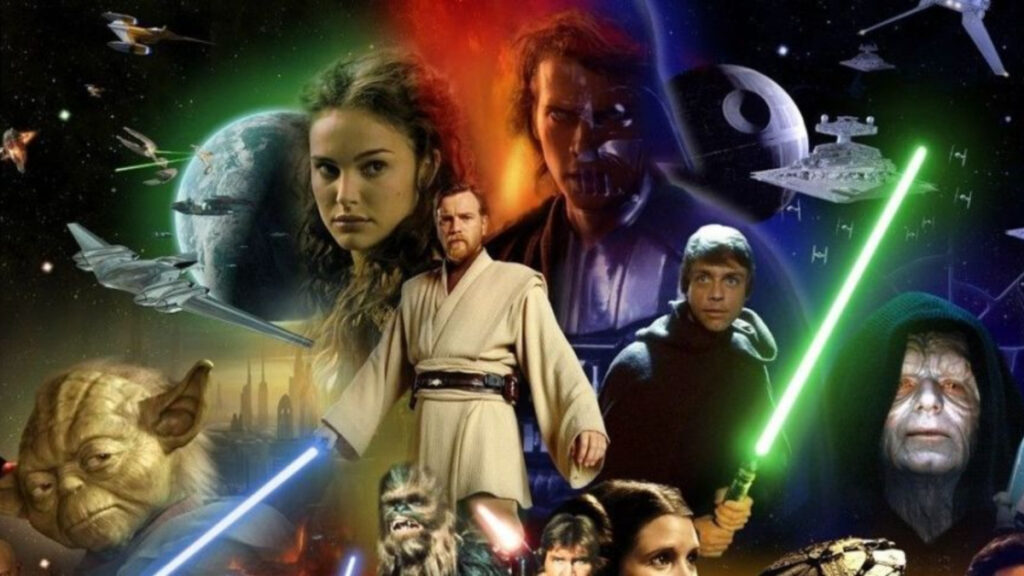
1. Star Wars
No discussion of sci-fi franchises is complete without mentioning this illustrious saga. Since its inception in 1977, “Star Wars” has transcended mere cinematic success to become a cultural phenomenon. With a rich tapestry of characters, expansive lore, and groundbreaking visual effects, it has influenced generations. The persistent struggle between good and evil, encapsulated in the iconic Jedi-Sith dichotomy, resonates universally. “Star Wars” crafts a mythical narrative, drawing from universal archetypes and enriching our understanding of hope, redemption, and legacy.
2. Star Trek
Taking a bold leap into the realm of speculative fiction, “Star Trek” offers a utopian vision of the future, grounded in philosophical musings. First launched in 1966, this franchise has expanded through television series, films, and novels, presenting diverse species and complex ethical questions. Its optimistic portrayal of humanity’s potential for exploration, cooperation, and understanding exemplifies an ideal that many strive for. The optimistic mantra of “to boldly go where no one has gone before” inspires not just creativity but also compassion and unity.
3. The Matrix
With its innovative storytelling and philosophical underpinnings, “The Matrix” series has undeniably reshaped the sci-fi genre since its debut in 1999. The dystopian vision of a world enslaved by machines prompts audiences to question the very fabric of reality. Concepts like free will, perception, and existentialism are interwoven through exhilarating action sequences and visually arresting cinematography. The franchise challenges viewers to ponder: What constitutes reality in a world dominated by technology? The implications of such inquiries stretch well beyond the movie theater.
4. Doctor Who
This British cultural treasure has enthralled audiences since 1963, transcending generations with its time-traveling escapades. “Doctor Who” weaves an intricate narrative, revolving around the Doctor—a Time Lord capable of regenerating into new forms. The franchise beautifully blends adventure, emotion, and intellectual exploration. Its episodic nature allows for limitless storytelling possibilities, each incarnation of the Doctor presenting a fresh perspective on time, morality, and humanity. The excitement lies in its unpredictability: who or what might the Doctor encounter next?
5. Alien
Delving into the depths of horror and suspense, the “Alien” franchise intricately intertwines science fiction with the visceral elements of survival. Beginning in 1979, Ridley Scott’s groundbreaking film introduced audiences to the nightmarish xenomorph and a universe fraught with the unknown. Its exploration of themes such as isolation, corporate greed, and the primal instinct for survival has left an indelible impact on the genre. The franchise’s balance between horror and sci-fi raises tantalizing questions about the essence of humanity when confronted with existential dread.
6. X-Men
Emerging from the pages of comic books, “X-Men” has metamorphosed into a cinematic universe that tackles issues of discrimination, identity, and acceptance. Since 2000, the franchise has explored what it means to be different and the consequential societal ramifications. The allegorical journey of mutants grappling with their abilities serves as a powerful metaphor for marginalized communities, sparking dialogues about diversity and inclusion. The rich character arcs and moral complexities effectively challenge audiences to reflect on their perceptions of ‘normalcy’ in society.
7. Terminator
The “Terminator” franchise, originating from James Cameron’s visionary 1984 film, propels us into a chilling narrative of artificial intelligence and the consequences of technological advancements. This thought-provoking saga contemplates the ramifications of a future dominated by machines. Its intricate plot, embodied by the relentless hunt of the Terminator, instills a sense of urgency and dread around the potential outcomes of our relationship with technology. How might our world change if we allow technology to overtake humanity’s fundamental essence?
8. Dune
Frank Herbert’s “Dune” stands as a monumental literary achievement, later translated into film and television, depicting a vast universe teeming with political intrigue, ecological concerns, and the complexity of human ambition. The intricate dynamics of power, religion, and resource management depicted on the desert planet of Arrakis create a rich narrative exploration that resonates profoundly with contemporary issues. Its recent adaptations have reignited interest and conversation surrounding its themes, encouraging reflections on the balance between humanity and nature.
9. The Hunger Games
In a world where dystopia reigns supreme, “The Hunger Games” trilogy, starting from 2012, posits a chilling reflection on societal structures, class division, and the consequences of totalitarianism. The journey of Katniss Everdeen captures the essence of resilience and rebellion, serving as a narrative that empowers while posing ethical dilemmas about sacrifice and survival. It compels viewers to examine the cost of freedom and the lengths one may go to for justice within a fractured system.
10. The Twilight Zone
This anthology series, which first aired in 1959, pioneered the exploration of speculative fiction on television. Each episode delves into the human psyche, presenting surreal narratives that challenge perceptions of reality and morality. Rod Serling’s masterful storytelling captivates audiences, igniting introspection on the nature of existence. The series’ legacy continues to influence creators and provoke thought about the societal norms that bind us, often leaving viewers questioning: Is the strangeness merely a reflection of our world?
As we conclude this exploration of the top ten greatest sci-fi franchises, the question lingers: which of these remarkable narratives resonates most profoundly with you? Each franchise carries unique dimensions, contributing to the rich tapestry of science fiction storytelling. Regardless of the franchise you favor, what remains undeniable is their capacity to inspire, provoke thought, and ultimately enrich our understanding of the universe and our place within it. What genre will continue to challenge our perceptions and influence our future? Only time will tell.
FAQ
What makes a sci-fi franchise influential?
Influential sci-fi franchises push the boundaries of storytelling, introduce innovative concepts or technology, and resonate with audiences through universal themes and cultural relevance.
How do sci-fi franchises impact society?
They inspire imagination, provoke philosophical and ethical discussions, and often reflect or challenge societal norms and future possibilities.
Are all top sci-fi franchises from films?
No, many top sci-fi franchises originate from or also include television series, such as Doctor Who and The Twilight Zone.






Leave a Reply