
Short Answer
In a world that often reveres the grand and magnificent, the minuscule marvels of the animal kingdom can easily be overlooked. These diminutive creatures, masters of adaptation and survival, challenge our conventional notions of what constitutes a “real” animal. Their astonishing forms and unusual habitats compel us to reconsider our understanding of nature’s vast diversity. Here, we unveil ten of the smallest animals on the planet—each a testament to the beauty that lies in being small, yet profoundly fascinating.
1. Bumblebee Bat
Named for its resemblance to a bumblebee, the bumblebee bat (Craseonycteris thonglongyai) is both enchanting and minuscule. Weighing in at a mere two grams and measuring around 3.3 inches in length, this tiny mammal fluttering through the caves of Thailand and Myanmar is a marvel of evolution. Despite its size, it plays an essential ecological role, helping to control insect populations and disperse seeds in its habitat.
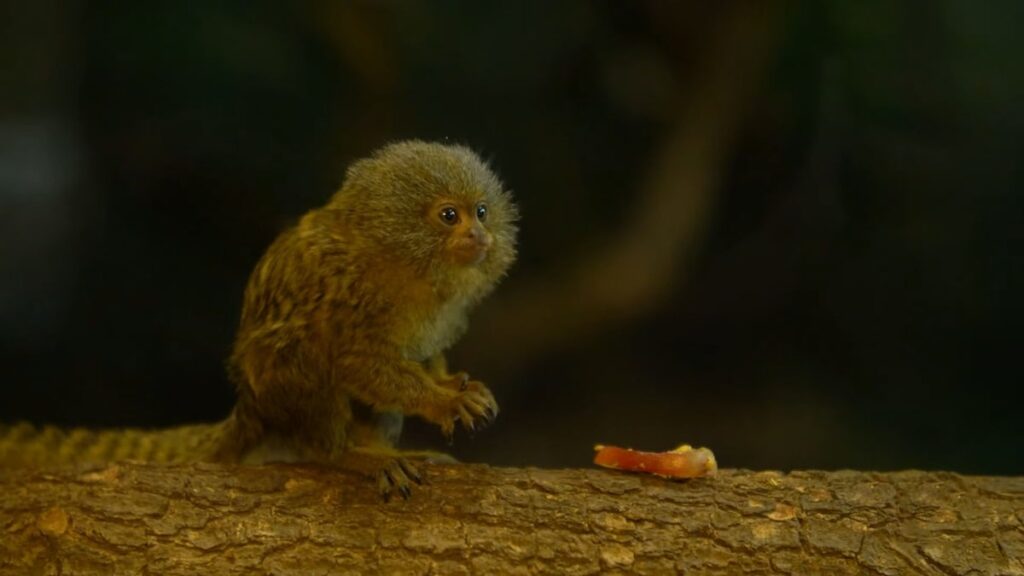
2. Pygmy Marmoset
Weighing just over four ounces and standing about five inches tall, the pygmy marmoset (Cebuella pygmaea) is the world’s smallest monkey. Native to the rainforests of South America, these spirited primates boast a lively disposition and a diet consisting mainly of insects and fruits. Their exquisite agility allows them to navigate the dense foliage of their arboreal home with ease, showcasing their remarkable adaptation to life in the treetops.
3. Etruscan Shrew
The Etruscan shrew (Suncus etruscus) may be tiny, but it possesses a voracious appetite. Weighing approximately 1.8 grams and measuring about 3.5 inches long, it is not only one of the smallest mammals but also one of the most energetic. This little creature can consume food amounts equivalent to its body weight daily, demonstrating a remarkable metabolism. Its high-energy lifestyle is perfectly suited to the lush environments of Europe, Africa, and Asia.
4. Bee Hummingbird
Pygmy and feathery, the bee hummingbird (Mellisuga helenae) flaunts its diminutive stature at around 2.0 inches long and 1.6 grams in weight. Endemic to Cuba, this tiny bird is not just the smallest bird but the smallest warm-blooded animal alive. Its iridescent plumage glimmers like a jewel, while its rapid wingbeats create a mesmerizing spectacle in the sunlight. Bee hummingbirds are essential pollinators, with their astonishing agility making them indispensable in the island ecosystems they inhabit.
5. Paedophryne Amauensis
Discovered in the rainforests of Papua New Guinea, the Paedophryne amauensis is notable for being the smallest known vertebrate. Measuring a mere 7.7 millimeters long, this tiny frog blends seamlessly into its environment, camouflaging within the leaf litter. Its extraordinary size belies its advanced biological systems, including intricate life cycles and reproductive behaviors that facilitate survival in a competitive and complex ecosystem.
6. Cactus Mouse
Compared to its desert-dwelling cousins, the cactus mouse (Peromyscus eremicus) may seem trivial at first glance, yet it remarkably embodies tenacity. Weighing around 25 grams and measuring about 6.5 inches long, these nocturnal rodents can survive the harsh conditions of the arid American Southwest. Their small size allows them to navigate the crevices of cacti—a strategic adaptation that provides both food and shelter from predators.
7. Virgin Islands Dwarf Sphaero
With a body length of just over one inch, the Virgin Islands dwarf sphaero (Sphaerodactylus parthenopion) is a testament to evolution’s capacity for miniature marvels. This tiny gecko thrives in the Caribbean’s unique environments, often blending into the sandy beaches and rocky outcrops of its native land. Its adaptability and resilience highlight the importance of preserving such unique ecosystems to ensure the survival of this exquisite creature.
8. Speckled Beast Moth
At a staggering wingspan of about 1.5 inches, the speckled beast moth (Lymantria dispar) may not sound particularly small at first blush, but when considering its entire lifecycle, it emerges as one of the tiniest members of the moth family. The fascinating metamorphosis from larva to adult is a wonder of nature, drawing attention to its inherent beauty and the vital role it plays in forest ecosystems, where it serves as both prey and mimicry.
9. Dwarf Lantern Shark
Dubbed the world’s smallest shark, the dwarf lantern shark (Etmopterus perryi) resides in the depths of the Caribbean and is a remarkable example of deep-sea adaptation. Stretching to only about 8.6 inches in length, this bioluminescent wonder utilizes its glowing body to attract prey and communicate with potential mates in the dark waters of its habitat. Its diminutive stature is a striking reminder of the mysteries that dwell beneath the ocean’s surface.
10. Bacteria Siphonophore
While not traditionally considered animals, certain single-celled organisms like *Mycoplasma genitalium* are micro-scale life forms that challenge our understanding of biology. Measuring only about 0.2 micrometers, these minuscule bacteria possess complex systems for survival, navigating their environments with remarkable efficiency. Their existence prompts us to contemplate the fundamental nature of life itself and the limitless forms it can take.
In the grand tapestry of the animal kingdom, these smallest animals encapsulate the essence of adaptation and survival. Though they may be diminutive in size, their impacts on their ecosystems—through pollination, pest control, and evolutionary diversity—are monumental. The uncanny characteristics and captivating lives of these creatures challenge our perceptions, urging us to find wonder in the often-neglected corners of our natural world. Each of these small animals invites us into a realm of curiosity and fascination, beckoning us to delve deeper into the mysteries of life in its tiniest forms.
FAQ
What is the smallest mammal in the world?
The bumblebee bat (Craseonycteris thonglongyai) is considered the smallest mammal, weighing around two grams and measuring approximately 3.3 inches in length.
Which animal is the smallest vertebrate?
The Paedophryne amauensis, a tiny frog discovered in Papua New Guinea, is the smallest known vertebrate, measuring only 7.7 millimeters long.
Why are small animals important to ecosystems?
Small animals play crucial roles such as pollination, pest control, and maintaining biodiversity, which are vital for healthy ecosystems.
Is the dwarf lantern shark really the smallest shark?
Yes, the dwarf lantern shark (Etmopterus perryi) is the world’s smallest shark, growing only up to about 8.6 inches long.



Leave a Reply