
Short Answer
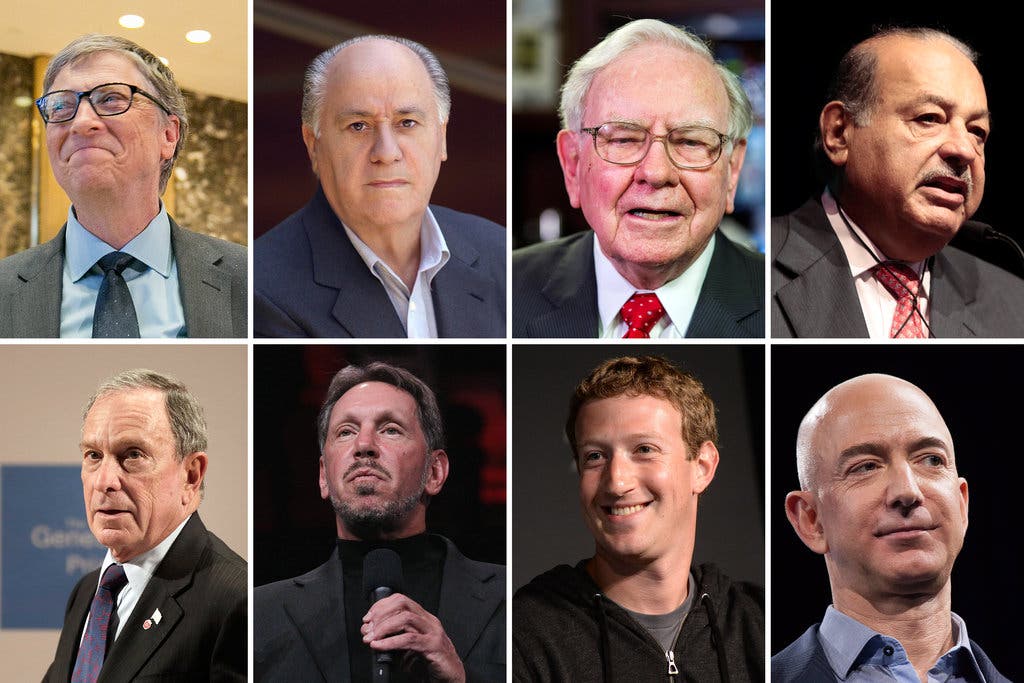
In a world driven by commerce and innovation, a select few individuals wield extraordinary influence over the global economy. These businessmen not only command vast fortunes but also shape industries, set trends, and impact billions of lives through their decisions. The sheer magnitude of their wealth instills a sense of awe, but it also beckons us to explore the intricacies of their influence. The following list delves into the top ten richest businessmen who, either directly or indirectly, control the pulse of the world economy.
1. Elon Musk
Currently perched at the pinnacle of wealth, Elon Musk is the founder and CEO of SpaceX and Tesla, Inc. His ventures in electric vehicles and space exploration have propelled him into the limelight. Musk’s relentless pursuit of innovation and sustainability showcases his vision for a future where energy is clean and interplanetary travel is a reality. His wealth expands beyond traditional metrics; it encapsulates the promise of technological advancement and environmental responsibility.
2. Bernard Arnault
As the figurehead of LVMH Moët Hennessy Louis Vuitton, Bernard Arnault epitomizes luxury. His stewardship has transformed LVMH into a powerhouse encompassing fashion, cosmetics, and fine wines, often competing for dominance with other luxury brands. Arnault’s ability to curate and elevate brands while understanding cultural nuances has proven pivotal. His influence extends, shaping consumer behavior and stimulating the luxury market globally, creating a ripple effect throughout various industries.
3. Jeff Bezos
The founder of Amazon, Jeff Bezos, revolutionized the retail landscape, altering the way consumers shop. From books to groceries, his dominion encompasses a staggering range of products and services, positioning Amazon as a behemoth in e-commerce. Beyond retail, Bezos has made notable strides in cloud computing via Amazon Web Services, facilitating a digital shift that enhances operational efficiencies across sectors. His endeavors reflect an understanding of market dynamics and consumer needs.
4. Larry Ellison
The co-founder of Oracle Corporation, Larry Ellison has profoundly impacted enterprise software solutions and cloud services. His foresight in recognizing the potential of database technology has made Oracle a cornerstone of corporate infrastructure. Ellison’s extraordinary wealth emanates not merely from his company’s success but also from his ability to foresee the technological trajectory of businesses — a skill that has made him a venerated figure in the tech realm.
5. Bill Gates
Often synonymous with technology, Bill Gates co-founded Microsoft Corporation, establishing an ecosystem that would define personal computing. His wealth is augmented by strategic investments through the Bill & Melinda Gates Foundation, focusing on global health, education, and poverty alleviation. Gates’s philanthropic ventures exemplify a transformative perspective on wealth. By addressing systemic issues, he seeks to create a sustainable model for economic development that can uplift entire communities.
6. Warren Buffett
Renowned for his sagacity in investment, Warren Buffett, often called the “Oracle of Omaha,” has amassed a fortune through Berkshire Hathaway’s diverse portfolio. His investment philosophy, grounded in value investing, has rendered him a seminal figure in finance. Buffett’s influence extends to public perception of investment strategies and ethical business practices. His commitment to philanthropy has fostered discussions on wealth distribution, challenging others in the wealthy echelon to reflect on their societal contributions.
7. Mark Zuckerberg
The co-founder of Facebook, now Meta Platforms, Mark Zuckerberg has had an unparalleled impact on social connectivity. His creation has fundamentally altered how individuals engage with each other and consume information. Zuckerberg’s foray into virtual reality and the metaverse illustrates his ambition to guide the next frontier of digital interaction. His wealth secures not just monetary power, but an unprecedented ability to influence societal trends and discourse.
8. Mukesh Ambani
As the chairman and largest shareholder of Reliance Industries, Mukesh Ambani has a significant role in shaping the Indian economy, influencing sectors such as petrochemicals, telecommunications, and textiles. His innovative strategies, particularly in the telecom sector with Jio, have democratized internet access for millions. Ambani’s control over critical infrastructure and media ensures his influence extends well beyond mere financial metrics, weaving through the societal fabric of India.
9. Carlos Slim Helú
Once the richest person in the world, Carlos Slim Helú’s wealth is a tapestry woven through telecommunications, real estate, and retail. With a vast network of holdings across multiple industries in Latin America, Slim has not only influenced market trends but has also shaped economic policies. His philanthropy, directed towards education and health initiatives, underscores his strategy of leveraging wealth for societal advancement.
10. Amancio Ortega
The founder of Inditex, known for the Zara brand, Amancio Ortega exemplifies retail innovation through the fast fashion industry. Ortega’s strategy disrupts conventional retail with its quick turnaround from runway to retail. His influence permeates the fashion landscape, setting standards for consumer expectations and shaping global supply chains. Moreover, his investment acumen in real estate highlights a keen understanding of asset management that extends his economic influence.
In conclusion, the richest businessmen of our era are not just financial giants; they are architects of the global landscape. Their decisions reverberate through industries, shaping ecosystem interactions and consumer behavior. As the world continues to evolve, so will their influence, presenting new challenges and opportunities. Understanding the dynamics at play in their realms prompts us to reflect on our own interconnectedness and the broader implications of wealth in today’s society. Who knows what the future holds? Perhaps the next wave of innovators will emerge from unexpected quarters, ready to redefine our economic realities once more.
FAQ
Who are considered the richest businessmen controlling the world economy?
They include Elon Musk, Bernard Arnault, Jeff Bezos, Larry Ellison, Bill Gates, Warren Buffett, Mark Zuckerberg, Mukesh Ambani, Carlos Slim Helú, and Amancio Ortega.
What sectors do these businessmen predominantly influence?
Technology, luxury goods, retail, telecommunications, investment, and energy sectors.
How do these businessmen impact global markets?
Through innovation, investment, market leadership, and shaping consumer trends and policies.
Are these businessmen involved in philanthropy?
Yes, many engage in philanthropy addressing global issues such as health, education, and poverty.




Leave a Reply