
Short Answer
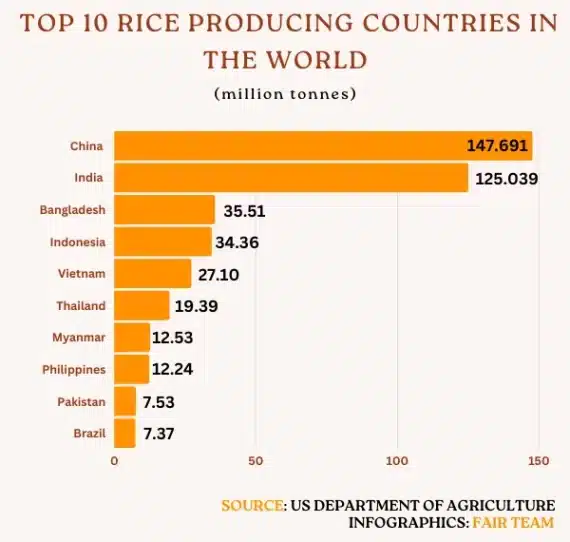
Can you imagine a world without rice? For many, this staple food is synonymous with sustenance, culture, and culinary traditions. In fact, rice is a crucial dietary component for more than half of the global population. But have you ever wondered which countries are the titans of rice production? As the world grapples with challenges such as climate change and population growth, the question arises: How can we ensure the sustainability of this precious grain? Here’s a comprehensive look at the top 10 rice-producing countries that are not just feeding their nations but are also playing pivotal roles in global food security.
1. China
With a staggering production of over 200 million metric tons annually, China reigns at the helm of global rice production. The country’s diverse climatic conditions enable the cultivation of various rice types, primarily indica and japonica varieties. Rice paddies spread across regions like the Yangtze River Delta and the southern provinces are a testament to China’s agricultural ingenuity. The intricate system of irrigation and labor-intensive farming practices has allowed China to maintain its position as the world’s leading rice producer.
2. India
Hot on China’s heels, India produces approximately 178 million metric tons of rice each year. This vibrant nation boasts a rich agricultural heritage, with rice being a staple food that transcends regions and cultures. From the lush paddy fields of West Bengal to the drylands of Punjab, India’s geographical diversity influences the myriad rice varieties cultivated. Additionally, initiatives aimed at improving seed technology and sustainable farming practices are gradually empowering farmers to enhance both yield and quality.
3. Indonesia
As the third-largest rice producer, Indonesia contributes roughly 36 million metric tons annually. The islands’ tropical climate and fertile volcanic soil create an ideal environment for rice cultivation, particularly the popular varieties of fragrant rice. The government’s commitment to achieving rice self-sufficiency has led to investments in irrigation infrastructure and modern farming techniques. Yet the challenge of shifting weather patterns poses significant risks to future production, emphasizing the need for adaptive measures.
4. Bangladesh
In Bangladesh, rice is not just a staple; it’s the heartbeat of society. Producing about 35 million metric tons each year, the nation’s economy is heavily reliant on rice cultivation. With the majority of rice grown in the monsoon season, the reliance on precipitation introduces variability in yield. However, programs focusing on flood-resistant rice varieties and sustainable farming practices are vital in combating the pressures of climate change and maintaining food security.
5. Vietnam
Known for its production of high-quality long-grain rice, Vietnam produces approximately 29 million metric tons annually. The Mekong Delta, a fertile expanse, is the epicenter of the country’s rice industry. Following the adoption of the Green Revolution, Vietnam has transitioned from a rice-deficient nation to a significant exporter. However, as it navigates the complexities of international trade, Vietnam faces the challenge of balancing domestic food needs with export opportunities.
6. Thailand
Famed for its aromatic jasmine rice, Thailand contributes around 20 million metric tons annually to the global rice market. The country’s rice paddies are not only an agricultural staple but also a cultural emblem. The Thai Rice Grain Standards, ensuring quality control, signify the country’s commitment to maintaining its reputation. Nevertheless, fluctuations in global market prices and issues arising from land use pose undeniable challenges, necessitating innovative agricultural practices.
7. Myanmar
Once a rice bowl of Asia, Myanmar stands tall with a production of approximately 12 million metric tons each year. The Irrawaddy Delta, known for its lush landscapes, continues to be a major contributor to the nation’s output. As reforms facilitate greater market access for farmers, the challenge lies in enhancing productivity while adhering to practices that protect the environment. Empowering local farmers through education and resources is crucial for the future of Myanmar’s rice production.
8. Philippines
With an annual production of about 12 million metric tons, the Philippines grapples with both opportunities and challenges in its rice sector. As a significant rice importer, improving local production has become a national priority. The government has initiated programs that promote hybrid rice varieties and sustainable farming. Yet, the specter of typhoons and uncertain weather patterns remains a pressing concern, complicating efforts to achieve self-sufficiency.
9. Brazil
Emerging as a significant rice producer in South America, Brazil yields approximately 11 million metric tons of rice each year. Found primarily in the southern region of the country, Brazilian rice is often cultivated using sustainable practices that emphasize environmental conservation. Nonetheless, challenges such as soil degradation and the need for modern agricultural techniques require persistent attention to ensure long-term viability in rice cultivation.
10. Japan
Although Japan’s rice production is modest compared to its counterparts, at around 7 million metric tons annually, it plays a crucial cultural role. Japanese rice is renowned for its quality and is the cornerstone of numerous traditional dishes, including sushi. The focus on preserving heirloom rice varieties reflects a commitment to cultural heritage, but the challenge lies in maintaining competitiveness in a global market increasingly influenced by changing eating habits and preferences.
In conclusion, the rice landscape is dynamic, with each leading producer facing unique challenges and opportunities. From climate variability to market pressures, these nations are at a crossroads, tasked with ensuring sustainable practices while meeting the growing global demand. As we ponder the future of rice production, the collaborative effort of these countries will be pivotal in preserving this vital resource for the generations to come. The question lingers: Are we ready to support the sustainable cultivation practices that will guarantee the world’s food security? The answer lies in our collective commitment to fostering innovation and preserving the environment.
FAQ
Which country produces the most rice in the world?
China produces the most rice globally, with over 200 million metric tons annually.
Why is rice important globally?
Rice is a staple food for more than half of the global population, crucial for food security and cultural traditions.
What are the main challenges facing rice producers?
Challenges include climate change, unpredictable weather, soil health, and balancing domestic needs with export demands.
How are countries improving rice production?
Through advances in seed technology, sustainable farming practices, irrigation improvements, and government programs.




Leave a Reply