
Short Answer
In the vast tapestry of Earth’s biodiversity, myriad species tread precarious paths toward extinction. While some animals seem to flourish in their numbers, others languish on the brink of oblivion, their existence teetering perilously close to an irreversible collapse. This article delves into the top 10 rarest animals in the world, each representing a facet of nature’s grandeur overshadowed by the encroaching specter of extinction. Their stories, imbued with both tragedy and hope, compel a deeper appreciation of biodiversity and underscore the vital importance of conservation efforts.
1. Amur Leopard (Panthera pardus orientalis)
The Amur leopard, perhaps one of the most enigmatic and critically endangered big cats, primarily inhabits the temperate forests of the Russian Far East and northeastern China. With an estimated population of around 100 individuals, this solitary predator’s survival hinges on the preservation of its forested habitat, which is increasingly threatened by deforestation and poaching. The Amur leopard’s lustrous coat, adorned with rosettes, not only embodies beauty but also the fragility of ecosystems that support such majestic creatures. Finding ways to protect their habitat can shift the balance toward conservation.
2. Vaquita (Phocoena sinus)
Dancing through the murky waters of the Gulf of California, the vaquita holds the disheartening title of the world’s most endangered marine mammal. With fewer than 30 individuals remaining, this diminutive porpoise is ensnared in controversy arising from illegal gillnet fishing targeting another endangered species, the totoaba. The vaquita’s plight poignantly illustrates the intricate interconnectedness of marine ecosystems and the dire consequences of human-induced threats. Advocating for stricter regulations can help ensure that this enchanting creature endures.
3. Javan Rhino (Rhinoceros sondaicus)
With only around 76 individuals residing in Ujung Kulon National Park in Indonesia, the Javan rhino is arguably the most elusive of the five rhinoceros species. This solitary herbivore, cloaked in a thick, loose skin that resembles armor, navigates dense rainforests. Their gentle nature starkly contrasts with their critically endangered status, primarily due to habitat loss and poaching. The Javan rhino’s story is one of hope; ongoing conservation efforts showcase the potential for recovery through targeted habitat protection and anti-poaching initiatives.
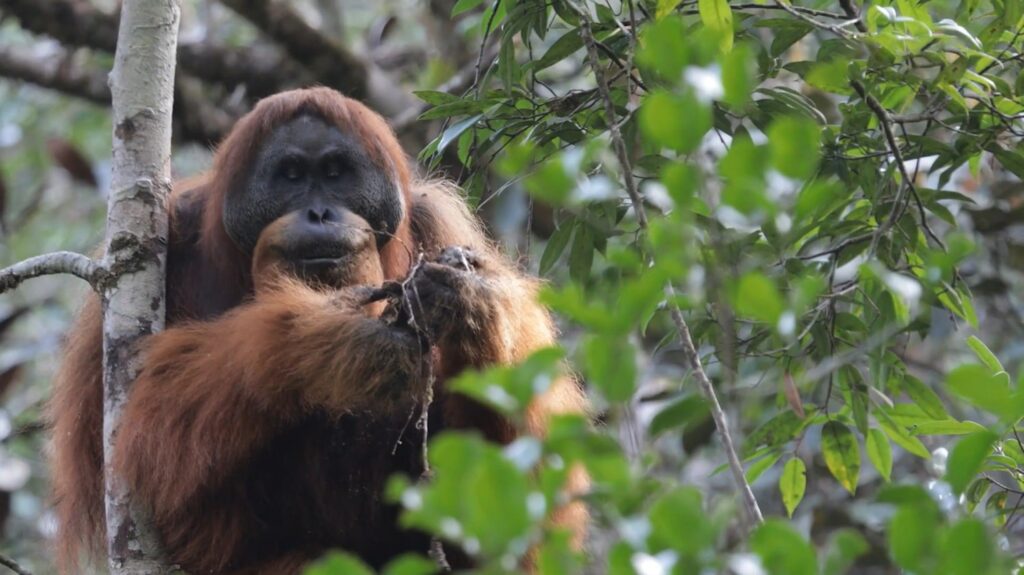
4. Sumatran Orangutan (Pongo abelii)
The Sumatran orangutan possesses a unique charm, characterized by their intelligent gaze and distinctive red fur. Native to the lush rainforests of Sumatra, Indonesia, their population has plummeted to an alarming 14,000 individuals due to deforestation, illegal logging, and palm oil plantations. As our closest relatives, orangutans symbolize the delicate balance between human advancement and ecological integrity. Protecting their habitat not only secures their survival but preserves entire ecosystems, demonstrating humanity’s ability to coexist with nature.
5. Northern White Rhinoceros (Ceratotherium simum cottoni)
Once numbering in the thousands, the northern white rhinoceros now teeters on the edge of extinction, with only two females remaining, both under constant human supervision in a wildlife conservancy in Kenya. This somber reality starkly highlights the ramifications of poaching. The last-ditch efforts of scientists working with advanced reproductive technologies offer a glimmer of hope, unfolding an innovative narrative where human intervention seeks to resurrect what was nearly lost forever. The northern white rhino represents a poignant reminder that extinction is not only a biological loss but also a cultural one.
6. Kakapo (Strigops habroptilus)
The kakapo, or the “owl parrot,” hails from New Zealand, embodying an extraordinary convergence of avian resilience and vulnerability. Fluffy and herbivorous, this flightless parrot has charming adaptations that make it truly unique amidst birdkind. With less than 250 individuals left, conservationists have painstakingly worked to shield their habitats from invasive predators, promoting their resurgence to sustainable population levels. The kakapo’s revival story serves as an inspiring testament to humanity’s responsibility toward protecting endangered species.
7. Yangtze Giant Softshell Turtle (Rafetus swinhoei)
Possessing an ancient lineage, the Yangtze giant softshell turtle, once abundant in China’s waterways, faces an existential crisis, with only three known individuals remaining. This turtle species is an aquatic marvel, characterized by its massive size and soft, leathery shell. The challenges of habitat destruction and pollution have culminated in this dire situation. Conservationists strive to breed the remaining individuals, exemplifying how concerted efforts can forge pathways to recovery for even the most beleaguered species.
8. Philippine Eagle (Pithecophaga jefferyi)
Draped in a majestic plume of feathers, the Philippine eagle reigns as a symbol of pride and cultural significance in its homeland. With a population estimated to be fewer than 400 individuals, habitat destruction and hunting have rendered this raptor critically endangered. Towering tree canopies in the Philippines serve as vital territory for these apex avian predators. The protection of their rainforest habitats illustrates how the conservation of one remarkable species can reverberate through entire ecosystems.
9. Saola (Pseudoryx nghetinhensis)
Often dubbed the “Asian unicorn,” the saola is an elusive bovine endemic to the Annamite Range, bordering Vietnam and Laos. Its rarity is compounded by its secretive nature and isolation within dense forests. Sightings are few, with the population estimates hovering in the low hundreds. Conservationists face the daunting task of preserving saola habitats from deforestation and poaching. This enigmatic creature’s existence invites curiosity, challenging humanity to preserve the mysteries still hidden within nature.
10. Addax (Addax nasomaculatus)
The addax, also known as the white antelope, once roamed the Sahara in great numbers, but now fewer than 100 individuals exist in the wild. Its adaptations to arid environments and striking spiral horns make it a remarkable representative of desert life. The addax’s plight is exacerbated by habitat degradation, hunting, and climate change. Conservation initiatives focused on habitat restoration are critical to facilitating their survival, serving as a microcosm of the issues facing many desert-dwelling species worldwide.
In conclusion, the tales of these ten rarest animals in the world beckon us to reflect on the importance of conservation. Each species embodies an intricate part of the ecological fabric, and their possible extinction reverberates beyond their immediate environments. As humanity continues to encroach upon natural habitats, fostering awareness and collective action is essential for securing a future where these remarkable creatures not only survive but thrive. Embracing our roles as stewards of biodiversity, we can ensure that the songs of these rare animals continue to echo through the ages.
FAQ
What criteria determine if an animal is considered rare or almost extinct?
An animal is considered rare or almost extinct when its population size is critically low, often with fewer than a few hundred individuals left, and is facing imminent risk of extinction due to factors like habitat loss, poaching, or environmental changes.
Why is it important to conserve rare and endangered animals?
Conserving rare and endangered animals helps maintain biodiversity, protect ecosystems, and preserve the ecological balance which supports life on Earth, including human wellbeing.
What are some common threats to the rarest animals in the world?
Common threats include habitat destruction, illegal poaching, climate change, pollution, and invasive species that disrupt natural ecosystems.
How can humans contribute to the conservation of endangered species?
Humans can contribute by supporting conservation organizations, advocating for stronger environmental protections, reducing habitat destruction, and promoting sustainable practices.





Leave a Reply