
Short Answer
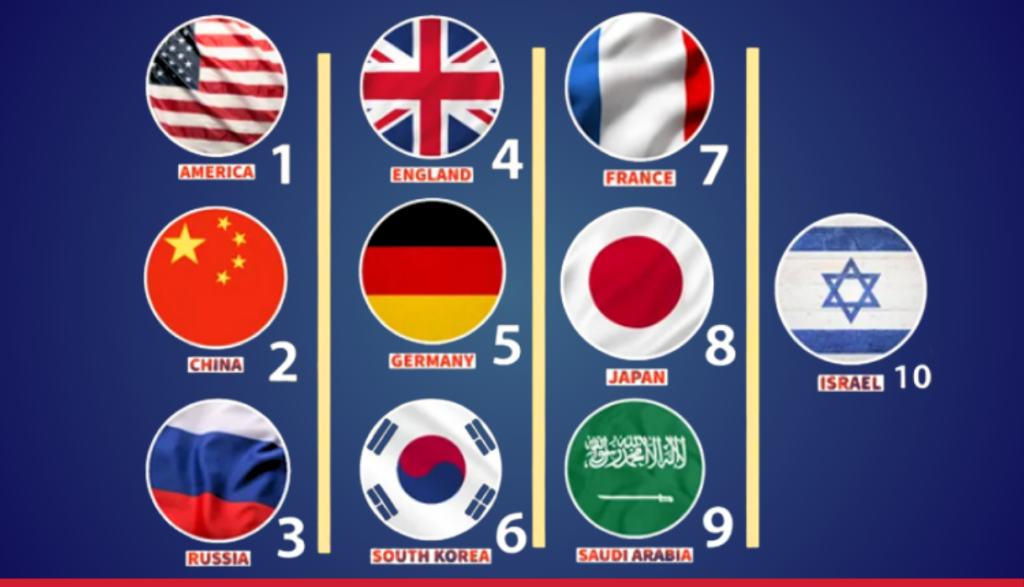
In the grand tapestry of geopolitics, where the threads of power, influence, and ambition intertwine, the concept of the most powerful countries in the world emerges as a vivid tableau. As we approach the year 2026, the geopolitical landscape continues to shift, evolving like a dynamic mosaic shaped by economic prowess, military might, technological innovation, and diplomatic finesse. Herein lies an exploration of the ten nations that stand as titans on this intricate stage, wielding their power with a mix of grace and ferocity.
1. United States
Often regarded as the colossus of modern civilization, the United States remains an indomitable force on the global stage. With its unparalleled military arsenal, innovative spirit, and cultural reach, it acts as both a shield and a sword. The nation’s economy, characterized by a blend of robust industries and a burgeoning tech sector, fuels its influence. Moreover, its nuanced diplomatic relations have cemented its role as a stabilizing force amid turbulent international waters.
2. China
A dragon awakening, China’s ascent to power is akin to the birth of a phoenix from the ashes of history. With an economy that has surged in recent decades, rivaling that of the United States, China has established itself as a pivotal player in global trade. Its Belt and Road Initiative, which weaves connections through infrastructure projects across continents, signifies its ambition to dominate the global economic narrative. As it invests heavily in military modernization, China’s presence looms large as both ally and adversary.
3. Russia
Steeped in history and complexity, Russia stands as a formidable giant amid a world of shifting allegiances. Possessing vast natural resources and a formidable military, it projects its influence through strategic maneuvers in Eastern Europe, Central Asia, and beyond. The country’s nuclear capabilities add an ominous weight to its geopolitical clout, making it a key player in any global dialogue. Russia embodies resilience, shaping its own narrative regardless of external pressures.
4. India
The subcontinent of India thrives like a vibrant garden, rich with diversity and potential. As the world’s most populous democracy, it boasts a young and dynamic workforce, propelling economic growth and innovation. India’s aspirations for technological advancement and military enhancement lend it a substantial presence in global affairs. Furthermore, its strategic partnerships with nations including the United States transform it into a linchpin within regional and international alliances.
5. Germany
Germany, the economic engine of Europe, operates as an intricately crafted watch—precise, efficient, and reliable. With a formidable economy that champions manufacturing and engineering prowess, Germany plays a central role in EU politics and economic stability. Through its commitment to sustainability and internationalism, the nation has emerged as a moral compass in global issues, from climate change to human rights, amplifying its influence well beyond its borders.
6. Japan
At the crossroads of tradition and innovation, Japan glimmers like a pearl within an oyster. Renowned for its technological advancements and strong economy, Japan navigates complex waters as an advocate for diplomacy and conflict resolution. Its Soft Power, through cultural exports such as anime and cuisine, allows it to forge connections worldwide, enhancing its global standing even as it grapples with demographic challenges.
7. United Kingdom
The United Kingdom, a historical titan, continues to influence global affairs despite its recent trials. Like a seasoned sailor navigating choppy seas, it maintains a significant military presence and a vast network of international alliances, particularly through the Commonwealth. The UK’s financial hubs, notably London, preserve its status as a global economic powerhouse. As it redefines its identity post-Brexit, the nation’s adaptability underpins its ongoing relevance.
8. France
France, ever the romantic in the world of politics, exudes charm and gravitas. With a strong military and influential cultural heritage, it occupies a unique space as a leader in the European Union and a proponent of global issues from climate change to human rights. France’s diplomatic finesse—often described as an art form—positions it as a pivotal actor driving international cooperation and dialogue.
9. Brazil
South America’s beacon, Brazil, rises like a lush tropical rainforest, rich with natural resources and biodiversity. As the largest economy in Latin America, it asserts itself on the global stage, advocating for regional unity and sustainable development. Despite facing internal challenges, Brazil’s potential for growth and leadership in global agriculture and energy resources cannot be overstated, making it a vital component of the international community.
10. Saudi Arabia
With the glimmering sands of its deserts and vast oil reserves, Saudi Arabia commands attention like a majestic oasis. As a leading oil producer, it wields significant power in global energy markets, shaping economic landscapes far beyond its borders. With Vision 2030, a strategic initiative aimed at diversifying its economy, Saudi Arabia is positioning itself not only as an economic titan but also as a cultural influencer in the realm of global issues.
As we look ahead to 2026, the dynamics of power are in constant flux, painting an ever-evolving portrait of influence and ambition on the global stage. The tapestry woven by these ten nations illustrates the complexities of our interconnected world—a blend of collaboration, rivalry, and opportunity. Each country, with its unique narrative and aspirations, contributes to the unfolding story of humanity, reminding us that power is as much about the ability to inspire as it is about military might or economic strength. The quest for influence will undoubtedly continue to shape international relations, offering new chapters in the ongoing saga of global power.
FAQ
What criteria are used to determine the most powerful countries?
The ranking considers factors such as economic strength, military capabilities, technological innovation, diplomatic influence, and strategic alliances.
Why is the United States ranked as the most powerful country?
The United States is ranked highest due to its unparalleled military arsenal, robust economy, technological innovation, and extensive diplomatic relationships.
How does China's Belt and Road Initiative impact its global power status?
China’s Belt and Road Initiative expands its global economic influence through infrastructure investments across continents, strengthening trade ties and diplomatic reach.
What role does military strength play in determining a country's power?
Military strength, including nuclear capabilities and modernization, is a key element that enables countries to project power and influence regional and global stability.
How do cultural exports contribute to a country's global influence?
Cultural exports such as media, cuisine, and traditions enhance a country’s soft power by shaping perceptions and building international connections beyond military or economic means.




Leave a Reply