
Short Answer
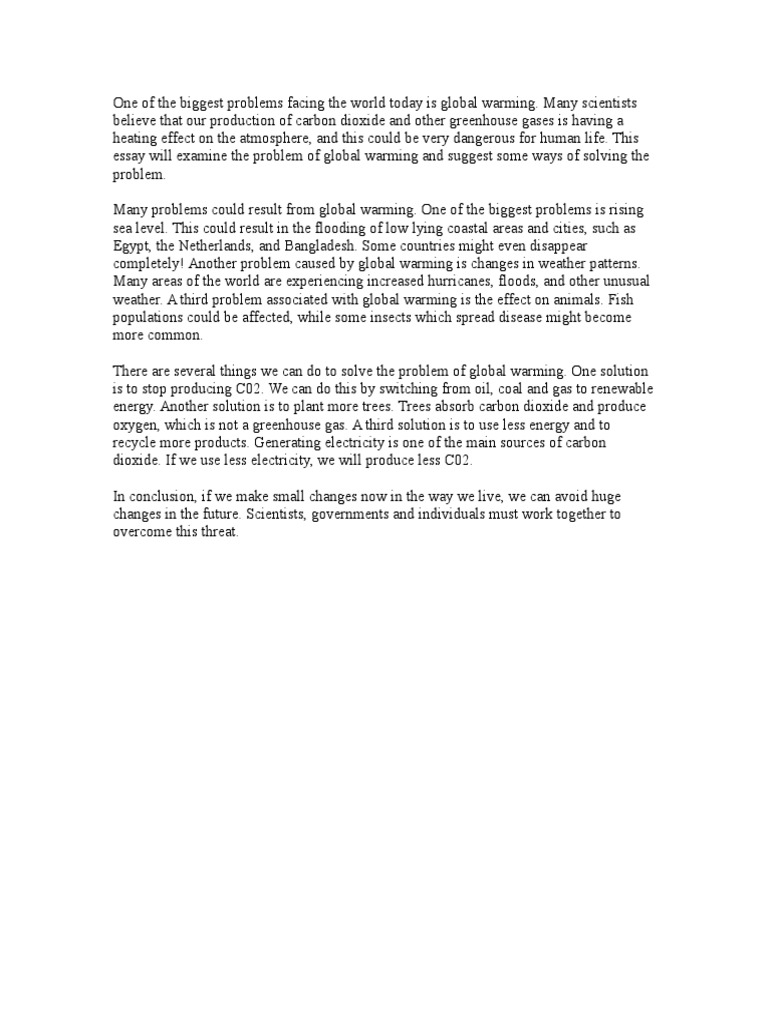
The landscape of global challenges is ever-evolving, with the year 2026 poised to present an array of critical issues that demand urgent attention and innovative solutions. This article delves into the top ten pressing problems that humanity is likely to confront, each influencing myriad aspects of life, governance, and the environment. From climate change to geopolitical tensions, these concerns echo the complexities of our interwoven world.
1. Climate Change and Environmental Degradation
Climate change remains the elephant in the room, exacerbating both environmental and human crises. By 2026, rising global temperatures will likely intensify, resulting in more frequent and severe weather events. Floods, droughts, and wildfires will become increasingly common, leading to crop failures and water scarcity. The degradation of ecosystems is anticipated to accelerate, placing countless species at risk of extinction and affecting biodiversity. Initiatives for sustainable practices and renewable energy will be pivotal in mitigating these effects.
2. Global Health Crises
The COVID-19 pandemic has laid bare the vulnerabilities in global health systems, revealing the potential for new health crises. In 2026, the world may grapple with the repercussions of antibiotic resistance, rising mental health issues, and emergent zoonotic diseases. Coordinated global surveillance and rapid response mechanisms will be essential to combat these health threats effectively. Public health infrastructures must be fortified to ensure resilience against existing and future pathogens.
3. Economic Inequality
As the chasm between the affluent and the impoverished widens, economic inequality will loom larger than ever. By 2026, many nations will likely face the socio-political ramifications of wealth disparity, potentially igniting civil unrest and populist movements. The concentration of wealth among a small elite undermines social mobility and fosters discontent. A focus on equitable distribution of resources, alongside policies that promote fair wages and social safety nets, will be vital in curtailing this growing divide.
4. Geopolitical Tensions and Conflicts
With a constantly shifting geopolitical landscape, international relations may fray further by 2026. Rivalries among major powers could escalate, leading to heightened tensions in regions such as the South China Sea and Eastern Europe. Protracted conflicts, driven by nationalism and territorial disputes, will pose challenges for global diplomacy. Engaging in dialogue and fostering collaboration will be paramount to avert potential escalations and promote lasting peace.
5. Cybersecurity Threats
As societies become increasingly digital, the specter of cyberattacks looms large. By 2026, the sophistication of ransomware, data breaches, and state-sponsored cyber espionage is expected to surge. Critical infrastructures, like power grids and financial systems, may become prime targets. Establishing robust cybersecurity frameworks, enhancing public awareness, and promoting international cooperation in cyberspace will be critical to safeguard both individual and national security.
6. Resource Scarcity
As the global population nears 8 billion, the strain on natural resources will intensify dramatically. In 2026, water scarcity, particularly in arid regions, may lead to conflicts and displacements. Additionally, the depletion of fossil fuels and minerals will necessitate a transition to sustainable materials and consumption habits. Innovations in resource management and conservation will be crucial to address the burgeoning demand while preserving the planet for future generations.
7. Technological Disruption and Employment
Automation and artificial intelligence promise to reshape the workforce in unprecedented ways. By 2026, significant sectors may experience substantial job displacement, leading to economic upheaval for millions. The challenge lies in adapting education and training programs to equip individuals with the skills necessary for an evolving job market. Policymakers will need to explore universal basic income and robust social safety nets to cushion those affected.
8. Political Polarization
The divisive political climates in many countries have implications that extend beyond the ballot box. By 2026, political polarization may further entrench societal divisions, impairing governance and civic engagement. This fragmentation hinders collective action on pressing issues such as climate change and public health. Fostering dialogue and understanding among disparate groups will be essential in cultivating a more cohesive societal fabric.
9. Migration and Displacement
Conflict, climate change, and economic instability will inevitably force millions to flee their home countries. By 2026, the number of displaced individuals may reach unprecedented levels, straining both host countries and humanitarian networks. Addressing the root causes of migration, alongside implementing fair asylum policies and integration programs, will be necessary to aid those seeking refuge while maintaining social harmony.
10. Erosion of Trust in Institutions
The credibility of political, scientific, and media institutions is essential for societal stability. By 2026, disinformation campaigns and scandals may have further eroded public trust, complicating cooperation on global issues. Restoring faith in these institutions will necessitate transparency, accountability, and genuine engagement with citizens. The media must prioritize fact-based reporting to counteract misinformation and foster informed public discourse.
In conclusion, the challenges of 2026 will require a confluence of foresight, collaboration, and innovation. Addressing these multifaceted problems is not merely a responsibility for governments but a collective imperative for society. By fostering global cooperation and encouraging civic engagement, humanity can navigate these crises, striving toward a more sustainable, equitable, and secure future for all.
FAQ
What are the biggest global problems expected in 2026?
The biggest global problems expected in 2026 include climate change, global health crises, economic inequality, geopolitical tensions, cybersecurity threats, resource scarcity, technological disruption, political polarization, migration and displacement, and erosion of trust in institutions.
How will climate change affect the world in 2026?
By 2026, climate change is expected to cause more frequent and severe weather events such as floods, droughts, and wildfires, leading to crop failures, water scarcity, and accelerated ecosystem degradation.
Why is economic inequality a growing concern for 2026?
Economic inequality is expected to worsen, potentially causing social unrest and undermining social mobility due to the concentration of wealth among a small elite.
What role does cybersecurity play in global security in 2026?
Cybersecurity threats are projected to intensify, with critical infrastructure increasingly targeted by sophisticated cyberattacks, necessitating robust protection measures and international cooperation.
How can global cooperation help address these challenges?
Global cooperation can foster collaboration, resource sharing, and coordinated responses to complex problems, enabling more effective solutions and resilience against multifaceted crises.





Leave a Reply