
Short Answer
The allure of a high income is a prevalent theme in American society; it permeates our media, financial aspirations, and socio-economic discussions. For many, the concept of earning within the top 10% of income earners in the United States is not merely a statistic but rather a tantalizing goal. However, the specifics of what it takes to attain this lofty status often elude many. This guide aims to elucidate the monetary benchmarks for entry into the top decile of earners, delving beyond mere numbers to explore the compelling factors intertwined with such financial elevations.
Understanding the Top 10% Income Threshold
As we segue into 2026, the conversation surrounding the top 10% income in the United States takes on a new urgency. For this demographic, income is not solely a reflection of financial success but often embodies a complex interplay of education, professional leverage, and geographical variances. In 2026, the income threshold to be categorized among the top 10% is anticipated to be approximately $200,000 annually. This figure is not static; it ebbs and flows with inflation, economic policies, and market trends.
Geographical Disparities
The geography of income can paint a starkly varied picture. In metropolitan hubs such as San Francisco or New York City, the threshold might escalate due to the exorbitant cost of living and heightened competition for lucrative roles. Thus, in these urban landscapes, one might find that an annual income of $300,000 could barely secure a place within the upper echelon. Conversely, in rural areas and smaller towns, lower income brackets may define the top 10%, with figures dipping closer to $150,000. This geographical disparity accentuates the importance of understanding local economic contexts when discussing income levels.
Income Composition: Salary vs. Wealth
It is essential to differentiate between income and wealth, as the narrative surrounding the top 10% can often conflate the two. Income refers to the annual earnings from labor, investments, and other sources, whereas wealth encompasses the total assets owned, including real estate, savings, and investments. Thus, some individuals might earn a high income but have limited wealth due to lavish spending habits or external economic factors. Understanding this distinction can provide deeper insights into the financial ecosystems that allow certain individuals to thrive.
Professional Pathways into the Top 10%
Navigating one’s career trajectory towards the coveted top 10% income often involves strategic occupational choices. High-demand fields such as technology, finance, and healthcare tend to yield higher salaries, with many positions offering lucrative compensation packages. For instance, roles such as software engineers, investment bankers, and specialized medical professionals often surpass the $200,000 threshold. Moreover, the emergence of remote work opportunities has amplified access to these high-paying roles, allowing talented individuals in less populous states to compete on a national scale.
Educational Credentials and Networking
Education remains a pivotal factor in securing high-income positions. Advanced degrees, certifications, and continual professional development can augment an individual’s qualifications, providing the edge necessary to enter high-earning roles. However, connectivity with other professionals and industry leaders cannot be overstated. Networking remains an invaluable asset, offering avenues for mentorship and collaborative opportunities that can expedite career advancement and financial ascent.
Investment and Income Diversification
To truly thrive within the top 10%, diversification of income sources can prove beneficial. Passive income streams from investments, side businesses, or real estate can significantly amplify earnings. Savvy investors understand the importance of portfolio diversification, employing various asset classes to mitigate risks and maximize returns. By leveraging these strategies, individuals can enhance their financial stability and push their earnings beyond the traditional salary framework.
Understanding Lifestyle Inflation
The phenomenon of lifestyle inflation—a tendency to inflate one’s living standards in response to increased income—poses a challenge for many in the top 10%. As financial capabilities expand, so too can expenditure, leading to a delicate balancing act. Being conscious of spending habits and prioritizing savings can help sustain and build wealth over time. Financial prudence becomes paramount; maintaining a high income does not equate to substantial wealth unless one exercises restraint and strategic investment.
Taxes and Obligations
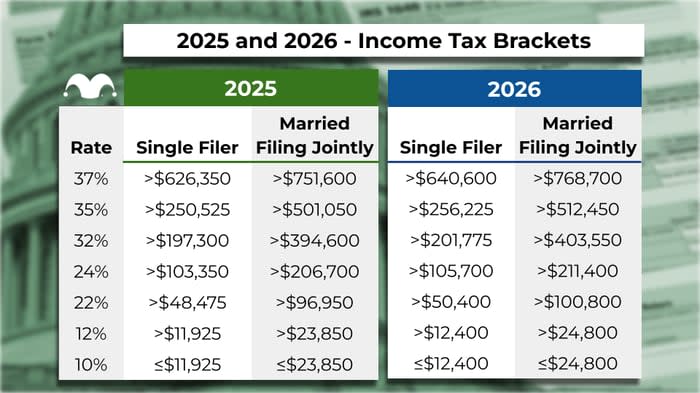
It is also critical to account for taxation in the financial equation. Income taxes can substantially diminish take-home pay for high earners, necessitating a comprehensive understanding of tax obligations and effective planning strategies. Various deductions, credits, and tax-efficient investment vehicles can offer pathways to optimize one’s financial standing. Engaging with financial advisors can provide crucial insights into navigating this complex landscape.
Conclusion: The Pursuit of Financial Empowerment
In conclusion, the pursuit of a position within the top 10% of income earners is a multifaceted endeavor that transcends mere monetary aspirations. It encapsulates an ongoing journey marked by strategic decisions, educational investments, careful networking, and financial management. As the landscape of income evolves towards 2026, understanding the intricate layers that contribute to high earnings can empower individuals to forge their paths, cultivate resilience, and ultimately flourish in an increasingly competitive environment. The fascination with this status will likely persist, driven by inherent human aspirations for success, security, and the ability to shape one’s destiny.
FAQ
What defines the top 10% income earners in the US?
Individuals earning approximately $200,000 or more annually, adjusted for location and occupation, are generally considered in the top 10%.
Why does the income threshold vary by location?
Cost of living and economic competitiveness cause income thresholds to be higher in major metropolitan areas compared to rural regions.
How important is education to reach the top 10% income bracket?
Advanced education and professional development are crucial factors that improve chances of securing high-paying jobs.
Is high income the same as wealth?
No, high income refers to earnings in a year, whereas wealth is the total value of assets owned.
What role does tax planning play for top earners?
Effective tax planning helps high earners optimize take-home pay by leveraging deductions, credits, and tax-efficient investments.




Leave a Reply