
Short Answer
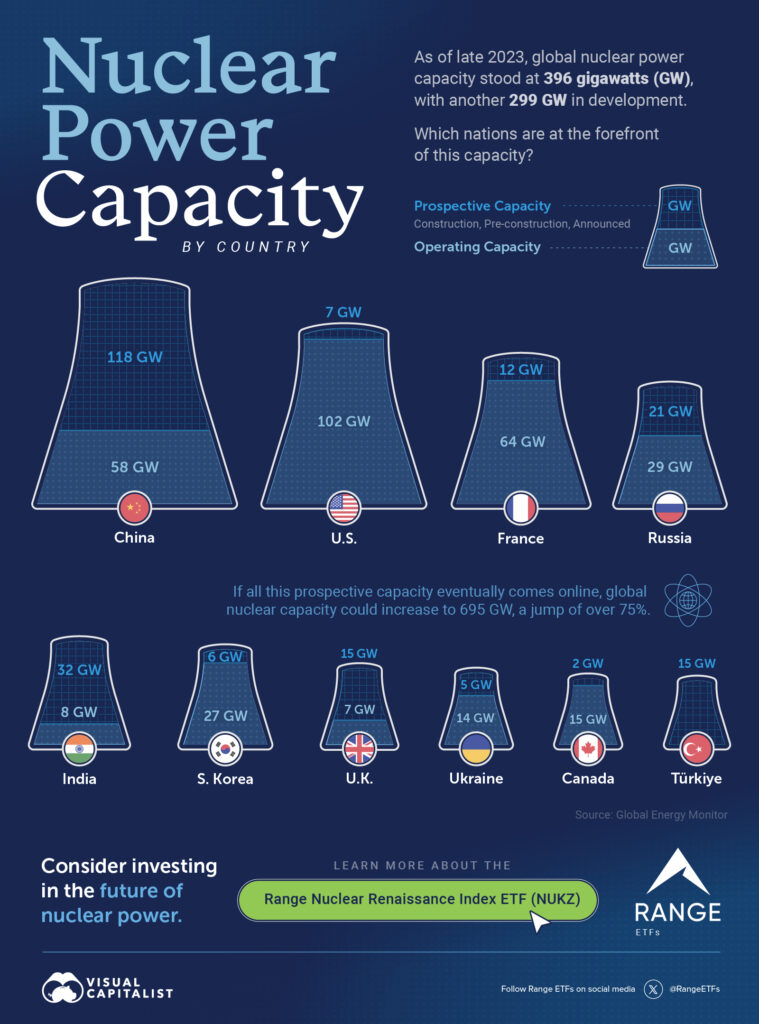
As global demand for energy burgeons amid concerns over climate change and sustainability, nuclear power has emerged as a formidable contender in the energy landscape. Harnessing the potent energy released through atomic fission, countries around the world are investing heavily in nuclear technology. This article delves into the top 10 nuclear power countries, ranked by their nuclear strength, exhibiting their capabilities not just in terms of energy output but also technological advancement and global influence.
1. United States
With an impressive fleet of over 90 commercial nuclear reactors, the United States stands as the titan of nuclear power generation. Contributing nearly 20% of the country’s electricity, these reactors operate at an exceptional efficiency rate. The U.S. has long been a pioneer in nuclear technology, developing advanced reactor designs and safety protocols that have set global standards. Furthermore, the nation’s extensive research endeavors in nuclear fusion could potentially redefine energy production for the future.
2. France
Remarkably, France generates about 70% of its electricity from nuclear energy, positioning it as the highest percentage globally. The French nuclear industry is lauded for its commitment to innovation and safety; their fleet of reactors, primarily of the pressurized water type, has a reputation for reliability. Beyond domestic energy needs, France also plays a crucial role as an exporter of nuclear technology, demonstrating its technological prowess on the international stage.
3. China
China is not merely an emerging player; it is rapidly establishing itself as a powerhouse in nuclear energy. With a significant increase in the number of reactors in a short span, China has ambitious plans to double its nuclear generating capacity by 2030. The country’s aggressive investment in nuclear technology is complemented by its focus on developing advanced reactors and even experiments in thorium-based nuclear fuel, highlighting its commitment to long-term energy sustainability.
4. Russia
Russia possesses a robust infrastructure of nuclear reactors, second only to the U.S. in terms of output. The nation’s state-owned enterprise, Rosatom, is a behemoth in the nuclear sector, engaging in both domestic power generation and global nuclear operations. Russia’s expertise extends to the construction of reactors in various countries, promoting a brand of nuclear diplomacy that enhances its geopolitical leverage as a leading energy provider.
5. Japan
Japan’s journey with nuclear power has been tumultuous, particularly following the Fukushima disaster. However, the country is slowly revitalizing its nuclear sector, with a renewed focus on safety and advanced technology. Currently, Japan operates more than 30 nuclear reactors, providing approximately 6-7% of its electricity. The continuous investment in research and development signals Japan’s intention to harness nuclear energy in a safe and responsible manner, while striving for a net-zero future.
6. South Korea
South Korea stands out for its impressive nuclear efficiency and high level of public acceptance of nuclear power. With over 24 reactors, the country generates around 30% of its electricity from nuclear sources. The Korean nuclear industry is characterized by advanced technologies and an emphasis on safety and innovation, positioning South Korea as a key player in the global nuclear arena, showcasing its reactor designs to international markets.
7. India
India is on a trajectory to bolster its nuclear power production significantly, with plans to triple its capacity over the next decade. Currently, nuclear energy contributes around 3% of the country’s total electricity generation. The Indian government is investing heavily in indigenous technology and developing new reactors, including the pressurized heavy water reactor (PHWR), emphasizing its vision of energy independence while simultaneously addressing environmental challenges.
8. Canada
Canada’s nuclear power industry flourishes with a fleet predominantly comprising CANDU reactors. Contributing about 15% of the nation’s electricity, Canadian nuclear facilities are renowned for their safety records and efficient operations. Canada’s commitment to use nuclear technology not only for power generation but also for medical applications underscores the versatility of nuclear energy, fostering a multidimensional approach to harnessing its potential.
9. Ukraine
Despite the challenges posed by geopolitical strife, Ukraine remains a significant player in the nuclear sector, producing around 55% of its electricity from nuclear sources. The country operates several Soviet-era reactors, but it is also pursuing modernization and enhancements to boost safety and efficiency. Ukraine’s strategic focus on nuclear energy is increasingly relevant, especially as it seeks energy security amidst regional uncertainties.
10. Germany
Germany has embarked on a controversial journey of phasing out nuclear energy following the Fukushima incident, yet it still operates several reactors that contribute around 12% of its electricity. The country’s comprehensive approach towards energy transition, coupling renewable sources with existing nuclear capabilities, showcases a unique strategy to balance sustainability with energy reliability. Despite its declining number of active reactors, Germany’s historical influence in the nuclear sector remains significant.
In conclusion, the landscape of nuclear power is evolving rapidly, shaped by technological advancements, regulatory environments, and public perceptions. Countries leading in nuclear strength demonstrate not only their capability to produce electricity but also their commitment to sustainable development. As nations continue to embrace or rethink their nuclear capabilities, the global energy narrative is entwined with the promise of innovation and responsibility, piquing curiosity about what lies ahead in the world of nuclear power.
FAQ
Which country produces the highest percentage of its electricity from nuclear power?
France produces about 70% of its electricity from nuclear energy, the highest percentage globally.
What is the largest number of nuclear reactors operated by a single country?
The United States operates over 90 commercial nuclear reactors, the largest fleet in the world.
How is nuclear power contributing to global energy sustainability?
Nuclear power provides a low-carbon energy source that can generate large amounts of electricity reliably, helping countries reduce greenhouse gas emissions and address climate change.
What are some challenges faced by countries using nuclear power?
Challenges include safety concerns, radioactive waste management, public acceptance, geopolitical risks, and the high cost of building and maintaining nuclear plants.





Leave a Reply