
Short Answer
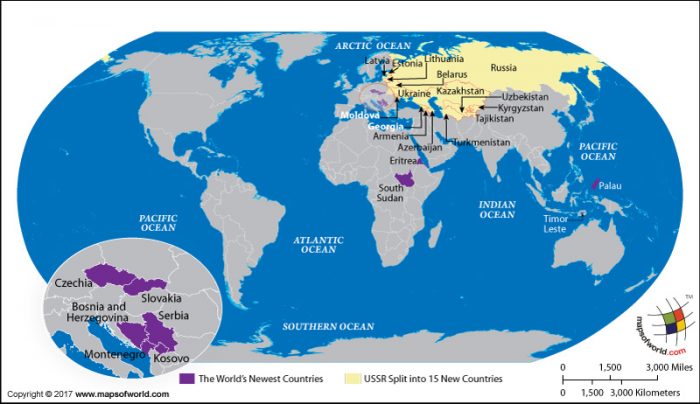
As our world continues to evolve, so too does its geopolitical landscape, marked by the emergence of new nations that reflect complex histories, struggles, and aspirations. This article delves into the top 10 newest countries in the world, illustrating the varied trajectories that have led to their independence and the unique circumstances surrounding their emergence. Whether inspired by the quest for self-determination, cultural autonomy, or political necessity, each of these nations tells a story of resilience and hope. Let’s embark on this enlightening exploration.
1. South Sudan (2011)
As the youngest nation in the world, South Sudan’s path to sovereignty was paved by decades of conflict and civil strife. Gaining independence from Sudan on July 9, 2011, through a landmark referendum, South Sudan’s aspiration for nationhood stemmed from ethnic, cultural, and economic disparities. Following its independence, the nation has faced significant challenges, including internal conflict and humanitarian crises, yet remains a vital symbol of the enduring human spirit for self-rule.
2. Kosovo (2008)
Proclaimed independent on February 17, 2008, Kosovo’s emergence from the shadow of the former Yugoslavia was marked by international contention over its legitimacy. The predominantly Albanian populace sought separation from Serbian governance following a tumultuous history of ethnic tensions and war in the late 1990s. Kosovo’s declaration has sparked a range of global responses, highlighting the complexities and geopolitical implications of statehood in this region of Southeast Europe.
3. Montenegro (2006)
With a historical legacy intertwined with its former union with Serbia, Montenegro voted for independence on May 21, 2006. The resulting autonomy was a culmination of national aspirations that resonated within Montenegrin culture and identity. Since its independence, the nation has sought to establish its presence within international organizations, exemplifying the importance of economic development and diplomatic recognition in the post-independence era.
4. Serbia (2006)
Following Montenegro’s vote for independence, Serbia too found itself navigating a new political landscape, reestablishing itself as a sovereign state on June 5, 2006. This transition was less about a quest for new identity and more about a reaffirmation of Serbian national sovereignty amidst changes in the Balkan region. Today, Serbia’s aspirations for European Union membership reflect its ongoing journey of reform and modernization.
5. Timor-Leste (2002)
Also known as East Timor, this nation gained its independence on May 20, 2002, after a protracted struggle against Indonesian occupation. The path to freedom was marked by significant international attention and assistance, particularly following the violent aftermath of the 1999 referendum for independence. Timor-Leste symbolizes the resilience of its people and the indispensable role of global advocacy in achieving self-determination.
6. Palau (1994)
Emerging from a long-standing United Nations trusteeship, Palau became a sovereign nation on October 1, 1994, via the Compact of Free Association with the United States. This compact not only granted Palau political independence but also economic support, enabling the nation to build its infrastructure and governance systems. Palau’s journey is emblematic of the delicate balance between self-governance and international partnerships.
7. Marshall Islands (1986)
Like Palau, the Marshall Islands achieved independence through the Compact of Free Association with the United States, officially gaining sovereignty on October 21, 1986. This pact facilitated economic assistance while maintaining a unique relationship with its former administrator. The challenges the Marshall Islands face today, such as climate change and economic sustainability, underscore the ongoing dialogues of identity and adaptation within the context of global issues.
8. Micronesia (1986)
Following a similar trajectory as its Pacific neighbors, the Federated States of Micronesia became an independent nation on November 3, 1986. The compact with the U.S. defined its foreign relations and defense, demonstrating how small island nations navigate their place in a globalized world. Micronesia’s rich cultural heritage and diverse ecosystems present unique opportunities and challenges for its governance and development.
9. Eritrea (1993)
After a protracted struggle for liberation from Ethiopia, Eritrea declared independence on May 24, 1993. The violent history before independence was marked by the scars of war; however, Eritrea’s nation-building journey has been fraught with hardship, including ongoing regional tensions. The narrative of Eritrea is a poignant reminder of the profound sacrifices intertwined with the pursuit of nationhood.
10. Czech Republic and Slovakia (1993)
The peaceful division of Czechoslovakia into two separate states—Czech Republic and Slovakia—on January 1, 1993, exemplifies a unique approach to self-determination. The so-called “Velvet Divorce” underscores how historical, cultural, and political nuances can harmonize to facilitate a non-violent transition to independence. Both nations have since carved unique paths in Europe, emphasizing the importance of dialogue and mutual respect in the resolution of national conflicts.
In conclusion, the emergence of new nations provides invaluable insights into the complex dynamics of identity, governance, and global relations. Each of these ten countries manifests a distinctive blend of history, struggle, and aspiration. Their stories are not merely about the act of declaring independence; they reflect the heart of humanity’s enduring quest for belonging, recognition, and opportunity. As the world continues to change, monitoring the journeys of these nations not only enhances our understanding of global citizenship but also enriches the dialogue about freedom and the shared human experience.
FAQ
What is the newest country in the world?
South Sudan, which gained independence in 2011, is currently the newest country in the world.
How do countries become independent?
Countries typically become independent through processes such as referendums, declarations of sovereignty, peaceful negotiations, or struggles for liberation from colonial or occupying powers.
What challenges do new countries face after independence?
New countries often face challenges including political instability, economic development, humanitarian crises, international recognition, and establishing governance structures.






Leave a Reply