
Short Answer
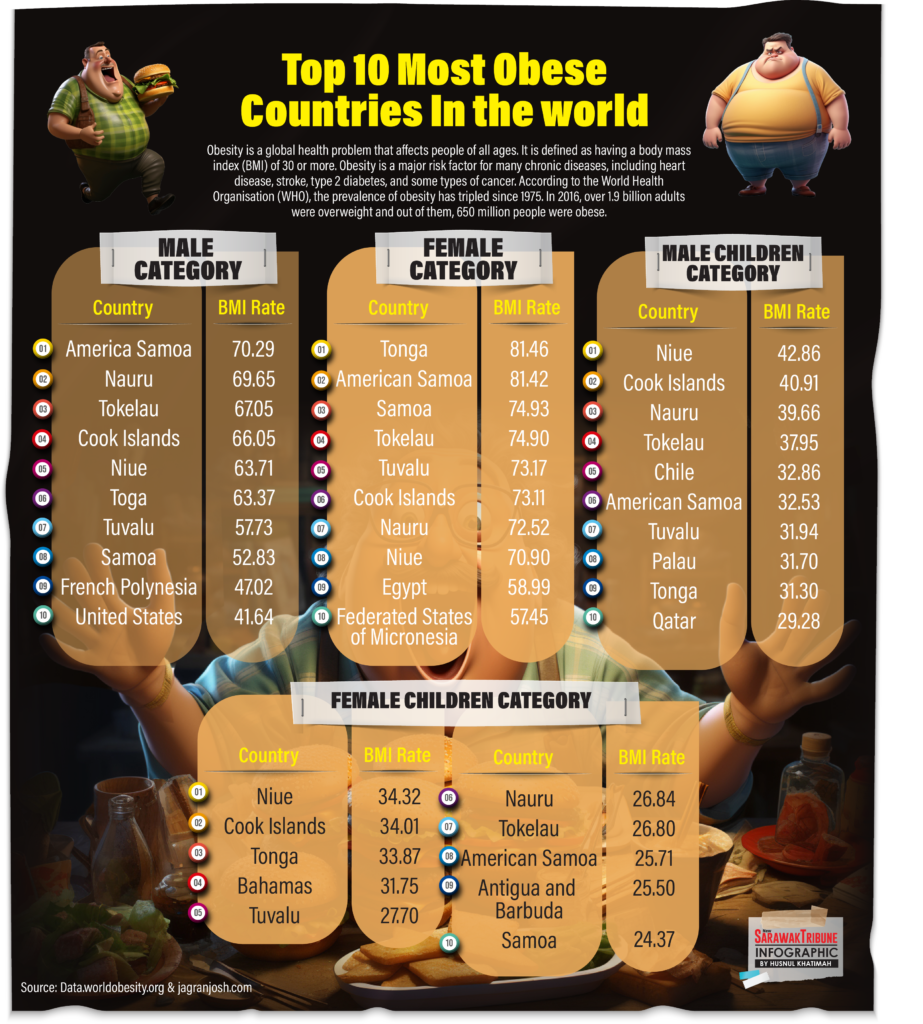
Obesity has become an alarming global issue over the years, but which countries are feeling the weight of this epidemic the most? With an escalating prevalence of overweight individuals, the ramifications of such a health crisis are staggering. Are you ready to embark on a shocking journey through the statistics of the world’s most obese nations? Not only will we unveil the list of the top ten, but we will also delve into the cultural and economic impacts of these figures. Let’s try to wrap our minds around this pressing matter. How many of these countries are you familiar with? Buckle up, as we challenge you to think critically about the hidden aspects of obesity while we navigate through this list!
10. Brazil (26.8% Obese Population)
Nestled in the heart of South America, Brazil is renowned for its vibrant culture and festivities. However, the Brazilian population grapples with notable overweight challenges. With a staggering 26.8% of adults classified as obese, the country faces dilemmas rooted in dietary changes influenced by globalization. The penchant for processed foods, sugary beverages, and fast food environments has contributed significantly to the mounting obesity crisis. The struggle for balance between tradition and modern dietary habits continues, posing a unique challenge for Brazil.
9. Egypt (27.8% Obese Population)
Moving forward to North Africa, we encounter Egypt, a nation rich in ancient history yet now fraught with modern health issues. A significant 27.8% of its population faces obesity, primarily due to rapid urbanization, which has altered traditional eating patterns. Traditional Egyptian cuisine, once filled with wholesome grains and fresh vegetables, now battles with the rising appeal of fast food. The consequences ripple through the healthcare system, presenting a relentless conundrum for the people of Egypt.
8. United States (36.2% Obese Population)
It would be remiss not to mention the United States, a country known for its significantly high obesity rates of 36.2%. The roots of this epidemic lie deep within the culture, where the “supersize” mentality has transformed dining habits. The intersection of convenience, accessibility to calorie-dense foods, and sedentary lifestyles creates an ideal breeding ground for obesity. Health initiatives are underway, but the journey toward a healthier populace is arduous, underscoring the complexities of American dietary culture.
7. Saudi Arabia (35.4% Obese Population)
In the Middle East, Saudi Arabia finds itself amidst an obesity crisis as 35.4% of its population battles excess weight. Coupled with rapid economic growth and an increased availability of high-calorie foods, the sedentary lifestyle common in urban settings exacerbates the problem. The cultural importance of hospitality, often expressed through lavish feasts, further complicates the fight against obesity. How does one navigate tradition while cultivating healthier habits? It’s a delicate balance that the Saudis must confront.
6. Mexico (28.9% Obese Population)
As we journey further into North America, Mexico presents itself with a daunting obesity rate of 28.9%. Notably, the influx of unhealthy snacks, sugary drinks, and fast-food chains have heavily influenced dietary choices. This lifestyle change, paired with socioeconomic factors, creates a double whammy of challenges. Mexico’s rich culinary heritage could serve as a powerful foundation for healthier eating—can the nation reclaim its culinary identity for the sake of public health?
5. New Zealand (30.8% Obese Population)
Down under, New Zealand showcases a troubling 30.8% obesity rate. Influenced by Western dietary patterns and rapid urbanization, Kiwis are facing escalating health challenges. The exquisite nature of New Zealand offers a respite, yet the temptations of modern eating habits persist. Initiatives aiming to promote local produce and traditional cooking are vital in combating the crisis. As they strive to reconnect with their roots, can New Zealand find the path to a healthier future?
4. Kuwait (37.9% Obese Population)
With startling obesity levels at 37.9%, Kuwait is a front-runner in the quest for attention. The oil-rich country faces a paradox – affluence alongside an increasing prevalence of obesity. Modern conveniences and a penchant for luxurious dining options lead to higher caloric intake without adequate physical activity. Additionally, the national dialogue around health must evolve to address the cultural attitudes toward weight and well-being. Will Kuwait rise to meet this challenge and reclaim healthier populations?
3. Qatar (37.4% Obese Population)
Jumping into the Gulf region, we observe Qatar with a staggering obesity rate of 37.4%. Like Kuwait, this nation’s wealth has not translated into wellness. The modernity that defines Qatar has resulted in a lifestyle favoring inactivity and unhealthy eating practices. While initiatives to promote healthier living are in motion, the cultural allure of lavish feasts and fast foods remains a formidable obstacle. Could Qatar’s rich culture inspire a return to simpler, healthier lifestyles?
2. Nauru (61.6% Obese Population)
Surprisingly high in the rankings is Nauru, a small island nation reporting an astonishing 61.6% obesity rate. The historical context of nutritional transitions plays a pivotal role in this statistic, where the introduction of processed foods significantly altered traditional diets. Limited resources and geographical isolation compound the crisis, presenting overwhelming challenges to the nation’s health. How can such a small population tackle an issue of this magnitude?
1. Cook Islands (55.9% Obese Population)
First on the list, the Cook Islands command our attention with an eye-watering obesity rate of 55.9%. Similar to Nauru, this remote paradise is caught in the snare of modernity versus tradition. The introduction of global food choices has detracted from the islands’ dietary heritage, where fresh fish and tropical fruits once reigned supreme. As the population grapples with this alarming trend, the question remains: can the Cook Islands rediscover their nutritional roots while embracing contemporary influences?
As we conclude this exploration of the most obese nations globally, it becomes clear that obesity is not merely a personal issue but rather a multifaceted challenge shaped by culture, economy, and environment. While the statistics may shock, they also call for action and reflection. Each country stands at a crossroads, whether to adhere to modern conveniences or to revisit age-old traditions that once promoted health. What are your thoughts? Can we shift the conversation around obesity to inspire change and better well-being experiences for everyone?
FAQ
What factors contribute to high obesity rates in these countries?
Factors include dietary changes influenced by globalization, urbanization, increased availability of processed and fast foods, sedentary lifestyles, and cultural habits related to food consumption.
Which country has the highest obesity rate according to the article?
Nauru has the highest obesity rate at 61.6% of its adult population.
How does culture impact obesity rates in these countries?
Cultural factors such as traditional feasts, hospitality practices, and shifts from traditional diets to modern processed foods significantly influence obesity rates.
Are there any initiatives mentioned to combat obesity in these countries?
Yes, some countries like the United States, New Zealand, and Qatar have initiatives promoting healthier eating habits, local produce, and public health awareness, though challenges remain.





Leave a Reply