
Short Answer
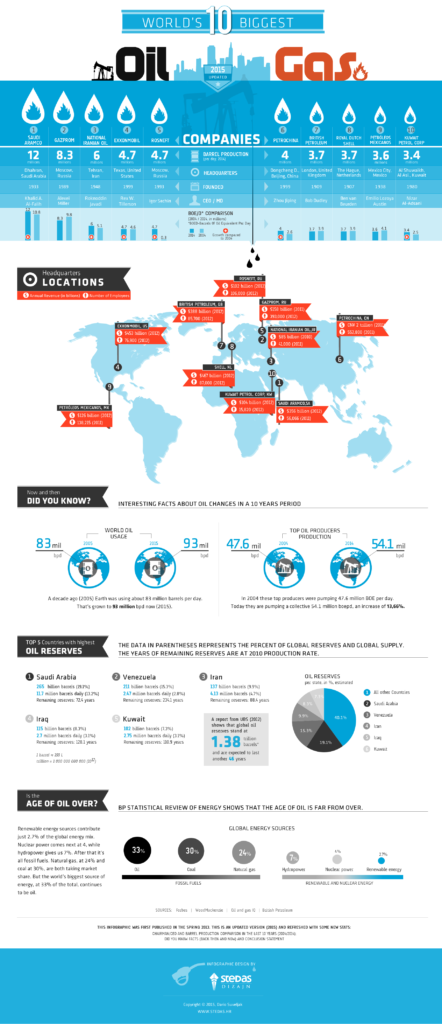
The oil and gas industry forms the backbone of the global economy, providing the energy that fuels growth, drives innovation, and powers our daily lives. Yet, the landscape is dynamic and constantly evolving, creating a captivating narrative around the companies at the forefront of this sector. From colossal supermajors to influential national oil companies, the following list reveals the top 10 biggest oil and gas enterprises in the world, shedding light on their extensive operations, market influence, and future prospects.
1. Saudi Aramco
As the reigning titan in the oil and gas realm, Saudi Aramco stands unrivaled with its astonishing production capacity. Based in Dhahran, Saudi Arabia, this state-owned behemoth not only holds the world’s largest proven oil reserves but also boasts the highest daily crude oil production. Its operational prowess transcends mere extraction; Saudi Aramco is a full-spectrum energy company engaged in refining, petrochemicals, and renewable energy initiatives. As the world pivots toward sustainable practices, Aramco is strategically investing in cleaner technologies, ensuring its legacy while adapting to a changing energy landscape.
2. ExxonMobil
ExxonMobil is an emblem of strength and longevity in the oil and gas industry. Headquartered in Irving, Texas, this American multinational boasts vast operations that span from exploration to refining and marketing. With a diversified portfolio that includes significant natural gas resources along with oil, ExxonMobil continues to innovate within its research and development divisions, focusing on cleaner energy solutions and cutting-edge carbon capture technologies. The company’s strategic positioning and unwavering commitment to sustainability are pivotal as the global energy narrative shifts.
3. Gazprom
Gazprom, Russia’s state-run energy giant, embodies the intricate relationship between energy resources and geopolitical dynamics. With an extensive pipeline network, the company dominates the natural gas sector, serving as a critical supplier to Europe. Gazprom’s integrated model encompasses exploration, production, transportation, and marketing, positioning it as a linchpin in the global energy economy. As the demand for natural gas surges in light of transitioning energy policies, Gazprom’s role is more relevant than ever in the discourse surrounding energy security.
4. Royal Dutch Shell
Royal Dutch Shell, a leading player in the oil and gas industry, demonstrates a robust commitment to sustainability alongside its operations in fossil fuels. Headquartered in The Hague, the company has a diverse portfolio that encompasses oil production, liquefied natural gas (LNG), and renewable energy ventures. Shell’s proactive stance on transitioning towards a lower-carbon future is evident through its ambitious investment in green technologies. As consumers become increasingly eco-conscious, Shell’s adaptability may well determine its continued success in the industry.
5. BP
Once known primarily for its oil explorations, BP – or British Petroleum – has redefined its corporate identity to embrace a greener future. Headquartered in London, BP is embarking on a transformative journey to reduce its carbon footprint and diversify its energy portfolio. With investments in renewables, including wind and solar, BP is not just focusing on its core oil and gas operations but also leading the charge into an era characterized by sustainable energy practices. This pivot could catapult BP into a new echelon of influence as the energy paradigm shifts.
6. Chevron
Chevron, an American corporation with deep roots in the oil industry, operates in over 180 countries, exploring and producing oil and natural gas. Its robust upstream and downstream operations are complemented by a keen focus on innovative technologies designed to enhance efficiency and reduce environmental impact. Chevron’s commitment to a balanced energy portfolio that includes renewable resources indicates an understanding of the inevitable transition facing the industry. This strategic foresight positions Chevron favorably in an evolving economic landscape.
7. TotalEnergies
Originally known simply as Total, TotalEnergies has embraced a comprehensive approach to energy, expanding its scope to include renewables and electricity generation. Based in Paris, France, the company has established itself as a proactive participant in the transition towards sustainable energy sources. By leveraging its technological expertise and investing in clean energy innovations, TotalEnergies exemplifies how traditional oil and gas companies can adapt to environmental imperatives while continuing to thrive in the marketplace.
8. Rosneft
Administered by the Russian government, Rosneft is one of the world’s largest publicly traded oil companies. With a massive output capacity and extensive exploration initiatives within Russian territories, Rosneft commands significant influence over global oil supply chains. The company’s investment strategies often reflect the innate geopolitical complexities of energy sourcing and distribution, making it a fascinating player in the global energy stage as nations grapple with energy independence and sustainability.
9. Eni
Founded in Italy, Eni is an integrated energy company that embodies a commitment to innovation within the oil and gas sector. Its operations span exploration, production, refining, and marketing, curating a diverse and resilient business model. Eni’s recent focus on enhancing its renewable energy initiatives speaks volumes about its recognition of the shifting dynamics in global energy demands. The company’s dedication to research and development signals a forward-thinking approach as Eni navigates the complexities of modern energy needs.
10. PetroChina
As one of the foremost oil and gas producers in Asia, PetroChina epitomizes China’s rapidly expanding energy landscape. The company is integral to China’s energy strategy, driving exploration and production both domestically and internationally. With concerted efforts toward environmental responsibility, PetroChina is investing in alternative energy sources, ensuring it aligns with global trends towards sustainability. The juxtaposition of rapid industrial growth with environmental accountability forms a unique narrative surrounding PetroChina’s future trajectory.
As the world continues to grapple with the complexities of energy consumption and environmental stewardship, these ten companies represent more than just economic powerhouses; they are key players in leading the global transition towards a sustainable energy future. Watching their evolution will not only intrigue industry professionals but also anyone invested in the unfolding story of our planet’s energy landscape.
FAQ
What criteria determine the size ranking of oil and gas companies?
The ranking is typically based on factors such as production capacity, proven oil reserves, revenue, and market influence.
How are these companies adapting to the shift towards renewable energy?
Many of these companies are investing in renewable energy projects, carbon capture technologies, and diversifying their portfolios to include cleaner energy sources.
Why are state-owned companies prominent in the oil and gas sector?
State-owned companies often control large reserves and have strategic importance for national energy security, giving them significant market influence.






Leave a Reply