
Short Answer
Throughout the annals of history, wealth has often equated with power, influence, and the capacity to instigate monumental change. Yet, the drama of affluence is not merely a tale of fiscal triumphs; it encompasses the entire spectrum of humanity, ambition, and the societal fabric in which these titans of wealth found themselves. To delve into the lives of the richest men in history is to embark upon a journey rich with intrigue, a tapestry interwoven with innovation, exploitation, and legacy. Here, we unveil ten individuals whose fortunes have shaped not just their destinies, but the very world we inhabit.
1. Mansa Musa (c. 1280-1337)
The enigmatic ruler of the Mali Empire, Mansa Musa amassed an incredible fortune primarily through the abundant resources of gold and salt in his empire. His pilgrimage to Mecca in 1324 stunned the world, as he distributed gold lavishly, so much so that he inadvertently devalued it in regions he traversed. Musa’s reign is emblematic of opulence, and he set forth a legacy of education and architectural grandeur, most notably the famed Sankore University in Timbuktu.
2. John D. Rockefeller (1839-1937)
As the quintessential mogul of the American oil industry, John D. Rockefeller revolutionized the business landscape through his establishment of Standard Oil. His prosperity, estimated at around $400 billion in today’s currency, was fueled by monopolistic practices that ultimately led to antitrust laws. Beyond mere wealth, Rockefeller encapsulated the spirit of philanthropy, endowing numerous institutions and leaving an indelible mark on American society.
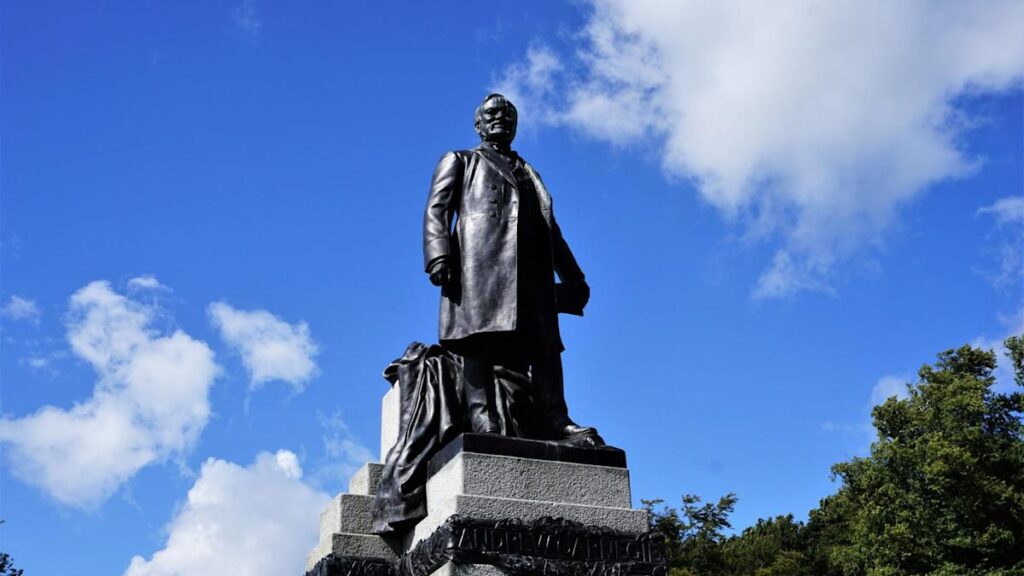
3. Andrew Carnegie (1835-1919)
A titan of the steel industry, Carnegie epitomized the American Dream, rising from humble beginnings to amass a fortune exceeding $310 billion today. His strategic practices and innovations in the steel production process laid the groundwork for America’s industrial prowess. Notably, Carnegie’s shift to philanthropy in his later years emphasized his belief that the affluent should steward their wealth for societal betterment, fostering institutions such as libraries and educational facilities worldwide.
4. Augustus Caesar (63 BC – AD 14)
The first Roman emperor, Augustus Caesar, wielded extraordinary power and influence over an empire that spanned continents. His reign not only enriched the Roman treasury but also transformed the societal infrastructure of Rome. While precise figures of his wealth are speculative, it is known that he had vast estates and controlled resources that in modern terms could surpass hundreds of billions. Augustus’ legacy was marked by cultural flourishing, often referred to as the Pax Romana, a period of relative peace and prosperity that contributed to the stability of the empire.
5. Joseph Stalin (1878-1953)
Though often overlooked in discussions of wealth, the Soviet leader Joseph Stalin amassed substantial power, which translated into economic and ideological command that rivaled traditional notions of wealth. His control over the Soviet Union’s resources was immense, and limitless in scope, effectively giving him dominion over the lives and fortunes of millions. Through ruthless policies and state control of industry, Stalin’s wealth lay in his unassailable grip on the state and its assets.
6. Akbar I (1542-1605)
One of the greatest rulers of the Mughal Empire, Akbar I structured a wealth model based not only on material riches but also on cultural prosperity. His reign was marked by significant economic growth, stemming from an extensive taxation system and a flourishing trade network. With influence that extended across much of the subcontinent, Akbar’s legacy lies in a harmonization of diverse cultures, exemplified by his establishment of the Din-i Ilahi, a syncretic religion promoting unity.
7. Cornelius Vanderbilt (1794-1877)
A formidable force in the United States, Cornelius Vanderbilt converted his shipping empire into a monumental railroad enterprise, generating immense wealth—approximately $185 billion when adjusted for inflation. His innovative practices in transportation reshaped the American economy, knitting together states and facilitating commerce on an unprecedented scale. Vanderbilt’s name remains synonymous with industrious ingenuity and transformative impact on infrastructure.
8. John Jacob Astor (1763-1848)
Astor, a pioneer of the American fur trade and later a real estate mogul, was among the first multi-millionaires in the United States. His fortune, estimated at around $120 billion today, arose from resourcefulness and strategic investments. Astor’s significant influence in New York’s real estate boom contributed to the urban landscape we recognize today, leaving a lasting legacy through monumental developments and philanthropy.
9. Henry Ford (1863-1947)
Renowned for revolutionizing the automobile industry and introducing assembly line production, Henry Ford transcended conventional business practices. His wealth, which peaked around $200 billion, was closely tied to his vision of making automobiles accessible to the average American. Ford’s labor policies and innovative technologies catalyzed the growth of the middle class, intertwining wealth and social change.
10. Genghis Khan (c. 1162-1227)
Perhaps the most formidable conqueror in history, Genghis Khan’s wealth was not monetary in the way we conceive it today but resided within his expansive empire, which spanned vast territories across Asia and Europe. His life symbolizes the dynamics of power, where riches were derived from conquest, tribute, and control over lucrative trade routes. His legacy, akin to a double-edged sword, reshaped nations and cultures.
In conclusion, the narratives of the richest men in history transcend mere accumulation of wealth; they illuminate the intricate interplay of socio-economic forces, personal ambition, and cultural transformations. These formidable figures—each with their unique paradoxes—have bequeathed legacies that persistently reverberate through time. Wealth, in their context, was not merely an end in itself but a means of redefining the world order, shaping destinies, and ultimately posing provocative questions about the nature of prosperity and its implications.
FAQ
Who was the wealthiest man in history?
Mansa Musa is widely regarded as the wealthiest man in history due to his immense gold reserves and control over the Mali Empire's resources.
How is historical wealth estimated for figures like Augustus Caesar?
Historical wealth is estimated based on control of land, resources, and influence; exact monetary conversions are speculative.
What legacy did Andrew Carnegie leave besides wealth?
Carnegie was a major philanthropist, funding libraries and educational institutions worldwide.
Why is John D. Rockefeller important in economic history?
Rockefeller transformed the oil industry and set precedents in business and philanthropy.



Leave a Reply