
Short Answer
The natural world is replete with fascinating creatures, each equipped with their own unique adaptations for survival. Among these quirks of nature, venomous animals stand out, captivating the human imagination with their lethal capabilities. This article explores the ten most venomous animals on the planet, unveiling the intricacies of their venom systems, methods of envenomation, and ecological significance.
1. Box Jellyfish (Chironex fleckeri)
Residing in the warm coastal waters of the Pacific and Indian Oceans, the box jellyfish is notorious for its potent venom, which is primarily used for capturing prey. This gelatinous creature possesses tentacles adorned with thousands of cnidocytes—cells that contain nematocysts, which, upon contact, deliver a paralyzing and excruciatingly painful sting. The venom attacks the heart, nervous system, and skin cells, leading to cardiac arrest in severe cases. Survivors often contend with lingering pain and skin damage, revealing the jellyfish’s ferocity even after the encounter has ended.
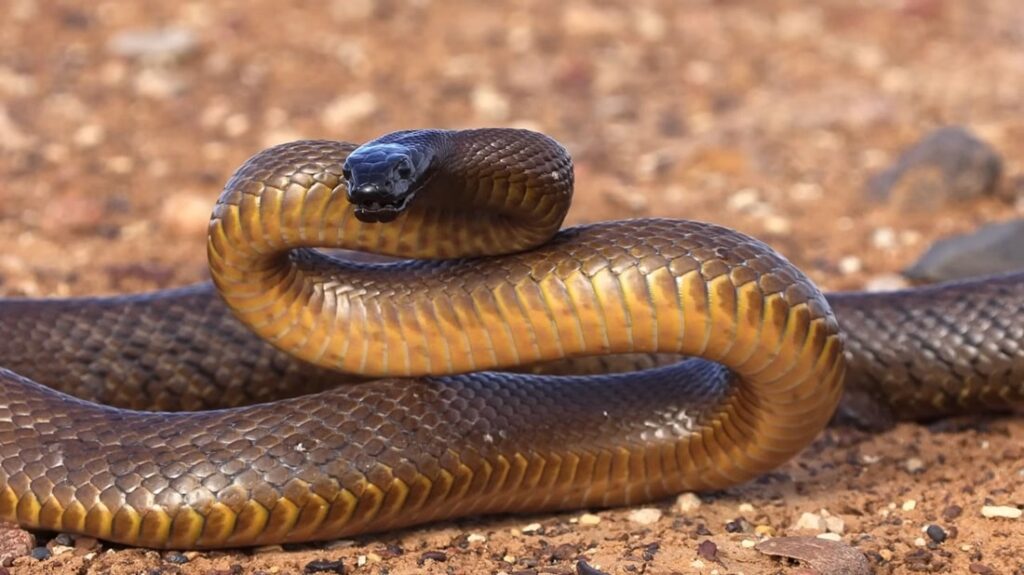
2. Inland Taipan (Oxyuranus microlepidotus)
Commonly referred to as the “fierce snake,” the inland taipan’s venom is considered the most toxic of any land snake. Found in the arid regions of Australia, this reclusive serpent possesses a highly efficient venom that impairs blood clotting and induces rapid paralysis. A mere milligram of its venom is capable of killing multiple adult humans within an hour if left untreated. Remarkably, the inland taipan is shy and rarely confrontational, highlighting an ironic juxtaposition between its lethal capabilities and its temperament.
3. Cone Snail (Conus spp.)
In the realm of marine biology, cone snails represent a paradox of beauty and danger. These conical mollusks boast intricate shells adorned with stunning patterns, yet hidden within lies a complex venom apparatus. They utilize harpoon-like structures to deliver venoms that can immobilize fish and other prey almost instantaneously. Some species, such as the geographic cone snail, possess venom potent enough to kill a human, leading to a slow, agonizing death. Their predatory prowess is not only a marvel of nature but also a reminder of the respect accorded to the ocean’s inhabitants.
4. Stonefish (Synanceia spp.)
The stonefish, arguably the most venomous fish, camouflages itself among rocks and coral, waiting to ambush unsuspecting prey. Equipped with dorsal spines that inject venom upon contact, a sting from a stonefish can cause excruciating pain, swelling, and, in extreme cases, death due to respiratory failure. Its venom is a potent cocktail of neurotoxins, and survivors often experience a range of debilitating symptoms long after the initial event. The stonefish serves as a harbinger of caution for divers and marine enthusiasts alike.
5. Blue-Ringed Octopus (Hapalochlaena spp.)
This small yet extraordinarily venomous cephalopod is easily identifiable by its striking blue rings that pulsate in warning when threatened. Found in tide pools and coral reefs throughout the Pacific and Indian oceans, the blue-ringed octopus harbors a potent neurotoxin called tetrodotoxin, responsible for paralyzing muscle functions in its victims. Despite its intimidating weaponry, the creature tends to be docile, only delivering a bite in self-defense. Sadly, there is no known antidote for its venom, making encounters potentially fatal.
6. Pufferfish (Tetraodontidae family)
Renowned for its unique ability to inflate when threatened, the pufferfish has evolved to contain tetrodotoxin, a highly lethal substance found in its tissues and organs. Many Japanese chefs take the risk of serving fugu, a delicacy prepared from pufferfish, yet the preparation requires meticulous skill to avoid exposure to the venom, as even a minuscule amount can be fatal. The pufferfish’s venom acts on sodium channels in the nervous system, provoking paralysis and potentially stopping the heart. This delicate balance between culinary art and the threat of poisoning encapsulates the enigmatic pufferfish.
7. Brazilian Wanderer Spider (Phoneutria spp.)
Hailing from the jungles of South America, the Brazilian wanderer spider is often cited as one of the world’s most venomous spiders. Its neurotoxic venom is designed to immobilize small prey quickly, yet it has a fearsome reputation for its defensive behavior towards humans. A bite from this arachnid can result in intense pain, systemic inflammation, difficulty breathing, and in rare cases, death. Remarkably, the spider offers a unique antidote in the form of its venom, being studied for potential therapeutic uses.
8. King Cobra (Ophiophagus hannah)
This apex predator of the snake world commands respect with its intimidating stature and potent venom. The king cobra’s neurotoxic venom is capable of paralyzing its prey, delivering a formidable lethal blow with a single bite. Found mostly in forests and grasslands throughout Southeast Asia, this serpent is known for its size, length, and distinctive behavior. The king cobra’s defensive display includes an erect stance and hood expansion; a reminder of its lethal nature to potential threats. Unlike its more reclusive relatives, the king cobra confidently roams its habitat, embodying a prehistoric power.
9. Inland Taipan (Oxyuranus microlepidotus)
To avoid redundancy, it is essential to acknowledge the remarkable evolutionary traits of the inland taipan. Distinct for its highly venomous nature and elusive behavior, the snake’s venom specifically targets the cardiovascular system, resulting in rapid onset of symptoms. Although largely confined to remote regions, its existence poses a unique question of how such deadliness affects the ecosystems they inhabit.
10. Yellow Sac Spider (Cheiracanthium spp.)
This small, unassuming spider is recognized for its potent yet often overlooked venom, which can provoke severe localized pain and systemic reactions in humans. Found across a variety of habitats worldwide, the yellow sac spider resorts to venomous defense only when provoked. Its adaptive strategies raise intriguing questions regarding the roles of less-recognized venomous species in the tapestry of the food web.
In conclusion, the diversity of venomous animals showcases the myriad ways nature has equipped organisms with unique survival strategies. From the vast oceans to the dense forests, each of these formidable creatures plays a crucial role in their ecosystems, demonstrating both the beauty and danger inherent in the animal kingdom. Respect and caution are paramount, as understanding these creatures enhances our appreciation of the delicate balance within nature. The rich tapestry of life includes an array of wonders that remind us of the hidden intricacies that lie beneath the surface, fostering a deeper connection to the natural world around us.
FAQ
What is the difference between venomous and poisonous animals?
Venomous animals inject venom through bites or stings, while poisonous animals release toxins when touched or eaten.
Which animal has the most potent venom?
The inland taipan snake is considered to have the most toxic venom of any land snake.
Are venomous animals always aggressive?
No, many venomous animals, such as the inland taipan and blue-ringed octopus, are typically shy and only use venom defensively.
Is there an antidote for all venomous animal bites?
No, some venomous animals like the blue-ringed octopus currently have no known antidote.





Leave a Reply