
Short Answer
There exists an unspoken bond between humanity and the machines we create. Cars have not only become a mode of transport but also a symbol of status, engineering prowess, and even lifestyle. However, within the pantheon of automotive history, some vehicles have garnered notoriety not for their engineering brilliance, but for their dismal reliability. These cars fit into our collective memory as cautionary tales, cautioning future generations as they cruise down the highway to rely not just on aesthetics or hype, but on the mechanics beneath the hood. Here lies a list of the top ten most unreliable cars ever manufactured—a tribute to the machines that led us on countless odysseys of frustration, bewilderment, and couch-bound contemplation.
1. Chevrolet Vega
Introduced in the early 1970s, the Chevrolet Vega was heralded as a compact marvel. However, the reality soon sank in; owners soon found that its famously rust-prone body and a plethora of engine problems made it a clapped-out shadow of its initial promise. The Vega’s aluminum engine also suffered from excessive wear and tear, leading many to question the engineering prowess behind this allegedly innovative vehicle.
2. Ford Pinto
The Ford Pinto is perhaps the quintessential example of automotive failure, not just in mechanics but also in corporate ethics. Its design flaws led to a series of dangerously combustible incidents, particularly during rear-end collisions. The Pinto was a mirror reflecting the tragic intersection of cost-cutting and safety negligence—firmly etching its name into the annals of unreliable automobiles.
3. Yugo GV
The Yugo GV, a tiny car born from Yugoslavia, gained notoriety during its brief stint in the United States. Billed as an affordable option, it quickly revealed itself to be a precarious puzzle of assembly defects and mechanical failings. From its questionable wiring to its soggy suspension, the Yugo became a punchline rather than a prized possession—an automotive relic that left hopeful owners sorely disappointed.
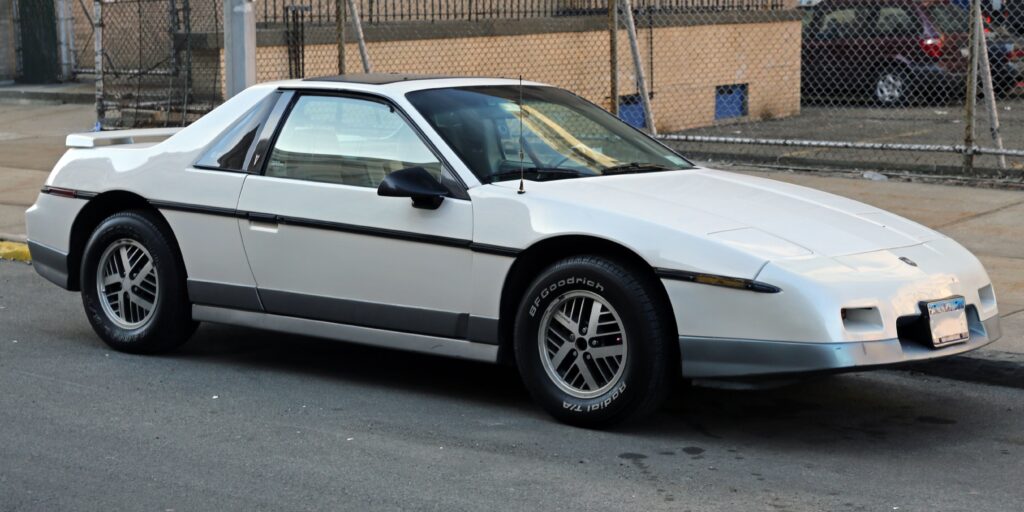
4. Pontiac Fiero
A car that entered the market promising a sporty experience quickly turned soured for Pontiac Fiero owners. This mid-engine marvel was plagued with issues ranging from headlights that refused to function to engine fires. The excitement of its unique design was often overshadowed by the cost and frequency of repairs—a swan song that left enthusiasts yearning for something more reliable.
5. Chrysler LeBaron
Often remembered as a stylish cruiser, the Chrysler LeBaron’s aesthetics belied its myriad of mechanical shortcomings. Common problems included electrical issues and transmission glitches that rendered these vehicles unreliable. What’s striking, however, is the allure of nostalgia that still lingers. Many owners reminisce about the LeBaron’s sleek looks, even as they curse its frequent trips to the mechanic.
6. Volkswagen Beetle (Type 1)
The original VW Beetle is hailed as an icon of automotive design, yet its rear-engine layout led to notorious reliability issues. While beloved for its charm, the Beetle often faltered in performance, with electrical problems and susceptibility to rust becoming common lamentations among owners. This paradox of adorability mixed with mechanical incorrigibility sparks fascination: it’s a car that refuses to be forgotten.
7. Land Rover Discovery II
A marvel of British engineering, the Land Rover Discovery II certainly carved out a niche in the off-road arena. However, it is also infamous for its less-than-stellar reliability record, plagued by leaks, electrical gremlins, and complicated suspension systems. Much like a stubborn stallion, the Discovery’s charisma often proved more potent than its capabilities, leading many to endure the trials of ownership for the sake of adventure.
8. Audi A8 (1997-1999)
Packed with luxury features that promised a sublime driving experience, the Audi A8 veered into reliability quagmire. Electrical failures and engine troubles haunted many models, causing owners to consider buyer’s remorse despite the car’s plush interiors. The juxtaposition of luxury and vulnerability elevates the A8 into an intriguing case study of how high aspirations can sometimes lead to dreadful realities.
9. Dodge Caliber
When introduced, the Dodge Caliber aimed to capture the compact hatchback market with bravado. Yet, the reality was decidedly different: consumers were inundated with reports of poor engine performance and horrendous gas mileage. Despite attempts at versatility, the Caliber rapidly descended into the realm of forgettable automotive options, largely eclipsed by better-performing competitors.
10. Subaru Tribeca
The Subaru Tribeca aspired to combine family-friendly utility with rugged charm, yet soon became notorious for its underwhelming engine options and engine-related troubles. This ironic turn of events highlights how intention and execution can diverge dramatically in the automotive world. Owners learned that sometimes practicality and excitement don’t easily coexist in the same vehicle.
In examining these ten vehicles, we unearth a deeper fascination with the interdependence of design, marketing, and manufacturing. These cars became a mirror reflecting broader themes of consumer trust, corporate integrity, and the relentless pursuit of performance. Their notorious statuses serve as reminders that in the world of automobiles, reliability should be king, and those who forget this can find themselves stranded on the side of the road, pondering what went wrong.
FAQ
What are some examples of unreliable cars?
Examples include the Chevrolet Vega, Ford Pinto, Yugo GV, Pontiac Fiero, and Chrysler LeBaron, all known for various mechanical and design flaws.
Why is the Ford Pinto considered unreliable?
The Ford Pinto had a dangerous design flaw where its fuel tank could rupture and cause fires in rear-end collisions.
What factors contribute to a car’s unreliability?
Poor engineering, substandard materials, inadequate testing, and manufacturing defects often contribute to unreliability.





Leave a Reply